
Kangen (Japanese era, 1243–1247)
Kangen (寛元) was a Japanese era name from February 1243 to February 1247 during the Kamakura period, under Emperor Go‑Saga. It marks a span of court and shogunal activity in mid‑13th century Japan.
Kangen (寛元) is a Japanese era name (nengō) that extended from February 1243 through February 1247. The era began during the reign of Emperor Go‑Saga (後嵯峨天皇) and succeeded the Ninji era. Era names such as Kangen were used to label years in official court records and chronologies.
Image gallery
2 Images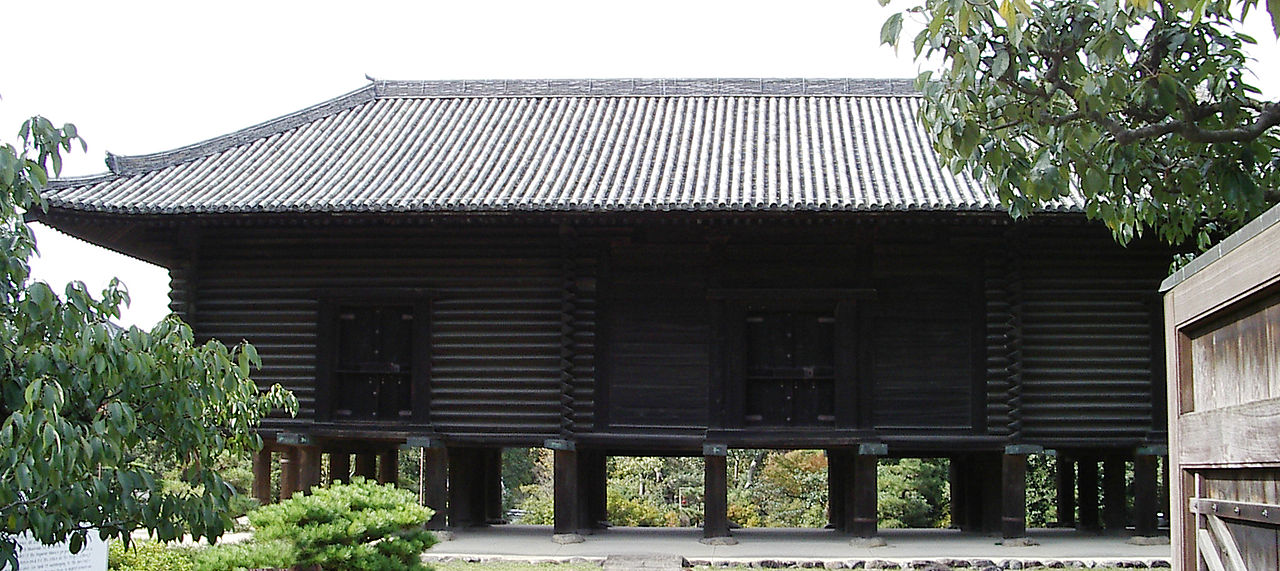

Meaning and designation
The characters 寛元 are read as "Kangen." The nengō system assigns short era names composed of kanji that often carry auspicious meanings; the characters here combine ideas of breadth or tolerance with origin or beginning. Era changes could be proclaimed for a variety of reasons, including auspicious omens, natural disasters, or political considerations.
Historical context
Kangen falls within the Kamakura period, a time when political power was shared and often contested between the imperial court in Kyoto and the military government (bakufu) based in Kamakura. While the emperor remained the symbolic center of court ritual and succession, much of day‑to‑day political authority rested with shogunal institutions and their regents.
Activities and significance
Documentation for short eras like Kangen typically records court ceremonies, rank appointments, land grants, and legal or administrative decisions. Although no single, widely famous event defines the Kangen years for general audiences, the era is part of the mid‑13th century pattern of alternating court initiatives and shogunal governance that shaped medieval Japan.
Related eras and chronology
- Preceded by the Ninji era: Ninji.
- Succeeded by the Hōji era: Hōji.
- For general information on the era‑naming system see Japanese era names (nengō).
Related articles
Author
AlegsaOnline.com Kangen (Japanese era, 1243–1247) Leandro Alegsa
URL: https://en.alegsaonline.com/art/52106
Sources
- books.google.com : "Kangen"
- books.google.com : Annales des empereurs du Japon, pp. 245-247
- books.google.com : pp. 247
- kunaicho.go.jp : Ceremony of Accession (Sokui-no-Rei)