
Kangi (Japanese era, 1229–1232)
Kangi (寛喜, also romanized Kanki) was a Japanese era name from March 1229 to April 1232 during the reign of Emperor Go-Horikawa in the early Kamakura period.
Overview
Kangi (寛喜), sometimes romanized as Kanki, is the Japanese era name (nengō) that began in March 1229 and ended in April 1232. It followed the Antei era and preceded the Jōei era. The imperial sovereign during Kangi was Emperor Go-Horikawa. Era names like Kangi were used in official documents and chronicles to mark and order years.
Image gallery
2 Images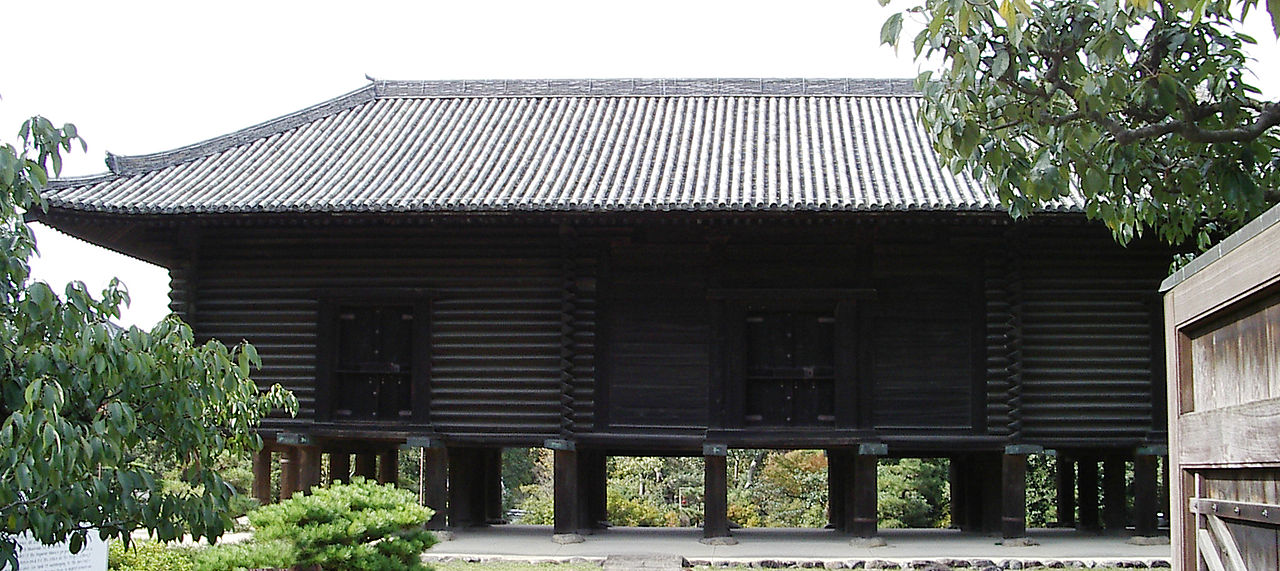

Name and meaning
The two kanji characters 寛 (kan) and 喜 (gi or ki) carry senses of breadth or lenience and of joy or rejoicing, respectively. As with many era names, the characters were chosen to convey auspicious or stabilizing connotations, a ritualized practice in Japan's court culture of the time. For background on the system that produces names such as Kangi, see nengō (era names).
Historical context
Kangi falls within the early Kamakura period, when political power increasingly rested with the shogunate and its regents rather than with the court in Kyoto. The emperor remained an important symbolic and ritual figure, but real authority was exercised by the military government. The era change to Kangi succeeded the Antei era (Antei) and was followed by the Jōei era (Jōei), reflecting the court's practice of periodically declaring a new nengō.
Uses and significance
Era names served practical as well as ceremonial functions: they appear on official records, legal documents, temple inscriptions, and dated works of art or literature. Kangi is therefore a useful chronological label for historians studying early 13th-century events, administration, and cultural production. The brevity of many eras in this period reflects the era-naming custom rather than sudden political rupture.
Notable facts and distinctions
- Kangi is a short era of roughly three years and a month, beginning in spring 1229 and concluding in spring 1232.
- The era belongs to a sequence of short-named periods characteristic of the Kamakura court's era-naming rhythm.
- Research into documents dated to Kangi can illuminate court ritual, temple patronage, and the relationship between the imperial household and the shogunate during Emperor Go-Horikawa's reign.
For concise lists and chronological tables that place Kangi within broader timelines, consult standard references on Japanese era names and Kamakura-period chronology; see also the linked entries above for adjacent eras.
Related articles
Author
AlegsaOnline.com Kangi (Japanese era, 1229–1232) Leandro Alegsa
URL: https://en.alegsaonline.com/art/52107
Sources
- books.google.com : "Kanki"
- books.google.com : Annales des empereurs du Japon, pp. 238-241
- books.google.com : p. 241.
- kunaicho.go.jp : 土御門天皇 (83)