
Kamakura, Kanagawa: history, landmarks, and modern character
Kamakura is a coastal city in Kanagawa Prefecture, Japan, noted for its medieval shogunate, historic temples and shrines, and its seaside and mountainous setting near Tokyo.
Kamakura is a coastal city in Kanagawa Prefecture in central Japan, located roughly 50 kilometres south of Tokyo. It developed as a political and military centre in the late 12th century and later became the seat of the Kamakura shogunate. Today it is known for its concentration of historic temples and shrines, its scenic beaches and hills, and its role as a popular destination for residents and visitors from the greater Tokyo region. For an official overview see Kamakura city and regional context at Kanagawa Prefecture and Japan.
Image gallery
10 Images





Historical significance
Kamakura rose to national prominence when Minamoto no Yoritomo established a military government (a shogunate) there in the late 12th century. The period that takes its name from the city, the Kamakura period (commonly dated 1185–1333), marks a shift in political power from the imperial court in Kyoto to a warrior-led administration. Some medieval sources and later estimates suggest that around the middle of the 13th century Kamakura may have been among the largest cities in the world, rivaling Kyoto and Nara in size and influence; contemporary lists sometimes place it alongside Kyoto and Nara. The city was formally organized as a municipality on November 3, 1939; municipal history and records can be consulted via municipal archives.
Major sites and characteristics
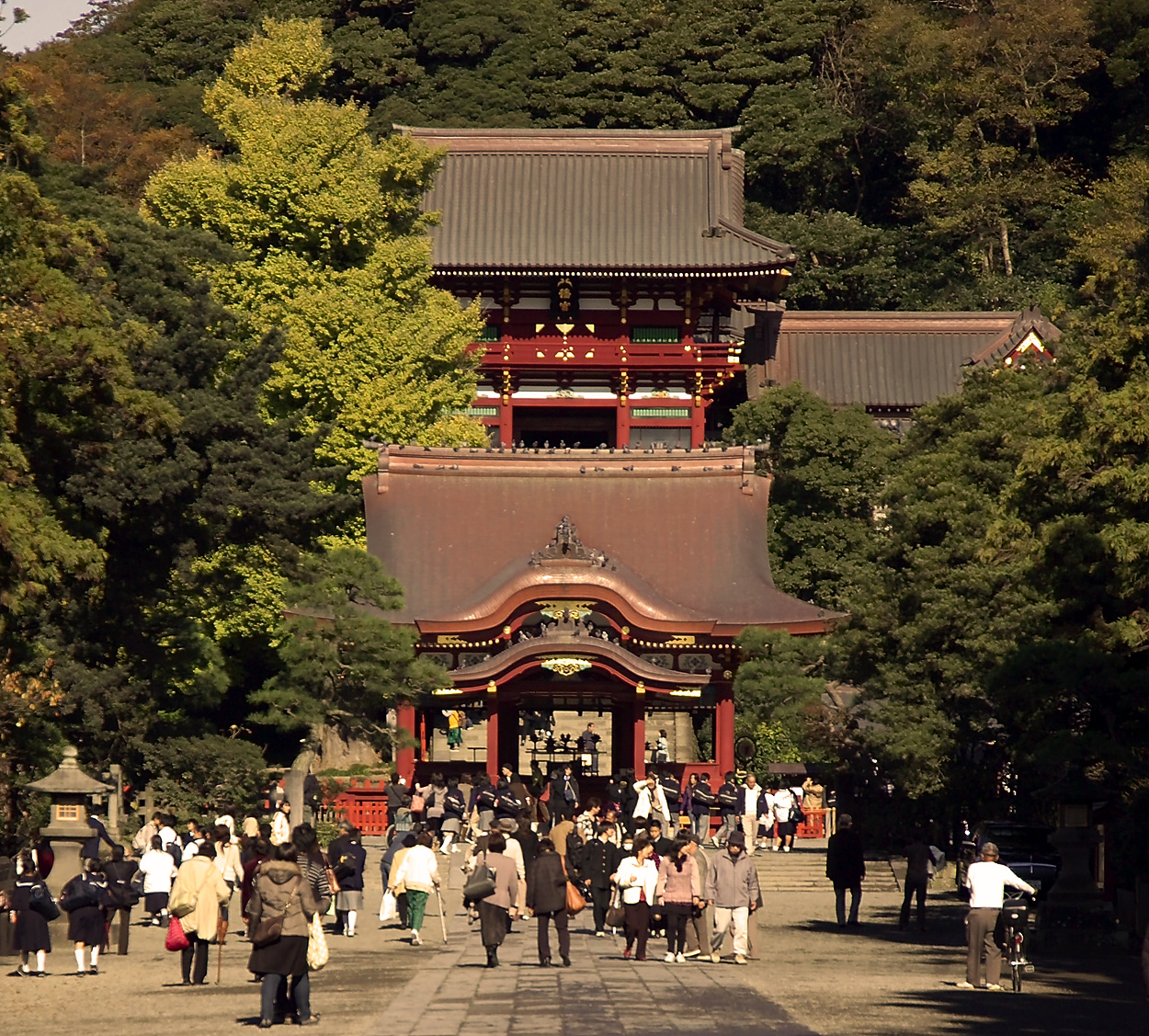
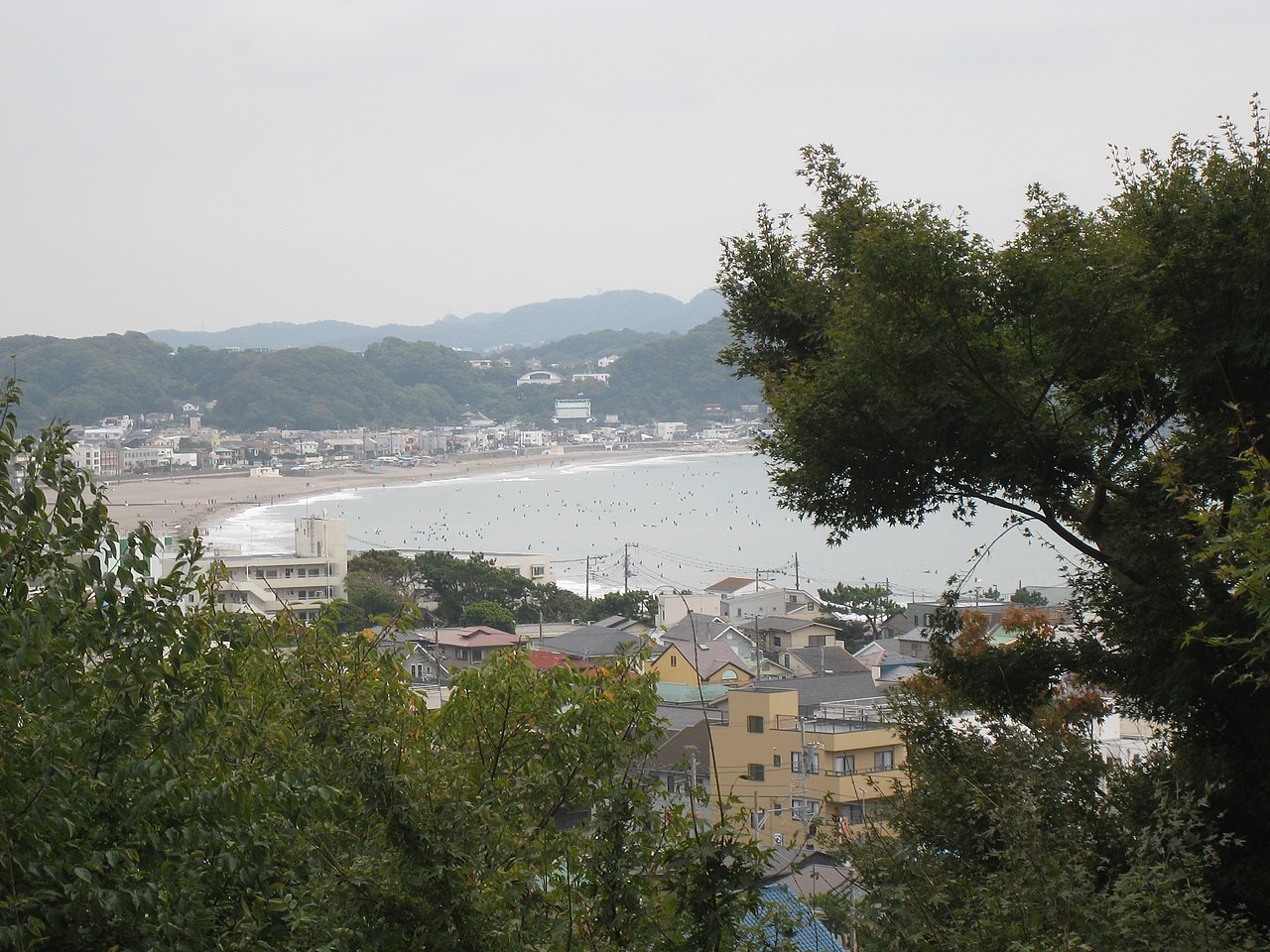
Kamakura retains many well-known cultural sites concentrated in a relatively small area. Notable places include the Tsurugaoka HachimangÅ« shrine, the large bronze Great Buddha (Daibutsu) at KÅ•toku-in, Hase-dera temple with its hillside gardens and views, and dozens of smaller temples, Zen gardens and historic streets. The city’s terrain is a mix of low hills and a narrow plain opening onto Sagami Bay, giving quick access to both beaches and wooded trails.
Modern life, tourism and transport
In modern times Kamakura functions both as a residential suburb for Tokyo-area commuters and as a major tourist destination. It is frequently described as an attractive, relatively affluent residential area because of its scenic environment, historic ambience and proximity to the capital; contemporary descriptions note its appeal as an upper-class residential choice. Rail connections serve Kamakura directly, with lines linking it to Tokyo and nearby coastal towns, and a local electric railway providing access to seaside neighborhoods and neighboring Enoshima.
Distinctions and notable facts
- Named for the Kamakura period, the city is a symbol of the emergence of samurai governance in Japan; see general background on the Kamakura period.
- Its medieval population and urban scale have been cited in comparative lists of historic cities; one account suggests around 200,000 residents by 1250, making it among the largest urban centers of that era.
- Because of its concentrated cultural heritage and accessible coastal setting, Kamakura remains one of the most visited historic towns near Tokyo.
For travel planning, cultural context and administrative information, consult regional guides and the prefectural tourism pages such as those linked for Tokyo and local resources. Additional authoritative sources and museum information are available through local cultural institutions and municipal pages referenced above.
Questions and answers
Q: Where is Kamakura located?
A: Kamakura is a city in Kanagawa, Japan, located about 50 kilometres (31 mi) south of Tokyo.
Q: What was Kamakura during the Kamakura period?
A: Kamakura was the functioning capital of Japan during the Kamakura period (1203-1333).
Q: What was the population of Kamakura in 1250?
A: In 1250, Kamakura had a population of 200,000 people, making it the 4th largest city in the world at that time.
Q: Which other Japanese cities were large during the Kamakura period?
A: The other two large cities in Japan at that time were Kyoto and Nara.
Q: When was Kamakura made a municipality?
A: Kamakura was made a municipality on November 3, 1939.
Q: Why is Kamakura famous today?
A: Kamakura is famous today as an upper-class area for people to live due to its history and its proximity to both the mountains and the sea.
Q: What is the significance of Kamakura?
A: Kamakura is historically significant as the functioning capital of Japan during the Kamakura period, and culturally significant as a city with a strong samurai heritage. It also offers natural beauty with its location near the sea and mountains.
Related articles
Author
AlegsaOnline.com Kamakura, Kanagawa: history, landmarks, and modern character Leandro Alegsa
URL: https://en.alegsaonline.com/art/52021
Sources
- city.kamakura.kanagawa.jp : Kamakura, Kanagawa city web page
- irows.ucr.edu : Cities, Empires and Global State Formation, Institute for Research on World-Systems
- washingtontimes.com : "The Great Buddha at Kamakura"
- books.google.com : Yokohama Burning: the Deadly 1923 Earthquake and Fire that Helped Forge the Path to World War II, p. 278
- kamakuratoday.com : Kamakura Today.
- kouyou.yahoo.co.jp : Yahoo Kouyou
- kamakuratoday.com : Kamakura Today