
Kan'ei (Japanese era, 1624–1643)
Kan'ei was a Japanese era from 1624 to 1643 during the early Edo period. It encompassed Tokugawa consolidation, anti-Christian measures, the Kan'ei tsuho coinage and imperial succession from Go-Mizunoo to Empress Meishō.
Kan'ei (寛永) is the Japanese era name (nengō) that covered the years from February 1624 through December 1643. Era names are part of the traditional nengō system used to mark reigns and significant periods in Japanese history. Kan'ei followed the Genna era and preceded the Shōhō era; it spanned the late reign of Emperor Go‑Mizunoo and the reign of Empress Meishō.
Image gallery
4 Images

Meaning and characteristics
The characters 寛永 are commonly interpreted to convey ideas of broadness or generosity and of enduring continuity; contemporary accounts often render the name as "Permanent Liberality" or similar phrases. As with other nengō, Kan'ei was chosen to express hopes for stability and good governance under the Tokugawa shogunate that exercised real political power in Edo (modern Tokyo).
Political and social context
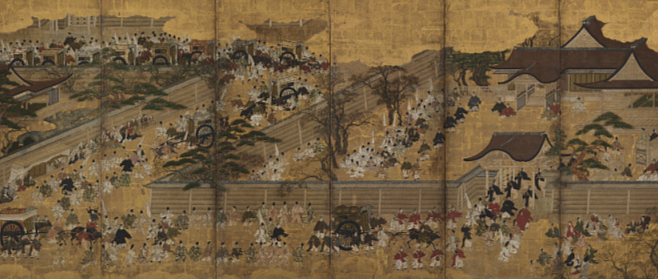
Kan'ei falls within the early Edo period, when the Tokugawa bakufu consolidated centralized rule after decades of conflict. Tokugawa Iemitsu became shogun just before and during this era, and bakufu policies hardened toward foreign contacts and Christianity. The period saw enforcement of restrictions on foreign trade and missionizing activities, efforts that shaped Japan's international posture for much of the seventeenth century.
Notable events and developments
- Imperial succession: Emperor Go‑Mizunoo abdicated during this general timeframe and was succeeded by Empress Meishō, who reigned during much of Kan'ei.
- Monetary and cultural markers: The Kan'ei tsuho (寛永通宝) coinage was introduced and became a widespread currency during the Tokugawa era, leaving a lasting economic legacy.
- Religious and security measures: The bakufu's suppression of Christianity intensified in these years, with regulations and enforcement that affected communities across the islands.
Legacy
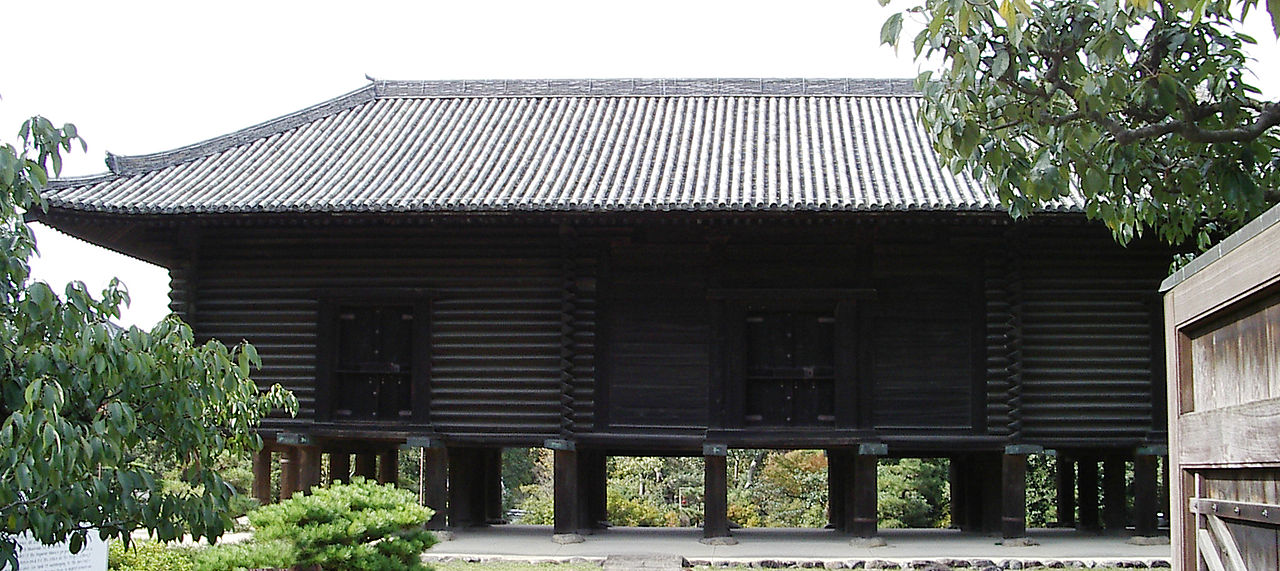
Kan'ei is remembered as a period of further political stabilization that helped define Tokugawa governance. Institutions and place names from the era survive in cultural memory—for example, temples and coins that carry the Kan'ei name—and the era's policies contributed to the long peace and isolation that characterized much of the Edo period. For background on era naming and the transition from Genna, see the article on the Genna era.
Related articles
Author
AlegsaOnline.com Kan'ei (Japanese era, 1624–1643) Leandro Alegsa
URL: https://en.alegsaonline.com/art/52088
Sources
- books.google.com : Japan Encyclopedia
- books.google.com : Japan Encyclopedia
- books.google.com : Japan Encyclopedia
- books.google.com : Coins of Japan
- books.google.com : Nipon o dai itsi ran: ou Annales des empereurs du Japon
- books.google.com : Japan Encyclopedia