
Ararat Province (Armenia): geography, history, economy and landmarks
Overview of Ararat Province in Armenia — its geography, historical sites (Artashat, Dvin, Khor Virap), economy, administrative structure and cultural significance near Mount Ararat.
Ararat Province is a region in the western part of the Republic of Armenia. The province takes its name from the iconic Mount Ararat and has a mix of fertile lowlands, historic towns and important religious sites. The provincial capital is Artashat, one of several settlements with deep connections to Armenia’s early statehood. The province borders Turkey to the west and Azerbaijan to the south, giving it both strategic significance and a complex modern history.
Image gallery
10 Images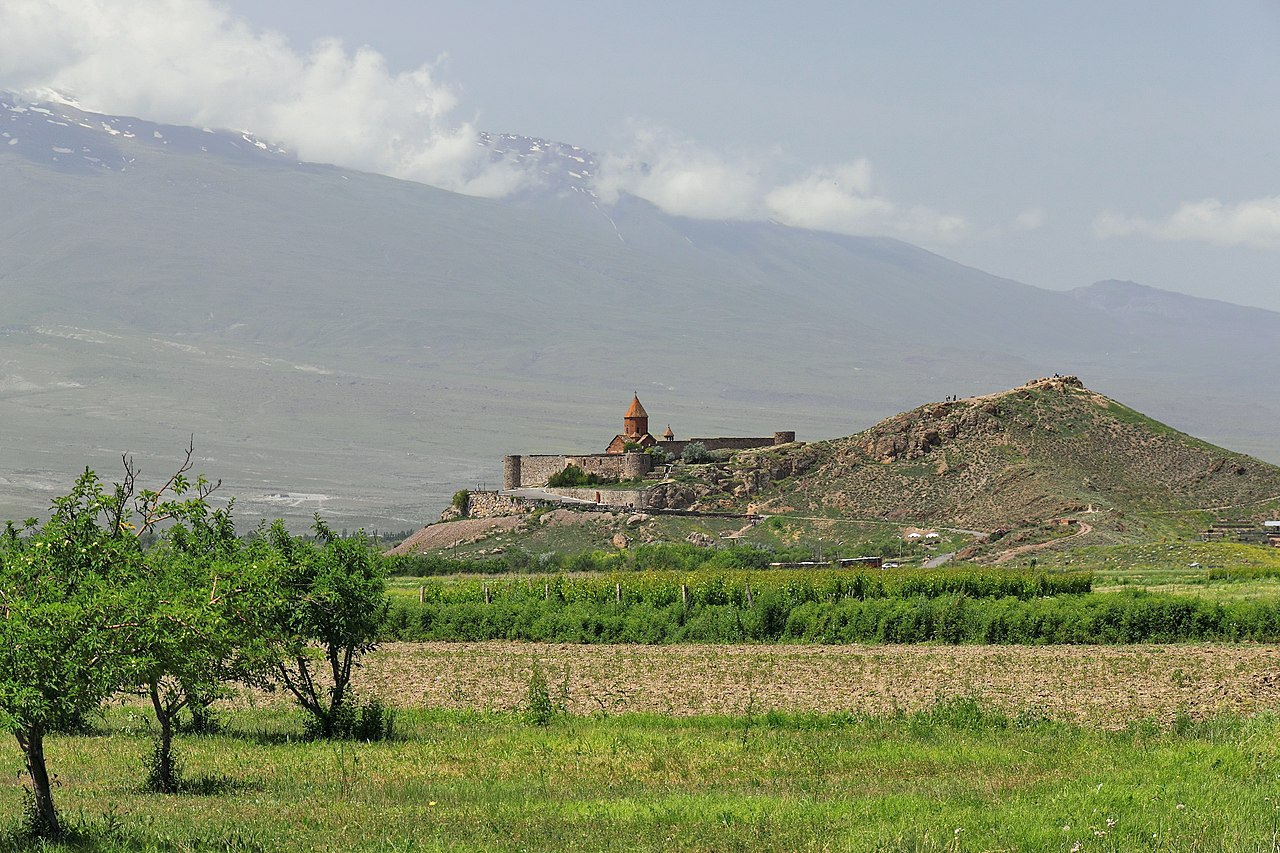


Geography and environment
Ararat lies largely on the Ararat Plain, a broad agricultural area fed by irrigation and known for vineyards, orchards and grain cultivation. The plain sits beneath the silhouette of Mount Ararat, a dormant volcanic massif highly symbolic for Armenians despite being within contemporary Turkish territory. The province’s landscape ranges from flat arable land to rolling foothills, and its climate is generally continental with hot summers and cold winters, which shapes agricultural cycles and local life.
History and heritage
The region is rich in historical layers. Two former Armenian capitals, Artashat (also known historically as Artaxata) and Dvin, are located in or near the province and testify to its ancient political importance. Khor Virap monastery, near the border with Turkey, is famous as the site where Gregory the Illuminator was held before the conversion of Armenia to Christianity; the monastery remains a major pilgrimage destination and a popular vantage point for views of Mount Ararat.
Administration and communities
Administratively, the province is organized into a small number of urban municipalities and numerous rural settlements. There are 4 urban communities and 93 rural communities, ranging from larger towns that concentrate services to small villages that maintain traditional agricultural livelihoods. Local government manages infrastructure, education and community services across this mix of population centers.
Economy and society
Ararat’s economy is dominated by agriculture — particularly fruit production, vineyards, and grain — alongside food processing and light industry in larger towns. Irrigation and fertile soils of the Ararat Plain make the province one of Armenia’s primary agricultural zones. Social life reflects a blend of rural traditions and the historical role of the area in Armenian culture and religion.
Tourism, culture and notable projects
Visitors come for historical sites and religious landmarks, including monasteries and archaeological remains connected to ancient Artashat and Dvin. Khor Virap remains a focal point for both local worship and international visitors who come to see the monastery with Mount Ararat as its backdrop. In the 1990s, international aid and volunteer programs, such as initiatives by Canadian groups, supported community centers, schools and social projects in the province to assist families affected by regional conflicts and economic transition.
Points of interest
- Artashat — historical capital and modern administrative center.
- Dvin — archaeological site of an ancient capital near the province.
- Khor Virap monastery — religious site associated with Armenia’s conversion to Christianity.
- Mount Ararat — cultural and visual landmark closely tied to Armenian identity.
For further regional information and administrative details consult official sources about the province and the Republic of Armenia.
Administration breakdown
The Armenian province of Ararat contains 95 municipalities, of which four are urban and 91 are rural:
| Municipality | Area (km2) | Population |
| Ararat | 6 | 20.300 |
| 12 | 20.700 | |
| Masis | 6 | 20.500 |
| Wedi | 5,5 | 11.600 |
Rural communities and contained settlements:
|
|
|
|
Related articles
Author
AlegsaOnline.com Ararat Province (Armenia): geography, history, economy and landmarks Leandro Alegsa
URL: https://en.alegsaonline.com/art/5194
Sources
- armstat.am : "RA Ararat Marz"