
Ardahan, city in northeastern Turkey
Ardahan is a provincial capital in northeastern Turkey on a high Anatolian plateau near the Georgian border. Known for cold winters, pastoral agriculture, layered history, and rural landscapes.
Overview
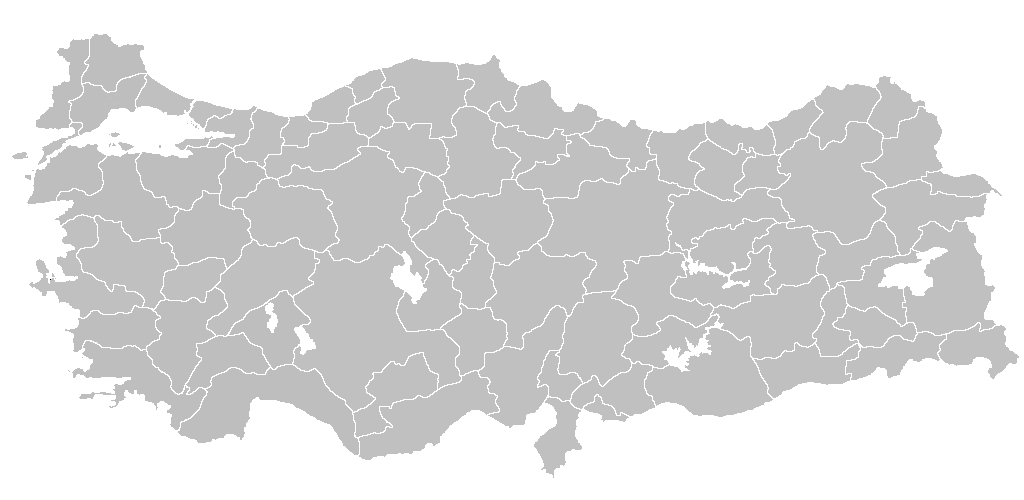
Ardahan is a small city and the administrative centre of Ardahan Province in northeastern Turkey. It sits on a high Anatolian plateau close to the border with Georgia. The city functions as a local hub for government services, trade and rural life in a region characterized by wide plains and mountain ranges.
Image gallery
6 Images



Geography and climate
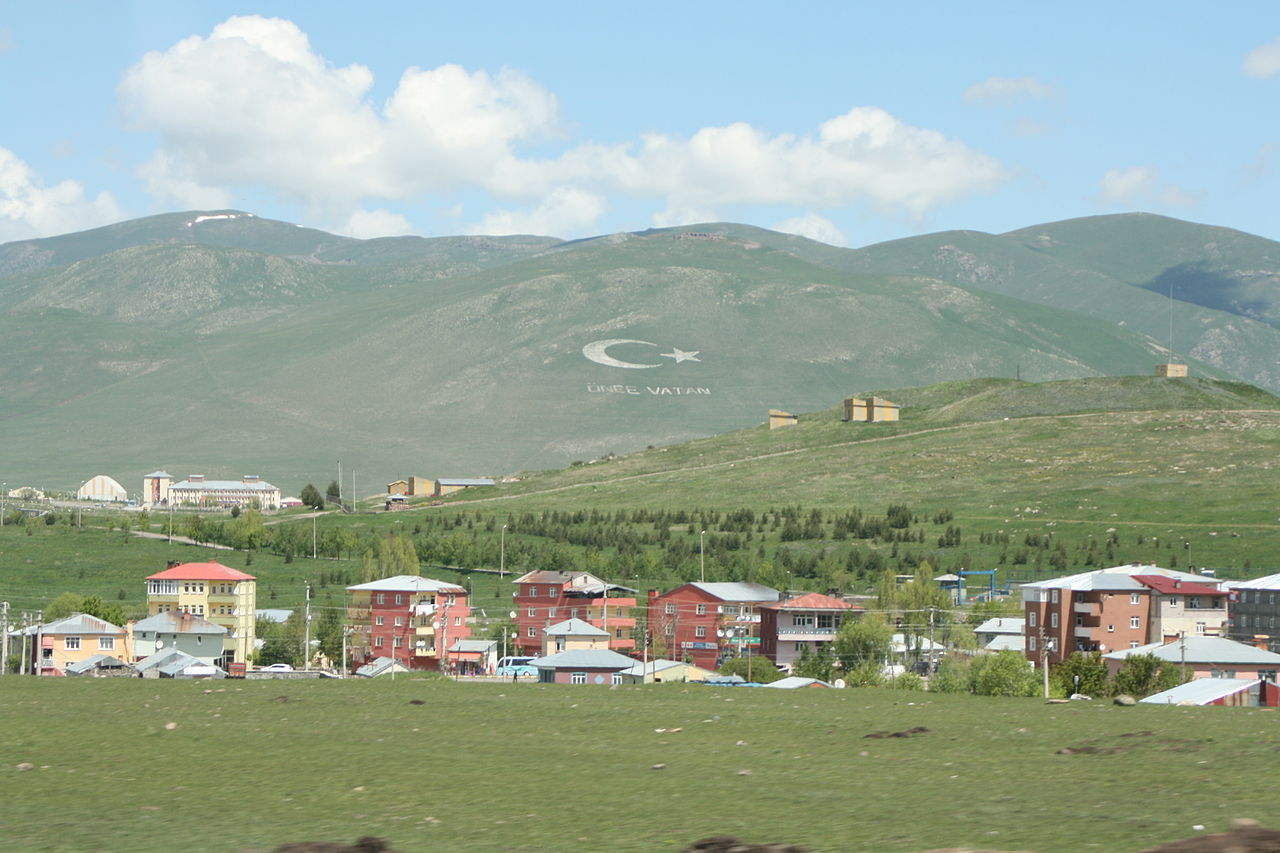
Ardahan occupies an elevated, inland location that produces a continental climate: long, cold winters with significant snowfall and short, cool summers. The surrounding landscape includes pastureland, small rivers and upland plateaus used for seasonal grazing. These conditions shape settlement patterns and economic activity.
History and development
The area around Ardahan has a layered past, having been influenced by medieval Armenian and Georgian principalities and later incorporated into Ottoman domains. It experienced foreign occupation during the late 19th and early 20th centuries and was incorporated into the modern Turkish state in the early 1920s. Remnants of older fortifications and historical routes reflect the town’s strategic position near historic frontier zones.
Economy and culture
Ardahan’s economy is largely rural and based on livestock, dairy and cereal farming. Small-scale trade, public administration and service activities in the city support surrounding villages. Local culture reflects a mixture of Anatolian highland traditions, with food and seasonal life adapted to the cold climate.
Notable features
- Provincial capital serving a sparsely populated region.
- Close to the Georgia border, offering cross-border connections at nearby crossings.
- Access to upland pastures and natural scenery attractive for rural tourism.
- Historic traces such as fortress ruins and traditional architecture.
Visitors to Ardahan can expect a quiet, rural atmosphere, strong seasonal rhythms related to agriculture, and opportunities to explore highland landscapes and local history away from major urban centres.
Related articles
Author
AlegsaOnline.com Ardahan, city in northeastern Turkey Leandro Alegsa
URL: https://en.alegsaonline.com/art/5360