
Ethnic groups in Afghanistan: overview, distribution, and significance
Survey of Afghanistan's principal ethnic communities, their geographic distribution, languages, religions, historical notes, and contemporary political and cultural roles.
Afghanistan is a multi-ethnic country whose population includes a number of distinct peoples with different languages, histories and regional concentrations. Modern demographic data are limited and exact percentages vary between sources, but several groups are widely recognized as central to the country's social fabric.
Image gallery
10 Images


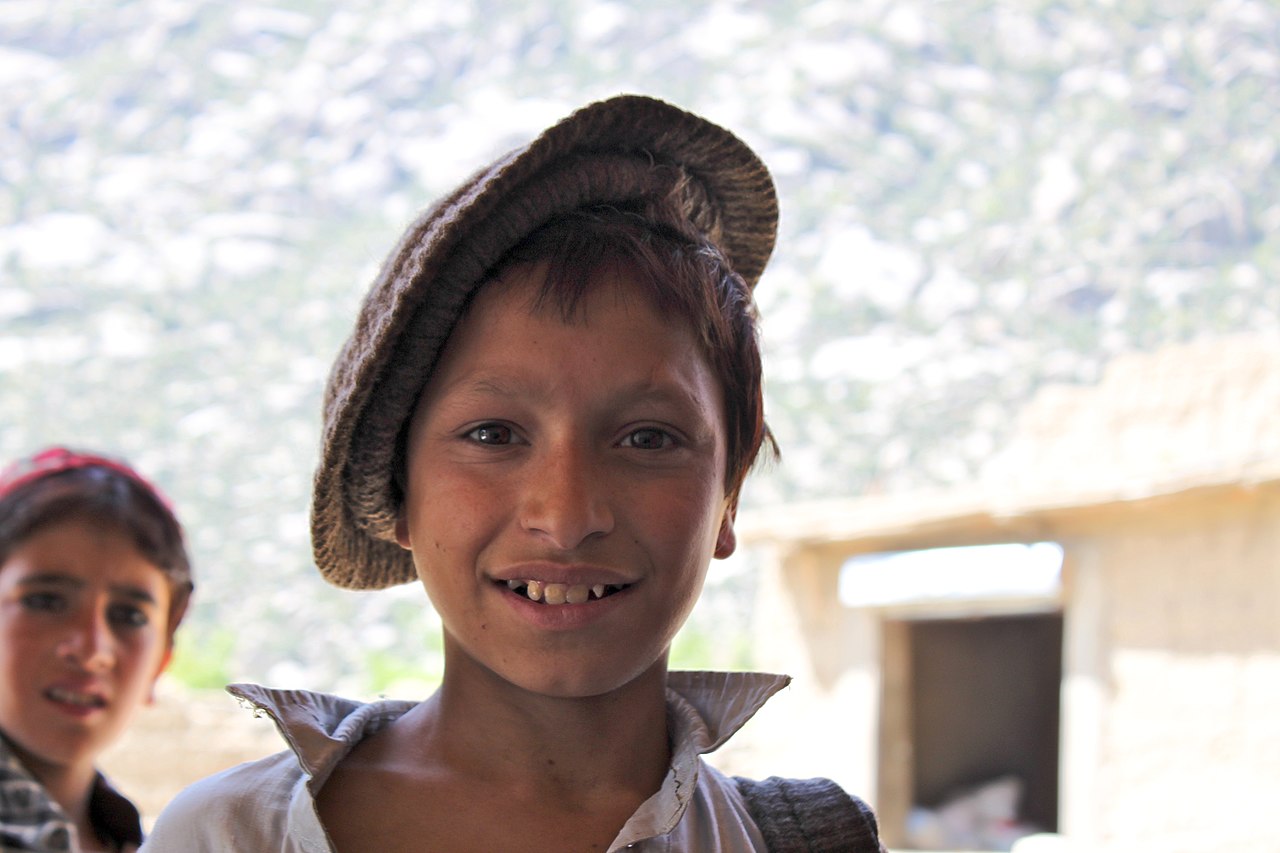


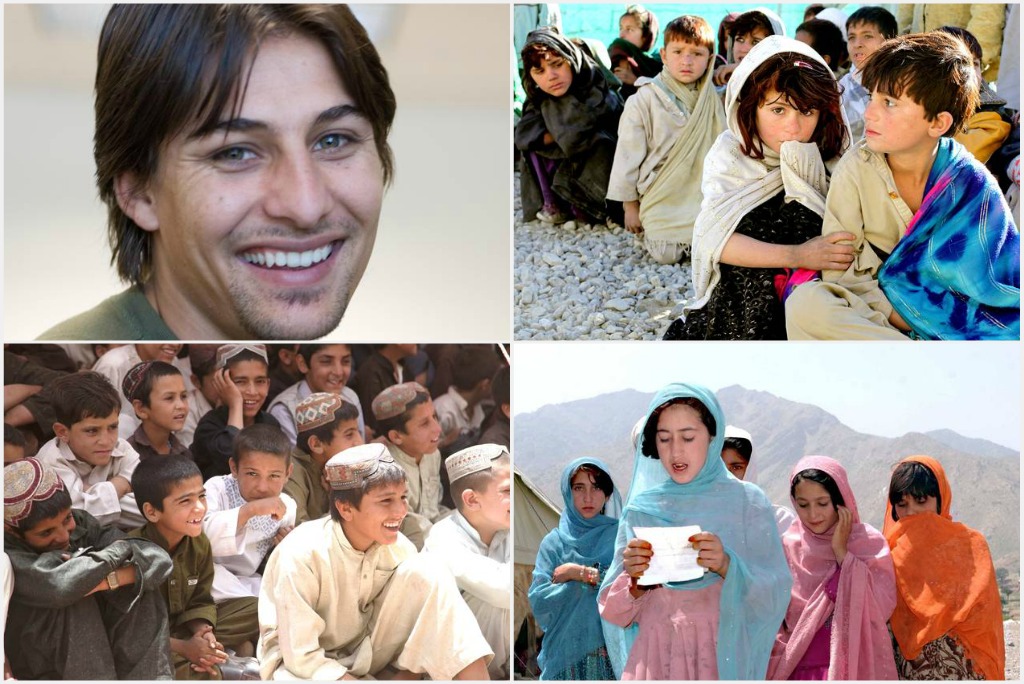

Major groups and where they live
- Pashtun — traditionally found in the south and east and in many rural tribal areas.
- Tajik — commonly urban and rural in the north and west, and influential in commerce and administration.
- Hazara — concentrated in the central highlands (Hazarajat), with a distinct cultural and religious profile.
- Uzbek and Turkmen — Turkic-speaking groups mainly in northern provinces.
- Aimaq — a collection of semi-nomadic Persian-speaking communities in the west and central regions.
- Baloch and Brahui — present in the southern and southwestern borderlands.
- Pashayi and Nuristani — smaller eastern groups with their own languages and local traditions.
- Afghan Arabs, Pamiri, Moghol, Gujjar and Qizilbash — among several other smaller communities.
Language and religion are important markers of identity. Dari (Afghan Persian) and Pashto are the most widely spoken languages; Turkic and other local languages are used by Uzbeks, Turkmen and many smaller groups. The majority of Afghans follow Sunni Islam (predominantly the Hanafi school), while Shia Islam is practiced notably by Hazaras and some other communities.
Historically, Afghanistan has been shaped by waves of migration, conquest and cultural exchange along the routes of Central and South Asia. Ethnic boundaries are not fixed: many people identify with multiple local, tribal, linguistic or national identities, and intermarriage and bilingualism are common in urban areas.
In contemporary politics and society, ethnic affiliation often intersects with regional power, language policies, and access to resources. Parties, militias and national movements have at times mobilized along ethnic lines, but civic and cross-ethnic institutions also exist and play roles in trade, education and cultural life.
Notable distinctions include the pastoral and tribal organization of some groups, the urban mercantile traditions of others, and the unique cultural contributions each community brings to Afghan music, poetry, cuisine and crafts. Because reliable nationwide census data have been scarce, careful interpretation is needed when using statistics about relative group sizes and distributions.
For further reading on particular communities see individual entries for Pashtun, Tajik, Hazara and the other groups linked above.
Questions and answers
Q: What is Afghanistan?
A: Afghanistan is a multi-ethnic country.
Q: What are the ethnic groups in Afghanistan?
A: Ethnic groups in Afghanistan include the Pashtun, Tajik, Hazara, Uzbek, Aimaq, Turkmen, Baloch, Pashayi, Nuristani, Gujjar, Arab, Brahui, Qizilbash, Pamiri, Moghol and a few others.
Q: What is the largest ethnic group in Afghanistan?
A: The largest ethnic group in Afghanistan is the Pashtun.
Q: What are the other important ethnic groups in Afghanistan?
A: Other important ethnic groups in Afghanistan include the Tajik, Hazara, and Uzbek.
Q: Are there any minority ethnic groups in Afghanistan?
A: Yes, there are several minority ethnic groups in Afghanistan.
Q: What is the significance of the ethnic diversity in Afghanistan?
A: The ethnic diversity in Afghanistan reflects the country's complex history and culture.
Q: How does the ethnic diversity impact Afghanistan's politics and society?
A: The ethnic diversity has often led to conflict and instability in Afghanistan's politics and society.
Related articles
Author
AlegsaOnline.com Ethnic groups in Afghanistan: overview, distribution, and significance Leandro Alegsa
URL: https://en.alegsaonline.com/art/32393
Sources
- afghanpaper.com : "afghanpaper.com"