
Kabomani tapir (Tapirus kabomani)
Small South American tapir described in 2013 from the Amazon. Notable for its small size and debated taxonomic status; distribution, ecology and conservation needs remain incompletely known.
The kabomani tapir (Tapirus kabomani) was reported in 2013 as a small-bodied taxon of tapir from the Amazon basin. Tapirs belong to the order Perissodactyla, the odd-toed ungulates; a general introduction to the group is available here. The announcement attracted attention because discoveries of large terrestrial mammals are now uncommon and the described animals were among the smallest known tapirs.
Image gallery
10 Images
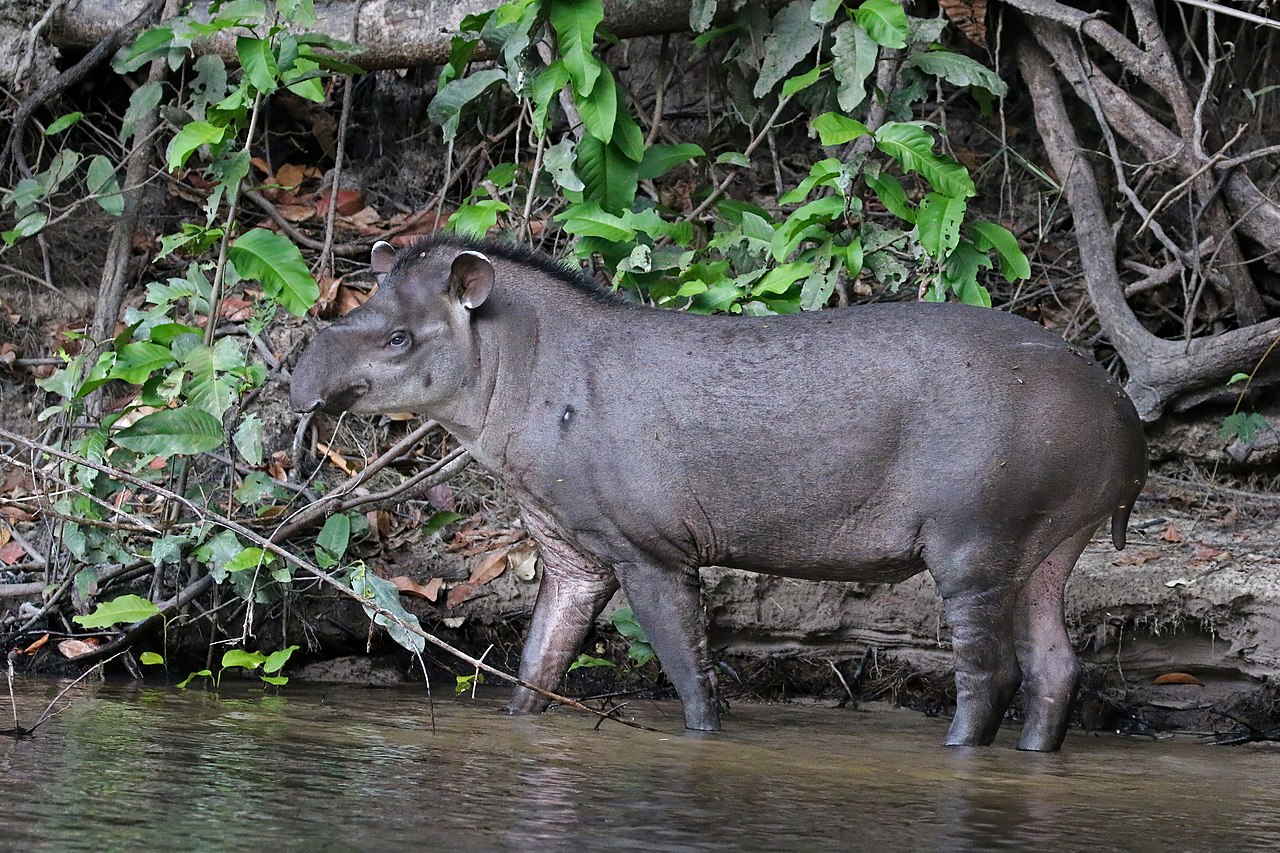


Appearance and distinguishing traits
Described individuals are relatively small for a tapir, with reported adult weights on the order of 110 kilograms (about 240 pounds). Pelage is typically dark grey to dark brown. Sexual dimorphism described in the original report noted that males tend to be smaller than females, and that many females showed a lighter throat patch extending from the chin across the neck. Like all tapirs it bears a short flexible proboscis used to grasp leaves and fruit.
Distribution and habitat
Reports and specimens associated with the description came from lowland rainforest within the Amazon region. Observations indicate an association with dense forest, forest edges and riverine habitats where tapirs browse and feed on fallen fruit. The precise geographic limits and habitat preferences attributed to this taxon remain uncertain: additional field surveys and genetic sampling are needed to map any distinct population boundaries.
Discovery and taxonomic debate
The formal description in 2013 presented the animal as a distinct species and emphasized the rarity of discovering a new large mammal. Since that publication, the taxonomic status has been debated: some researchers accept it as a separate species, while others find the morphological and genetic evidence insufficient to rule out that these records represent a population or variant of other lowland tapirs. This debate illustrates how cryptic variation, limited sampling and the need for broader genetic comparisons complicate species delimitation in remote regions.
Ecology, behaviour and human knowledge
As with other tapirs, individuals attributed to this taxon are thought to be primarily browsers and frugivores that contribute to seed dispersal in tropical forests. Tapirs are often active at dawn, dusk and at night, and they use dense cover and watercourses for refuge. Local and indigenous knowledge played a role in reporting specimens and sightings, and researchers emphasize collaboration with communities in further surveys.
Conservation considerations
Potential threats mirror those affecting many Amazonian mammals: habitat loss from deforestation, fragmentation, and hunting pressure. The uncertain taxonomic status and scarcity of verified records complicate formal assessment of conservation status. Conservationists recommend targeted camera-trap surveys, broader genetic analyses of museum and field samples, and engagement with local communities to document occurrence and assess threats across the Amazon region; outreach and study in the Amazon rainforest remain priorities.
- Notable fact: The 2013 report highlighted how rare it has become to describe a new large terrestrial mammal.
- Research priorities: systematic surveys, population genetic studies, ecological monitoring and community-based reporting to resolve status and needs.
Related articles
Author
AlegsaOnline.com Kabomani tapir (Tapirus kabomani) Leandro Alegsa
URL: https://en.alegsaonline.com/art/51845