
Juvenile idiopathic arthritis: overview, types, symptoms, diagnosis and care
Juvenile idiopathic arthritis (JIA) is a group of chronic inflammatory joint disorders beginning before age 16. This entry explains subtypes, symptoms, causes, diagnosis, treatment, complications and long‑term care.
Overview
Juvenile idiopathic arthritis (JIA) is the preferred umbrella term for a group of persistent inflammatory joint disorders that begin in childhood, before the 16th birthday. The condition is considered autoimmune or autoinflammatory in nature and typically involves swelling, pain and reduced range of motion in one or more joints. The clinical course ranges from a single brief episode to chronic disease requiring long‑term management. Modern treatments aim to control inflammation, prevent joint damage and support normal growth and function.
Image gallery
1 Image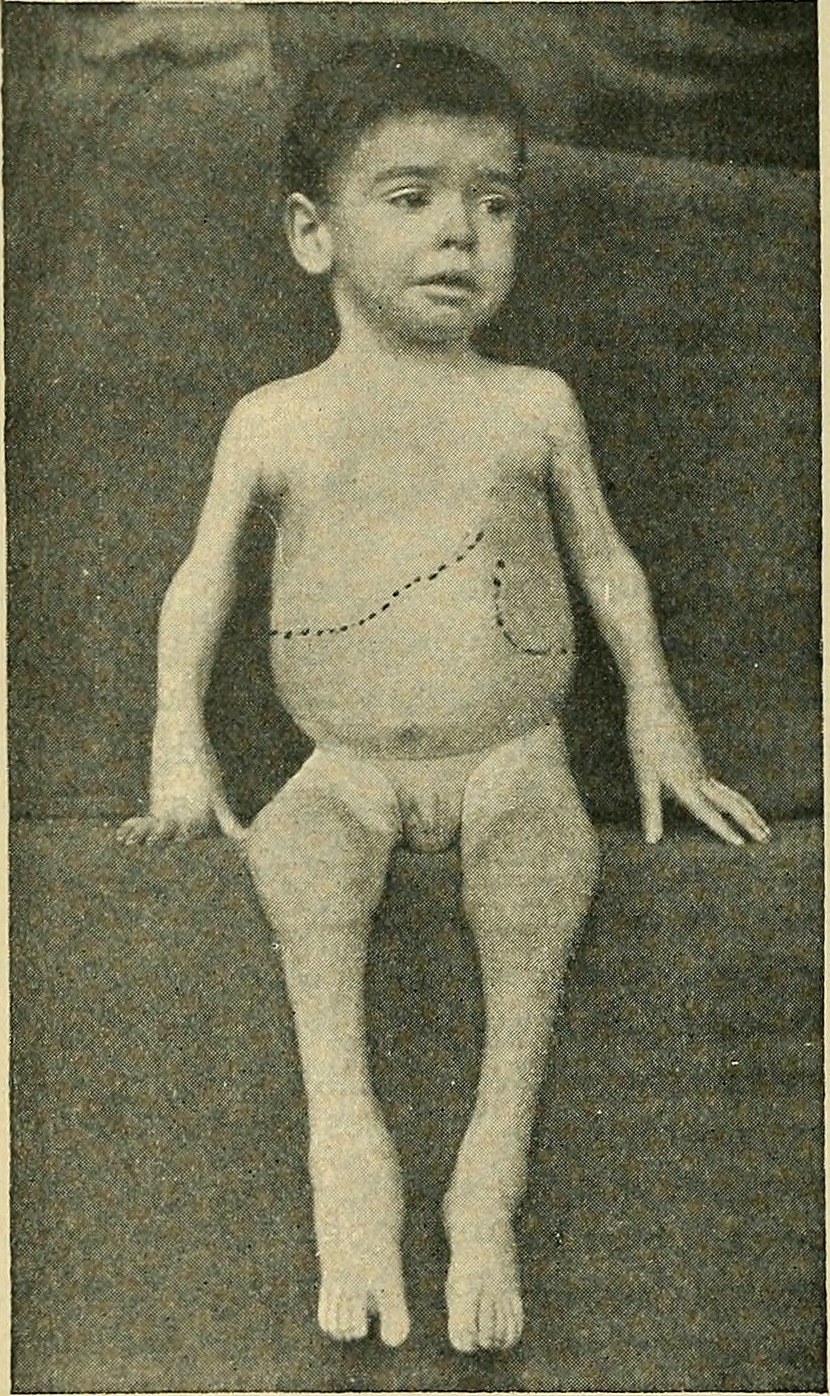
Classification and subtypes
Classification helps guide prognosis and treatment. Major categories include:
- Oligoarticular JIA — few joints affected (often large joints such as the knees).
- Polyarticular JIA — five or more joints involved; can resemble adult rheumatoid arthritis and may be rheumatoid‑factor positive or negative.
- Systemic JIA (Still’s disease) — systemic features such as fever and rash accompany arthritis.
- Enthesitis‑related JIA — inflammation at tendon or ligament attachments; commonly affects lower limbs and may involve the spine.
- Psoriatic JIA — arthritis associated with psoriasis or typical nail changes.
- Undifferentiated — cases that do not fit a single category.
Signs and symptoms
Common early features are joint swelling, stiffness (classically worse in the morning), reduced movement and limp or reluctance to use an affected limb. Large joints such as the knees and ankle and smaller joints of the hands and feet can be involved. Symptoms vary: some children report marked pain, others primarily show stiffness, fatigue or reduced participation in play and school. Systemic subtypes may present with fever, rash or malaise. Eye inflammation (chronic anterior uveitis) is an important extra‑articular problem that can be sight‑threatening if undetected.
Causes and pathophysiology
The exact cause of JIA is unknown. It is believed to result from a combination of genetic susceptibility and environmental triggers that cause the immune system to target joint tissues. Some forms show features of classic autoimmunity, while others have autoinflammatory mechanisms. Patterns of immune activation and the presence of specific antibodies or genetic markers differ among subtypes, which helps explain variations in age at onset, sex distribution and clinical behavior. For general background on immune mechanisms, see resources about autoimmune conditions at relevant references.
Diagnosis and monitoring
Diagnosis is primarily clinical and requires persistent arthritis for a defined period; laboratory tests and imaging support assessment and help exclude other causes. Blood tests commonly include markers of inflammation (erythrocyte sedimentation rate, C‑reactive protein), and sometimes autoantibodies (antinuclear antibodies, rheumatoid factor) to define subtype and prognosis. Ultrasound and magnetic resonance imaging detect synovitis and joint damage earlier than plain X‑rays. Regular eye screening is recommended for at‑risk children because uveitis can be asymptomatic.
Treatment and management
Care is multidisciplinary. Initial symptomatic treatment often uses nonsteroidal anti‑inflammatory drugs (NSAIDs) and activity modification. Physical therapy and occupational therapy help maintain range of motion, strength and function and support normal development. When inflammation is persistent, disease‑modifying antirheumatic drugs (DMARDs) such as methotrexate are commonly used; biologic therapies that target specific immune pathways have substantially improved outcomes for many children. Short courses of systemic corticosteroids or intra‑articular steroid injections may be used for severe flares, but long‑term systemic steroid use is generally avoided when possible because of side effects.
Rehabilitation and long‑term care
Long‑term management addresses not only inflammation but growth, education and psychosocial needs. Physiotherapy, splinting when indicated, school accommodations and monitoring of growth and bone health are central. Vaccination status should be reviewed and live vaccines discussed with specialists when immunosuppressive therapy is used. Transition planning to adult care is important for adolescents with ongoing disease.
Complications and prognosis
Prognosis varies by subtype, severity and response to treatment. Many children achieve remission, especially with early, appropriate therapy. Potential complications include joint damage and deformity, impaired growth, and vision loss from untreated uveitis. Rare severe systemic complications can occur in systemic JIA and require urgent specialist care. Close follow‑up allows early detection and management of complications, improving long‑term outcomes.
Differential diagnosis and when to seek care
Other causes of joint pain and swelling in children include trauma, infection, malignancy and other inflammatory conditions; prompt medical assessment is advised for persistent swelling, unexplained limping, recurrent fever or changes in vision. Early referral to a pediatric rheumatologist improves the chances of rapid diagnosis and effective treatment.
Further information and support
Reliable patient information, family support groups and specialist centers provide practical guidance on living with JIA, school planning and therapy options. For information about commonly affected joints see references on the knee and the ankle. For resources on symptom management and pain coping strategies visit information pages or family support links at specialist organizations. Professional summaries and clinical guidance are available through pediatric rheumatology networks and curated medical resources here.
Related articles
Author
AlegsaOnline.com Juvenile idiopathic arthritis: overview, types, symptoms, diagnosis and care Leandro Alegsa
URL: https://en.alegsaonline.com/art/51793