
Klinefelter syndrome (47,XXY)
A chromosomal condition in people with an extra X chromosome. It commonly affects physical development, fertility, learning and health; diagnosis by karyotype and managed with hormones and supportive care.
Klinefelter syndrome is a chromosomal condition in which a person has at least one extra X chromosome, most often described as 47,XXY. It is a common sex chromosome variation that typically affects individuals who are assigned male at birth, and it can influence physical development, hormone levels and fertility. For a concise medical overview see genetic condition.
Image gallery
3 Images

Features and presentation
Clinical features vary widely. Common findings include smaller testes and reduced testosterone production, taller-than-average stature, and reduced muscle mass. Many people have difficulties with language, learning or social development, and infertility is frequent. Some experience mild breast enlargement and reduced facial or body hair. The degree and combination of signs differ from person to person.
Genetics and diagnosis
The classic karyotype is 47,XXY, but mosaic patterns such as 46,XY/47,XXY occur and may produce milder signs. Diagnosis is made by cytogenetic testing (karyotype) or chromosomal microarray. Prenatal screening methods, including noninvasive prenatal testing, can suggest an extra X but require diagnostic confirmation by invasive testing.
Management and outlook
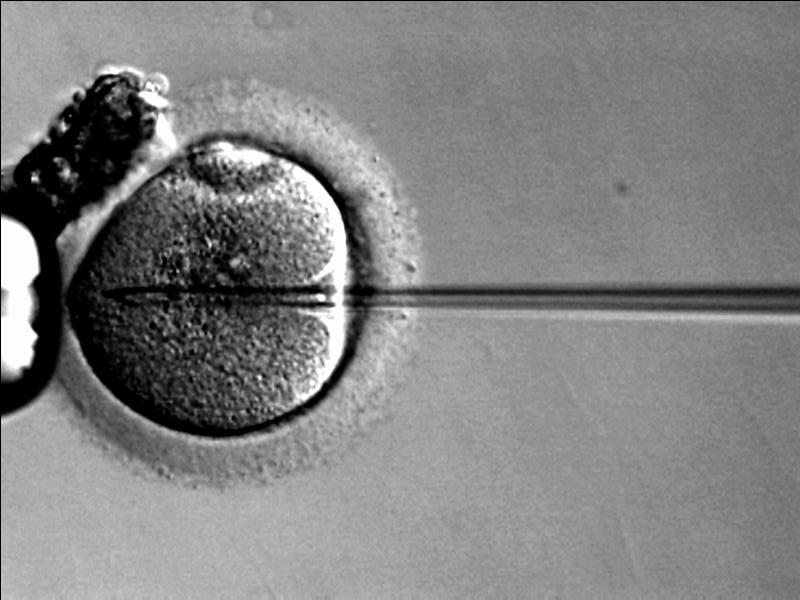
Treatment focuses on hormone replacement (testosterone) when indicated, educational and speech support, and addressing psychosocial needs. Many men with Klinefelter syndrome can father children using assisted reproductive techniques combined with sperm retrieval when sperm production is very low. Ongoing health monitoring includes screening for osteoporosis, metabolic conditions and other associated risks.
History and important distinctions
The syndrome was first clinically described in the 1940s and its chromosomal basis (47,XXY) identified in the late 1950s. Klinefelter syndrome differs from other sex chromosome conditions such as Turner syndrome (45,X) and shows substantial variability: some people remain undiagnosed until adulthood, often during fertility evaluation.
Related articles
Author
AlegsaOnline.com Klinefelter syndrome (47,XXY) Leandro Alegsa
URL: https://en.alegsaonline.com/art/53943
Sources
- nichd.nih.gov : "Understanding Klinefelter Syndrome: A Guide for XXY Males and their Families"
- doi.org : 10.1016/j.fertnstert.2003.09.085
- pubmed.ncbi.nlm.nih.gov : 15482743
- doi.org : 10.1126/science.133.3467.1795
- pubmed.ncbi.nlm.nih.gov : 1163864