
Jurong (western Singapore): history, industry, and urban renewal
Jurong is a district in western Singapore transformed from swamp into an industrial and residential area. It includes Jurong East and West, major parks, industrial precincts and plans for a new commercial hub.
Overview
Jurong is a large district on the western side of Singapore. It now contains a mix of residential neighbourhoods, industrial zones and recreational attractions. Administratively the area is commonly described as Jurong East and Jurong West, with different planning and electoral boundaries covering the various parts of the district.
Image gallery
10 Images


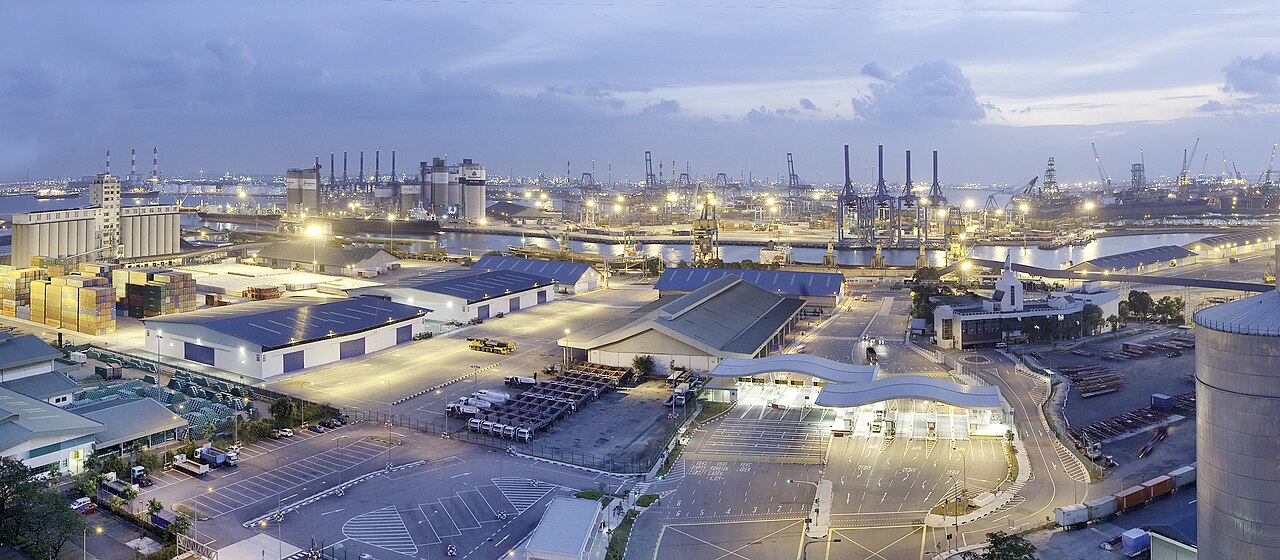


Geography and administrative divisions
Jurong East concentrates most of the housing, shopping and transport facilities, while Jurong West historically hosted dense industrial estate development. The wider Jurong region also includes specialized sites such as Jurong Island (a reclaimed petrochemical hub) and waterfront areas around Jurong Lake. Local governance has shifted over time and the district is represented in Singapore’s electoral map through group representation constituencies.
History and development
Before industrialisation the area was largely swamp and mangrove. In the post-war decades the Singapore government pursued an explicit policy of industrialisation and land reclamation to diversify the economy. Under the leadership of planning figures such as Goh Keng Swee and other ministers (see ministerial roles), large tracts of swamp were drained and prepared for factories and worker housing in the 1950s and 1960s. The programme included domestic planning and international technical assistance from organizations such as the United Nations and advisers who helped shape early industrial policy.
Industry, economy and infrastructure
Jurong became synonymous with manufacturing and heavy industry in Singapore. The original Jurong Industrial Estate attracted a wide range of industries including electronics, machinery, chemicals and shipbuilding. Over time the economic profile has evolved: some older factories have been replaced by higher-technology facilities, logistics nodes and mixed-use developments. Major transport and logistics links serving the area include expressways, rail connections and cross-border links such as the Second Link at Tuas, which provides a road connection to Johor Bahru via the western causeway near Tuas.
Attractions, parks and community life
Jurong is also known for several public attractions that draw residents and visitors. Notable sites include the Jurong Bird Park and the Singapore Chinese Garden, which are set among landscaped areas and lakes. The district contains shopping centres, sports facilities and community amenities that serve its residential population. Key redevelopment projects aim to expand green space and lakeside recreation while integrating commercial and cultural uses.
Notable facts and future directions
Several aspects make Jurong notable: its rapid transformation from swamp to industrial heartland; the emergence of Jurong Island as a petrochemical cluster created by land reclamation; and ongoing urban renewal projects that reposition parts of Jurong as a commercial and innovation district. Plans by planners and agencies consider Jurong Lake District and surrounding precincts as a major growth area intended to complement Singapore’s existing central business district.
Summary
- Jurong evolved from wetlands into a major industrial and residential region in western Singapore.
- Its development in the 1960s was driven by government industrial policy and technical assistance from international partners such as the United Nations.
- Today it combines manufacturing zones, commuter towns, parks and transport links to neighbouring Malaysia via the western Second Link to Johor Bahru.
For further reading about the district’s planning, history and current projects consult local government planning pages and historical studies of Singapore’s industrialisation period (early swamplands, 1960s development era, industrial policy under figures such as Goh Keng Swee and the role of national ministries (ministries)). Key topics for exploration include the evolution of industrial estates, the construction and role of transport links at Tuas, and cross-border connectivity to Johor Bahru.
Related articles
Author
AlegsaOnline.com Jurong (western Singapore): history, industry, and urban renewal Leandro Alegsa
URL: https://en.alegsaonline.com/art/51741