
K2 (Chhogori / Mount Godwin-Austen) — the Karakoram's Savage Mountain
K2 (8,611 m) is the world's second-highest peak in the Karakoram. Known as Chhogori or Mount Godwin-Austen, it is famed for extreme technical difficulty, a high fatality rate, and a dramatic climbing history.
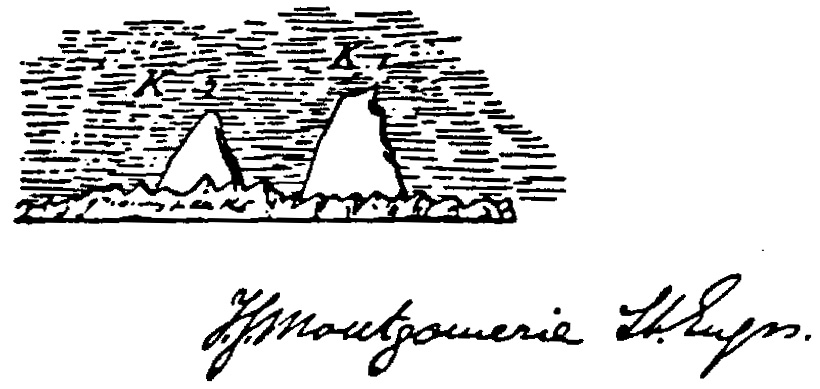
Overview: K2 rises to about 8,611 metres (28,251 ft) and ranks as the second highest known peak on Earth. Often called Chhogori by local communities and historically labeled Mount Godwin-Austen, K2 sits in the heart of the Karakoram mountains. It is one of the most prominent and remote mountains in the greater Himalayan region and has long attracted climbers and scientists from around the world. The familiar short name "K2" originated from an early systematic survey of the range, when surveyors designated peaks with the letter K and a number; that designation persists in common use and mountaineering literature (survey records).
Image gallery
10 Images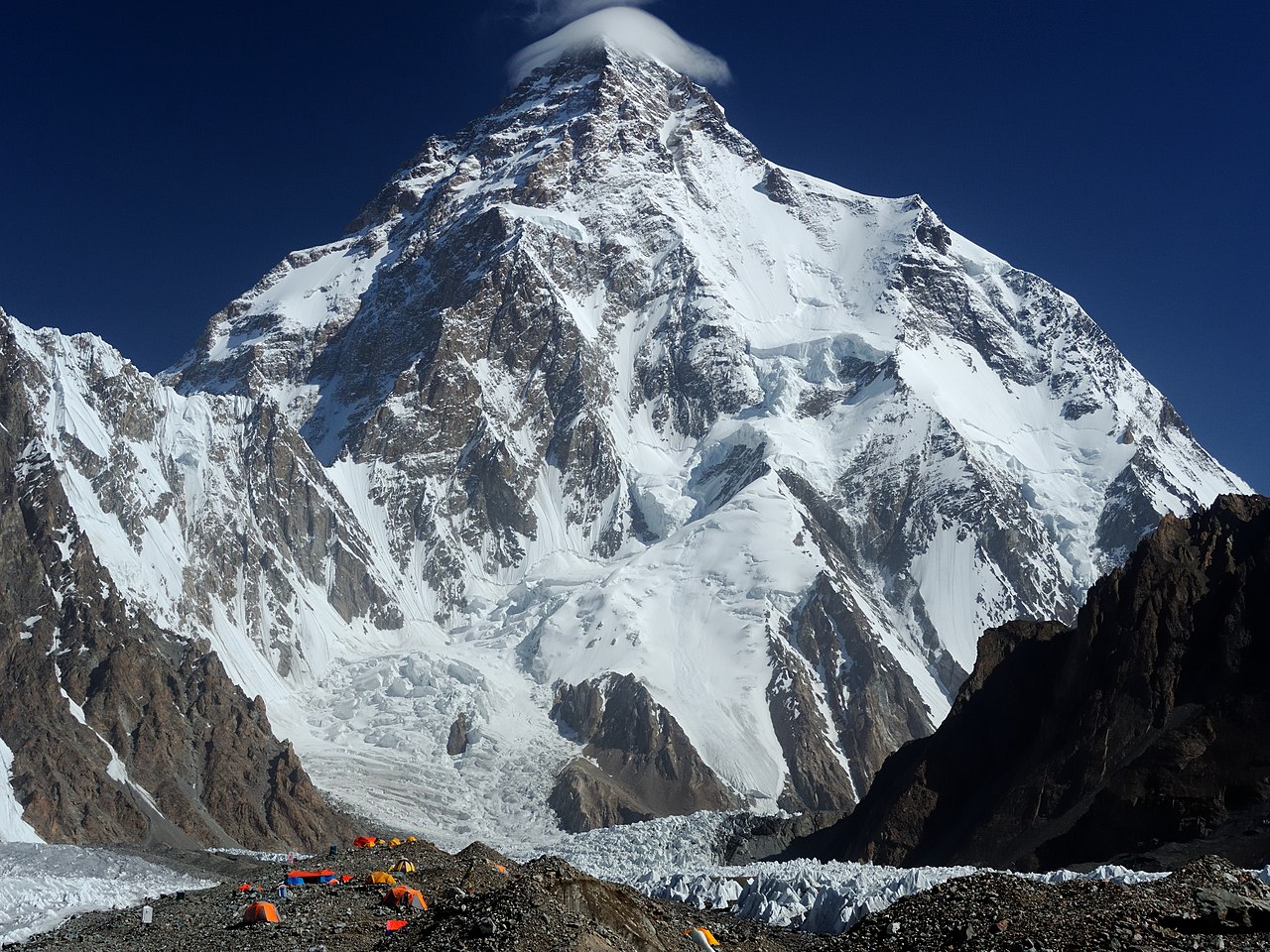




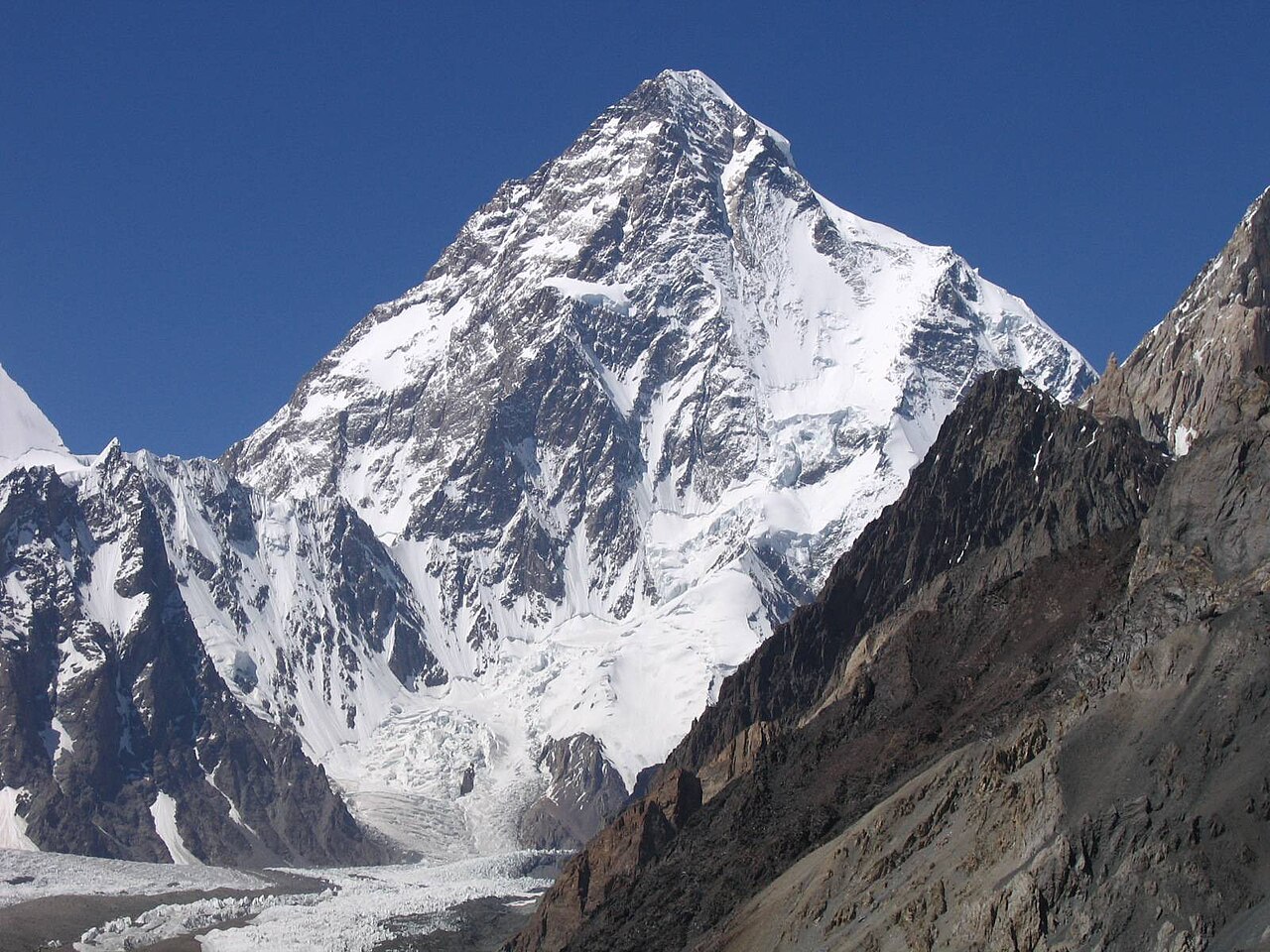
Physical characteristics and location
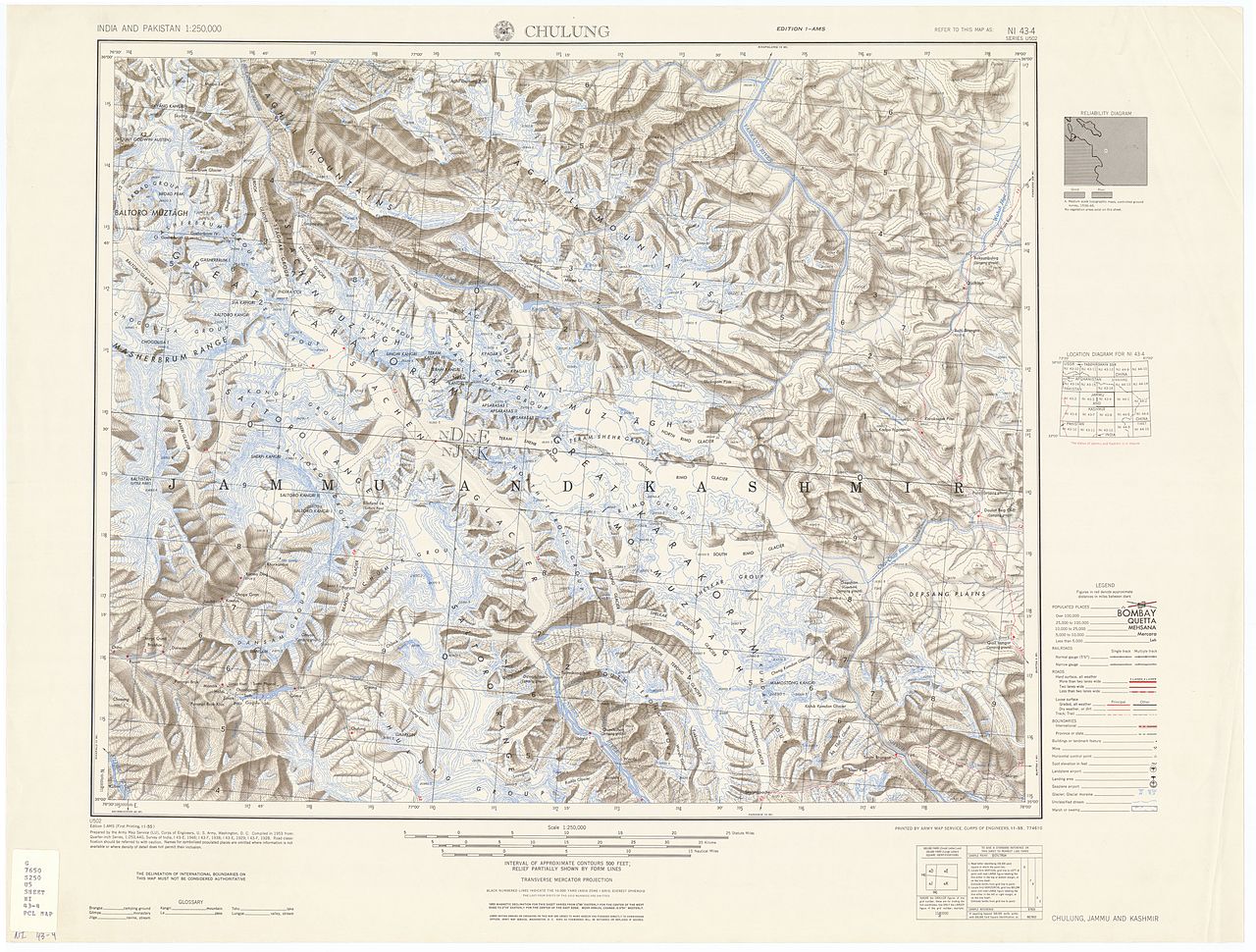
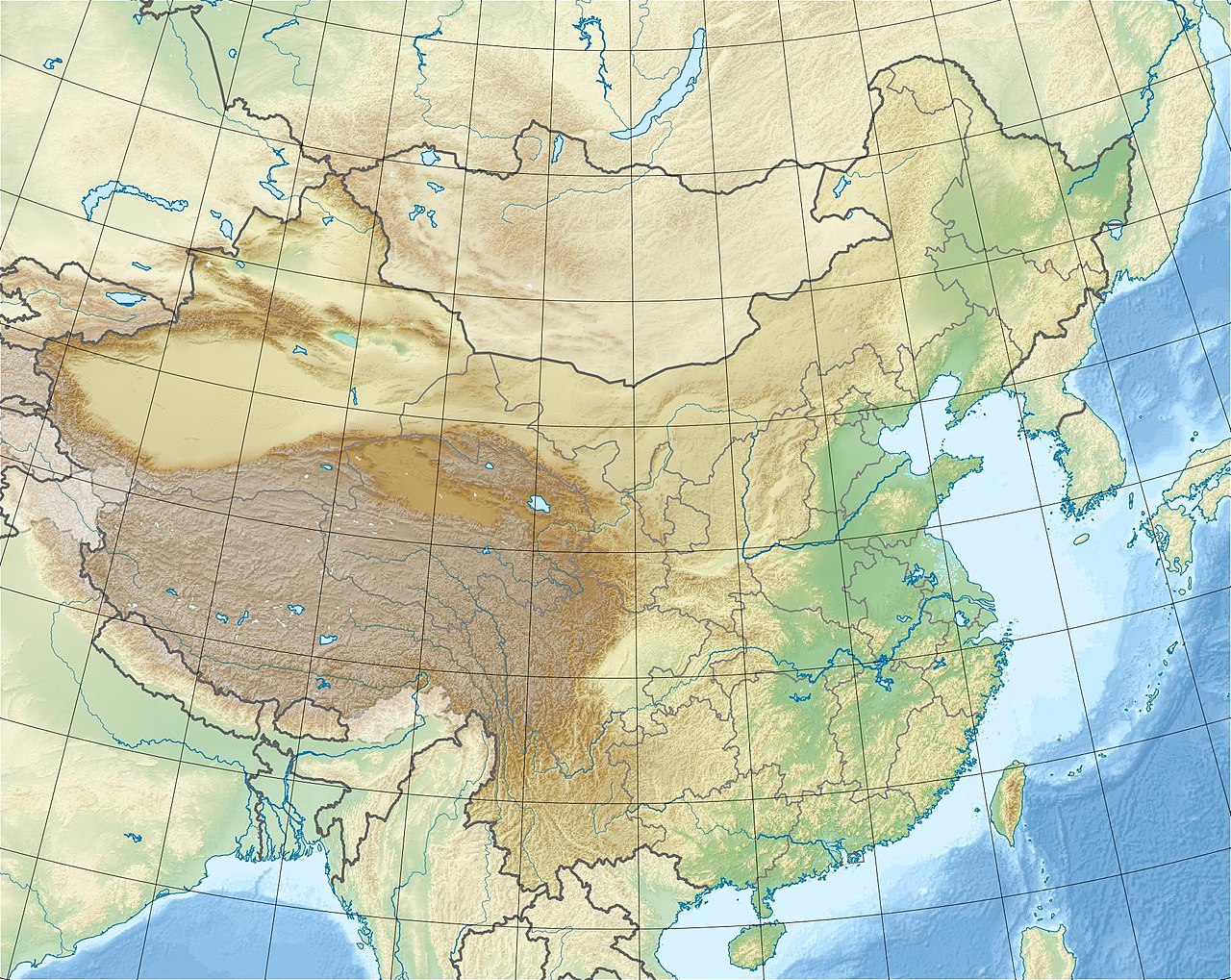
K2 stands on a rugged, glaciated massif of steep, icy ridges and towering faces. Its slopes are highly technical, with frequent sections of rock, ice and mixed climbing at high altitude. The peak lies near the boundary between Pakistan and China in the Karakoram, within a complex of glaciers and high passes. Climbers face long approaches, abrupt weather changes, and objective hazards such as avalanches and unstable seracs. The mountain's dramatic profile and steep lines distinguish it from higher-but-less-technical peaks in the region; it is often contrasted with Mount Everest for its comparatively greater technical challenge.
Climbing history
Attempts on K2 intensified in the early 20th century. The first successful ascent of the summit was made in 1954 by two Italian climbers, Lino Lacedelli and Achille Compagnoni, who reached the summit after a long, difficult expedition. Many subsequent expeditions have followed, opening routes such as the Abruzzi Spur (the most commonly used) and other lines on the north and east faces. K2 remained unclimbed in winter for many decades; that status changed only recently when a winter ascent was successfully completed in January 2021 by a team of climbers, marking a major milestone in high-altitude mountaineering.
Risks, reputation and statistics
K2 is often nicknamed the "Savage Mountain" because of its reputation for difficulty and danger. Objective dangers—severe storms, extremely cold temperatures, technical ice and rock sections, and sudden avalanches—contribute to a high fatality rate compared with other eight-thousanders. Historically the ratio of deaths to successful summiters has been unusually high; for many years K2 had one of the largest percentages of fatalities among climbers attempting an 8,000‑metre peak. Far fewer people have stood on K2's summit than on Everest: by the early 21st century only a few hundred climbers had reached the top, and dozens had died trying.
Significance and notable facts
- Names: known locally as Chhogori and sometimes called Mount Godwin-Austen; "K2" derives from the Karakoram survey labels.
- Range and setting: part of the greater Karakoram range, a region of some of the world's highest and most glaciated peaks.
- Technical climbing: steep, exposed sections and mixed terrain make most routes more technical than the standard routes on many other 8,000‑metre peaks.
- Historic milestones: the first ascent in 1954 by Italian climbers is a landmark; the first confirmed winter ascent occurred in January 2021 after decades of winter attempts.
Because of its location, technical demand and extreme weather, K2 remains an emblem of high‑altitude mountaineering that draws both admiration and caution. For further reading and expedition information consult regional climbing guides, historical accounts and reputable mountaineering organizations (see resources: general overview, mountain data, world peak lists, range studies, regional geology, survey archives, comparative analyses, summit records, historic expeditions).
Questions and answers
Q: What is K2?
A: K2 is the second highest mountain in the world, located in Pakistan and part of the Karakoram range.
Q: How did K2 get its name?
A: The name K2 came from the first survey of Karakoram, where each mountain was given a label of "K" followed by a number.
Q: Why is K2 known as the Savage Mountain?
A: K2 is known as the Savage Mountain because it is very hard to climb and has the second-highest fatality rate among the eight-thousand-metre mountains.
Q: How does K2 compare to Mount Everest in terms of climbing difficulty?
A: K2 is considered to be harder to climb than Mount Everest.
Q: How many people have climbed to the top of K2 as of 2011?
A: As of 2011, only 300 people have climbed to the top of K2.
Q: How many people have died trying to climb K2?
A: At least 80 people have died trying to climb K2.
Q: Has K2 ever been climbed during the winter?
A: No, K2 has never been climbed during the winter.
Related articles
Author
AlegsaOnline.com K2 (Chhogori / Mount Godwin-Austen) — the Karakoram's Savage Mountain Leandro Alegsa
URL: https://en.alegsaonline.com/art/51830
Sources
- peakbagger.com : "K2"
- skardu.pk : "K2 Chhoghori The King of Karakoram"
- academic.eb.com : "K2"
- usatoday30.usatoday.com : "Russian team to try winter climb of world's 2nd-highest peak"
- businessinsider.com : "At least 11 people died on Mount Everest last week. But it's just the 10th-deadliest mountain in the Himalayas"
- economist.com : "Stairway to heaven"
- urdu.changathi.com : "Convert Roman into Urdu Script"
- tribune.com.pk : "Place names – II"
- publications.americanalpineclub.org : "A Note on the Chinese Name for K2, "Qogir""
- cia.gov : Pakistan
- publications.americanalpineclub.org : "Balti Place Names in the Karakoram"
- hermetic.com : "Confessions of Aleister Crowley, Chapter 16"
- k2climb.net : "A timeline of human activity on K2"
- bbc.com : "Amir Mehdi: Left out to freeze on K2 and forgotten"
- publications.americanalpineclub.org : "K2: The End of a 40-Year American Quest"