
Jurassic Park: novel, film, and cultural legacy
Overview of Michael Crichton’s Jurassic Park: the 1990 science-fiction novel, its 1993 film adaptation, major themes, scientific issues, cultural impact and ongoing legacy.
Overview
Jurassic Park began as a 1990 science-fiction novel by Michael Crichton and quickly became a landmark in popular culture. The book—often described as a modern cautionary tale about technology—imagines the recreation of living dinosaurs through genetic engineering and their display in a commercial theme park. Readers encountered a mixture of suspense, speculative science, and moral questions that propelled the story beyond a simple adventure. The original book is widely referred to as the novel, and it sits firmly within the broader tradition of speculative science fiction.
Image gallery
10 Images


Themes and literary influences
At its center, the story explores human hubris, the ethics of experimentation, and unpredictable natural forces—ideas that echo earlier works of speculative fiction. Critics and readers have noted affinities with nineteenth‑century adventure and science tales such as those by H. G. Wells and adventure novels like Conan Doyle's The Lost World. The novel also popularized a non‑linear kind of ecological warning: it evokes "going back in time" by restoring extinct animals without literal time travel, using contemporary biotechnology as the plot device.
Adaptation and popular impact
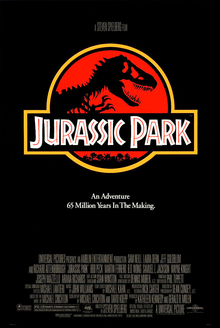
Crichton’s book was adapted into a major motion picture released in 1993. The film adaptation—often called the movie—was directed by Steven Spielberg and brought the story to a global audience. The transition from page to screen involved new approaches to visual effects and animatronics, and the film's success established a long‑running multimedia franchise that includes sequels, tie‑in merchandise, museum exhibits, and theme‑park attractions.
Notable consequences of that success include:
- Advances in cinematic visual effects and realistic creature design.
- Increased public interest in dinosaurs, paleontology, and genetics.
- A commercial franchise spanning films, novels, games, and exhibits, all extending the original premise.
Scientific accuracy and debate
While thrilling, the story simplifies complex subjects such as genetics, extinction, and animal behavior. Paleontologists and science communicators have pointed out inaccuracies—most famously the depiction of some dinosaurs without feathers and the oversimplified mechanics of cloning—yet the book and film have also encouraged curiosity about real science. The original publication and its reception are documented in many popular summaries and studies; readers often consult sources about the book's publication history and cultural effects, including notes on when it was first published.
Legacy
Jurassic Park endures as both entertainment and a cultural touchstone that raises persistent questions about responsibility in science. It influenced how cinematic dinosaurs are imagined and how the public thinks about de‑extinction and genetic technology. For further background on the novel, film, and their contexts, see dedicated pages on the book and the 1993 film: film overview and other related resources available through critical and fan sites.
Whether approached as a thriller, a speculative warning, or a piece of blockbuster cinema, Jurassic Park remains a widely discussed example of how fiction can shape conversations about science, ethics, and the unforeseen consequences of human ingenuity.
Related articles
Author
AlegsaOnline.com Jurassic Park: novel, film, and cultural legacy Leandro Alegsa
URL: https://en.alegsaonline.com/art/51717