
Kama Sutra: Ancient Indian Treatise on Love, Desire, and Social Conduct
Overview of the Kama Sutra, the classical Sanskrit work attributed to Vātsyāyana; its contents, historical context, cultural influence, and common misconceptions.
The Kama Sutra (Sanskrit: कामसुत्र), often spelled Kamasutra in the West, is a classical Sanskrit text traditionally attributed to the sage Vātsyāyana. It treats kama — broadly translated as desire, including erotic love and pleasure — as one of the legitimate aims of human life. While famous in popular imagination for its descriptions of sexual positions, the work is wider in scope and addresses the art of living, courtship, marriage, relationships and social etiquette.
Image gallery
10 Images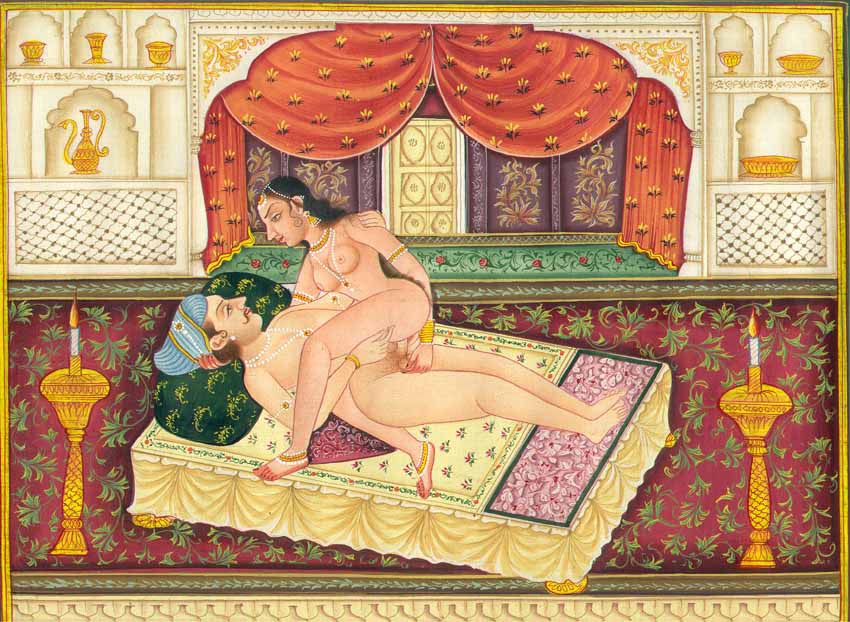


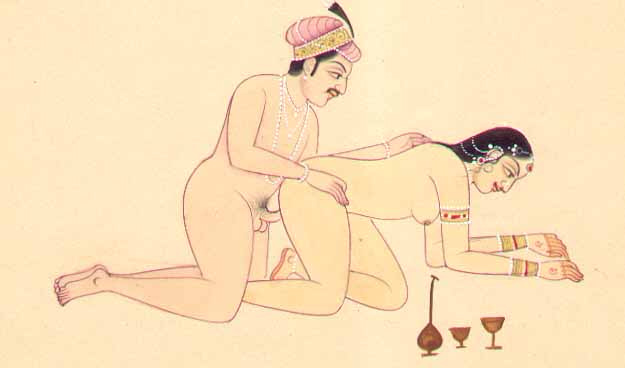


Contents and themes
The text is traditionally organized into several books that together cover a range of topics. Its themes include:
- Principles and goals of desire and personal conduct.
- Practical advice on finding and keeping a partner, including courtship and marriage.
- Descriptions of sexual practices and intimacy — offered in the context of mutual pleasure and social norms.
- Roles and behaviour of different social figures, such as householders and courtesans.
The Kama Sutra blends aphoristic statements, illustrative anecdotes and prescriptive passages. It is as much a social handbook and guide to relationships as it is a treatise on erotic technique.
History and transmission
Scholars date the composition of the Kama Sutra to antiquity; estimates commonly place its compilation in the early centuries of the Common Era. The work survives in multiple manuscript traditions and has been the subject of commentary by later scholars. Its appearance in Europe in the 19th century — including an influential English translation that provoked controversy — shaped modern Western perceptions of the text.
The Kama Sutra occupies an important place in the broader corpus of Sanskrit literature and in discussions of love and desire. Modern readers and researchers use critical editions, translations and historical commentaries to understand it in cultural and philosophical context rather than as a mere manual.
Notable facts: the text is frequently misunderstood as solely a catalogue of sexual positions, whereas it situates erotic life within ethics, social roles and the other traditional aims of life. Its reception has varied widely across cultures and eras, from reverence and study to censorship and sensationalism.
Related articles
Author
AlegsaOnline.com Kama Sutra: Ancient Indian Treatise on Love, Desire, and Social Conduct Leandro Alegsa
URL: https://en.alegsaonline.com/art/52018
Sources
- indrasinha.com : Common misconceptions about Kama Sutra.
- commons.wikimedia.org : Kama Sutra