
Ziziphus (jujube): a genus of shrubs and trees producing edible fruit
Ziziphus is a genus of about 40–50 shrubs and small trees in the buckthorn family (Rhamnaceae), known for edible jujube fruits, traditional medicinal uses and wide cultivation in warm regions.
Overview
Ziziphus is a genus of woody plants in the buckthorn family (Rhamnaceae) that includes roughly 40–50 species of shrubs and small trees. Members of the genus are commonly called jujubes or ziziphus and are grown both for their fruit and as ornamental or hedge plants. Several species have been cultivated for centuries in Asia and other warm regions of the Old World.
Image gallery
10 Images





Botanical characteristics
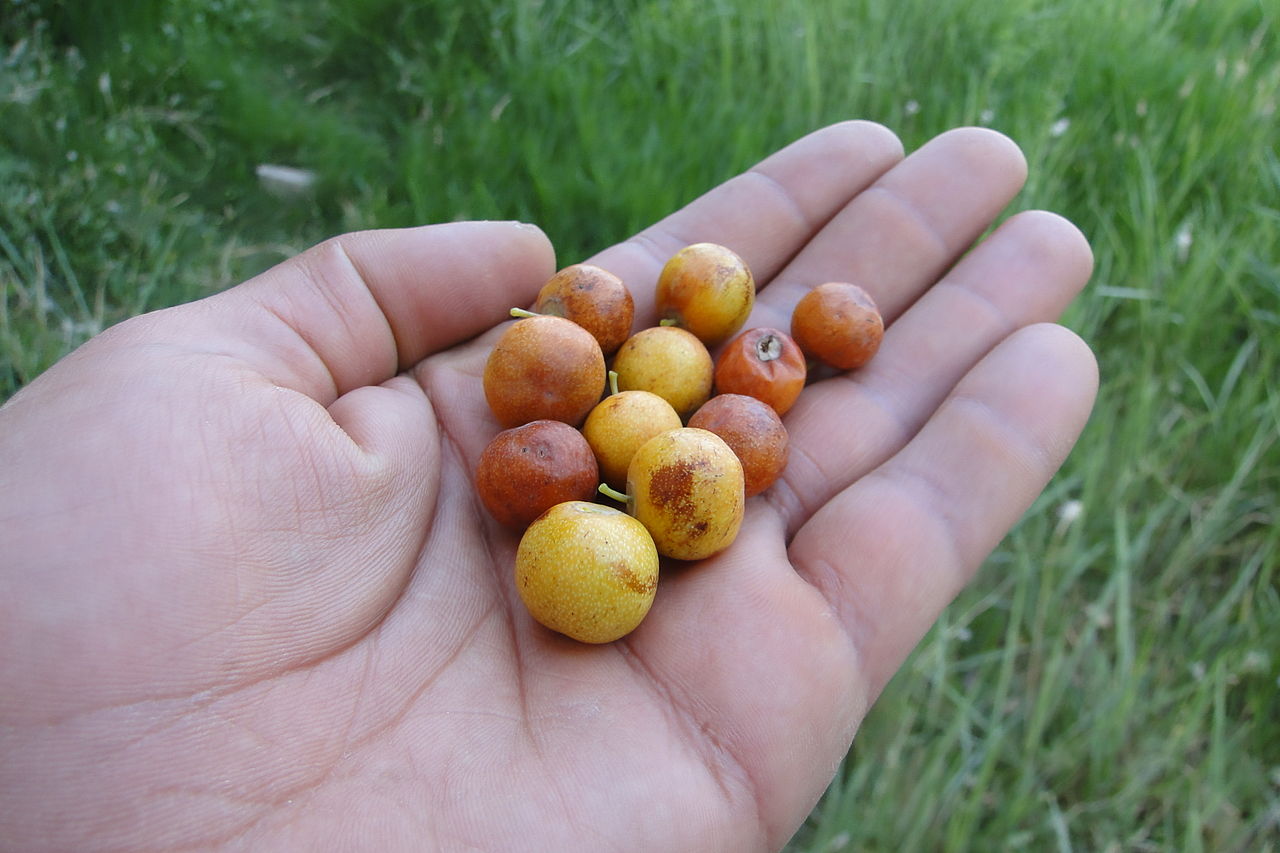
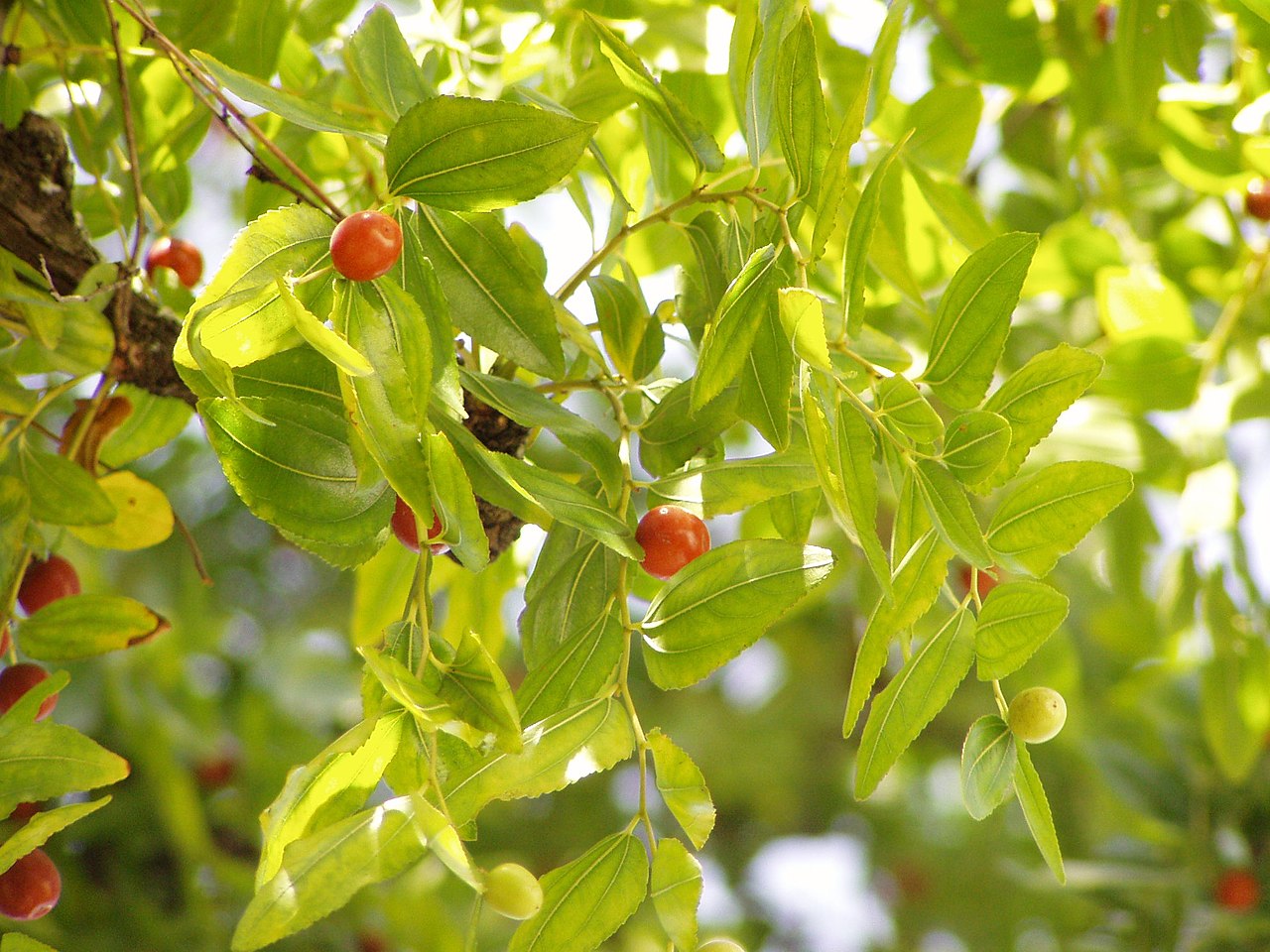
Ziziphus species typically have simple, alternate leaves with three conspicuous veins from the base and small, five-petaled flowers produced in clusters. Many species bear stout, paired or single spines on branches. The fruit is a drupe (often called a jujube or red date) with a single hard stone and fleshy pulp; texture and flavor vary widely between species and cultivars.
Species, distribution and history
Notable species include Ziziphus jujuba (Chinese jujube), Ziziphus mauritiana (Indian jujube or ber) and Ziziphus spina-christi (Christ's thorn jujube). Native ranges are principally warm-temperate to tropical regions of Asia, Africa and Australasia, and many species have been brought into cultivation or naturalized elsewhere. Cultivation of jujubes in China and neighboring areas dates back several millennia, where the fruit became an established part of cuisine and traditional medicine.
Uses and cultural importance
The fruits are eaten fresh, dried, candied or processed into beverages and preserves. In various culinary traditions they are referred to as jujube, Chinese date or red date; they are valued for their sweet flavor when ripe and for their storage qualities when dried. Beyond food uses, different parts of the plant have been used in traditional medicine, and some species are valued for timber, fodder and erosion control.
Cultivation and practical notes
Ziziphus species are generally hardy in warm climates and tolerate a range of soils, often preferring well-drained sites and full sun. Many commercial and home growers select cultivars for larger fruit, sweetness, or resistance to local pests. When researching edible varieties, look for information specific to the species and cultivar because texture and drying behavior can differ markedly: for example, Z. jujuba fruits often dry to a sweet, wrinkled form, while tropical Z. mauritiana produces firmer, juicy fruits.
Further information
- General plant guides and horticultural sources: fruit and cultivation references
- Regional floras and distribution records: Asian and Old World occurrences
Related articles
Author
AlegsaOnline.com Ziziphus (jujube): a genus of shrubs and trees producing edible fruit Leandro Alegsa
URL: https://en.alegsaonline.com/art/110662
Sources
- tropicos.org : "Ziziphus Mill"
- ars-grin.gov : "Ziziphus Mill"