
Juba II of Mauretania: Roman-era client king and cultural patron (c. 50 BC–AD 23)
Juba II of Mauretania (c.50 BC–AD 23), a Roman client king married to Cleopatra Selene II, who promoted urban development, scholarship and a Greco‑Roman cultural blend in North Africa.
Overview
Juba II (born c. 52/50 BC, died AD 23) was a client king who ruled parts of North Africa during the early Roman Empire. He is best known for his long reign in the region and his connection by marriage to the Ptolemaic dynasty of Egypt. His rule helped stabilise Roman influence in the western Mediterranean after the civil wars of the late Republic.
Image gallery
10 Images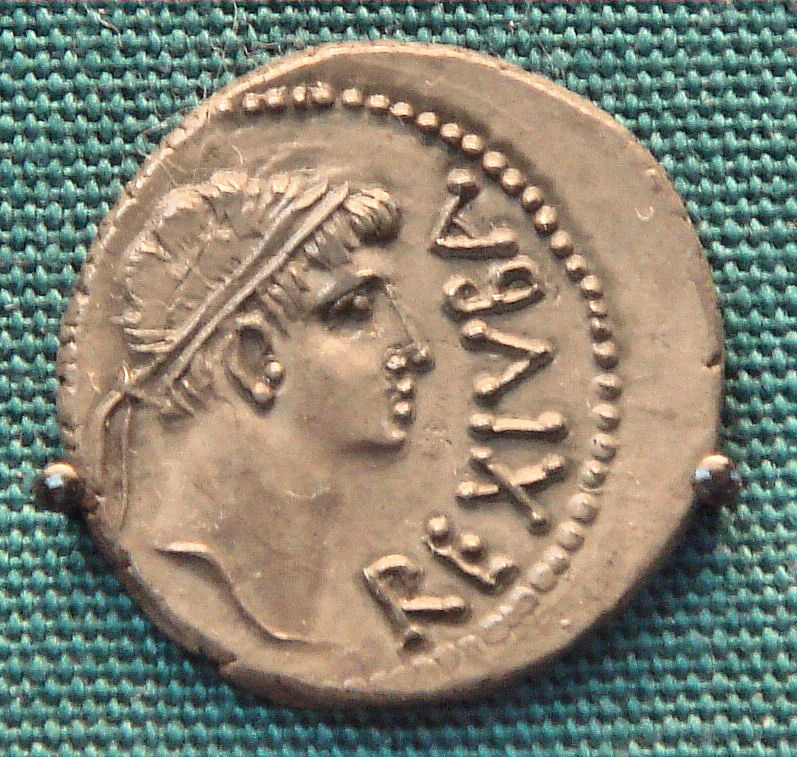



Early life
Juba II was the son of Juba I, the king who opposed Julius Caesar in the African campaigns. After his father's defeat, the young Juba was taken to Rome, where he grew up and received a Roman education. As an adult he became a Roman client ruler, a status that combined local authority with allegiance to the emperor in Rome.
Reign
Originally associated with the kingdom of Numidia, Juba II later became king of Mauretania under Roman auspices. During his rule he encouraged urban development and commerce, and the capital at Caesarea (modern Cherchell) flourished as an administrative and cultural centre. Ancient writers attribute to him an interest in scholarship and in the natural world; several literary and scientific works were ascribed to him, though only fragments and references survive.
Marriage and family
Juba II married Cleopatra Selene II, the daughter of Queen Cleopatra VII of Egypt and the Roman triumvir Mark Antony. The marriage linked him to one of the most prominent royal lines of the eastern Mediterranean and produced heirs who continued to rule in Mauretania after his death.
Death and legacy
Juba II died in Mauretania in AD 23. He is remembered for blending Hellenistic, Roman and North African influences in his court and for promoting learning and architecture in his kingdom. Later historians and numismatists study his coinage and the surviving accounts to reconstruct his policies and cultural impact.
Related articles
Author
AlegsaOnline.com Juba II of Mauretania: Roman-era client king and cultural patron (c. 50 BC–AD 23) Leandro Alegsa
URL: https://en.alegsaonline.com/art/51389