
Judith, Countess of Flanders
Frankish princess Judith (c.844–c.870), twice queen-consort of Wessex and later wife of Baldwin Iron Arm; her marriages linked Carolingian and early Flemish dynasties.
Overview
Judith (c. 844–c. 870) was a West Frankish princess who became a prominent figure in ninth-century northwest Europe. Born into the Carolingian royal house, she is best known for serving twice as queen-consort in the English kingdom of Wessex and later becoming the spouse of Baldwin Iron Arm, a founder of the line that became the counts of Flanders. Her life illustrates how dynastic marriages shaped politics between what are now France, England and the Low Countries.
Image gallery
6 Images
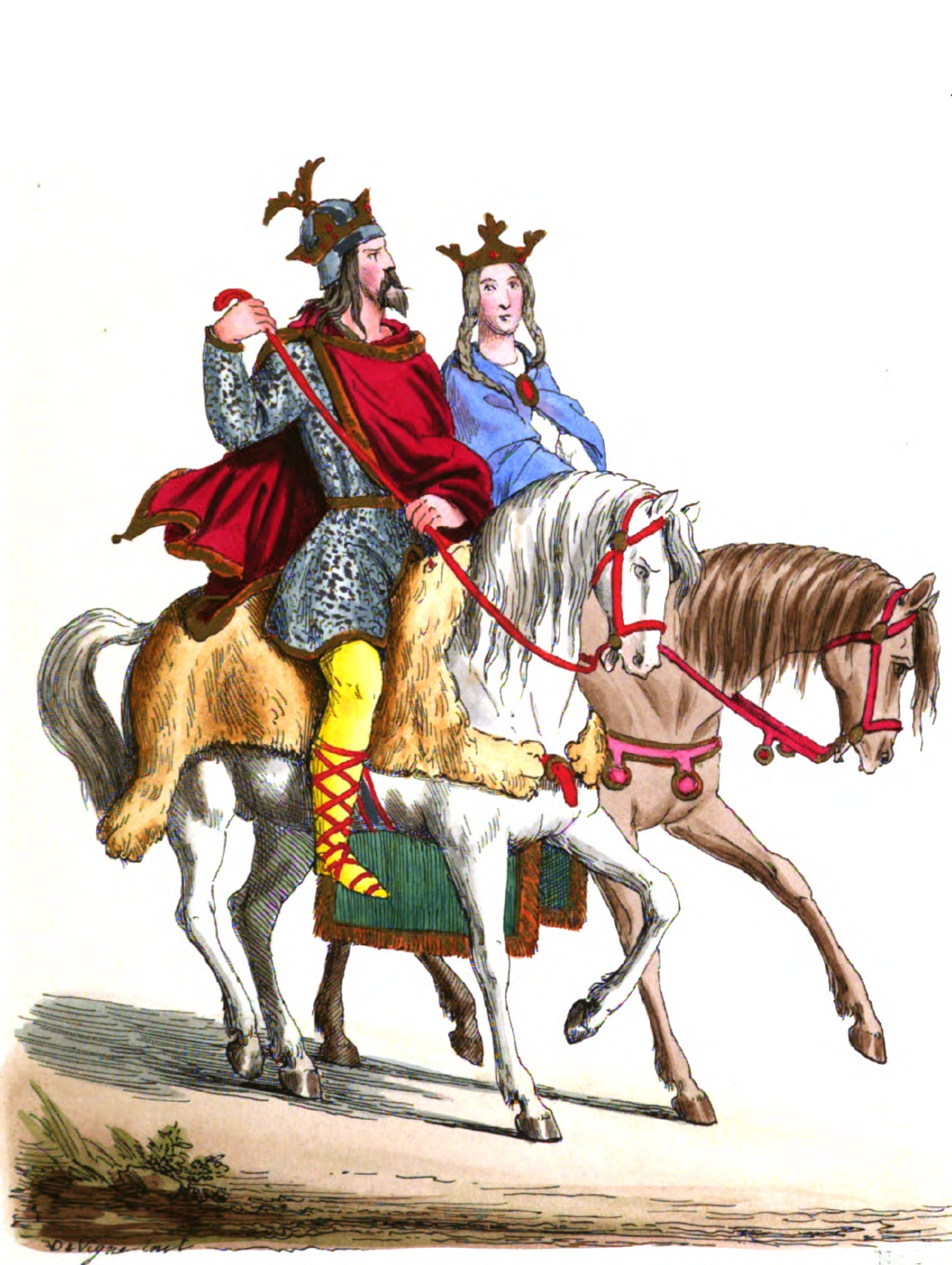
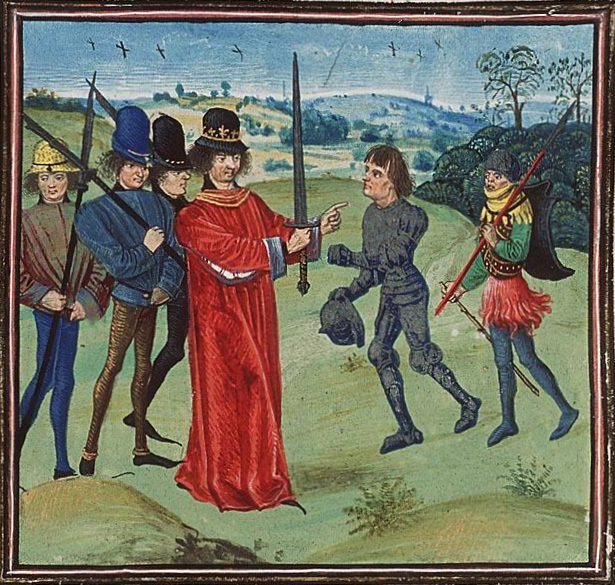


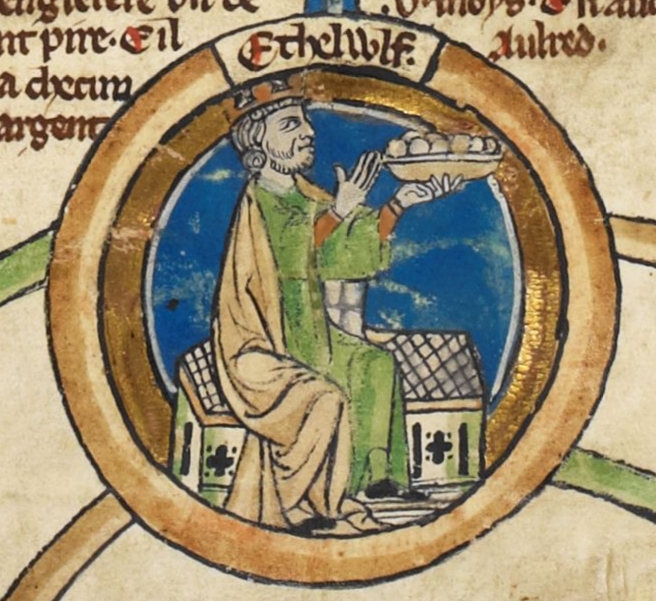
Origins and family
Judith was a member of the Frankish royal family and her parentage placed her at the heart of Carolingian dynastic diplomacy. As a royal daughter she was a diplomatic asset: her marriages linked ruling houses and were arranged to secure alliances, prestige and mutual protection in an era of shifting loyalties and Viking raids.
Marriages and political role
In the mid-850s Judith married the West Saxon king Æthelwulf, becoming queen-consort of Wessex. After his death she controversially became the wife of his son Æthelbald, a union that contemporary chroniclers treated as scandalous but which also reflected pragmatic concerns about succession and power in Wessex. These episodes show how a royal bride could influence succession and diplomacy between England and the Continent. See more on her English connections at Wessex.
Countess of Flanders and later years
After returning to Frankish lands, Judith contracted a third marriage with Baldwin Iron Arm. That union was initially opposed by some members of the Frankish court, and the couple sought outside support to secure their position. Baldwin acquired territory and authority on the coastal frontier that would be recognized as the core of the County of Flanders; through this marriage Judith is credited with providing Carolingian legitimacy to a new local dynasty. Her status as Countess of Flanders linked continental and insular aristocracies.
Legacy and notable facts
Judith's importance lies less in personal rule than in dynastic consequences. Her descendants continued the Flemish comital line, and her marriages exemplify the role of royal women in forging cross-Channel ties. Notable points:
- She connected the Carolingian court with the Anglo-Saxon kingdom of Wessex and the emerging polity of Flanders.
- Her marriages were politically consequential and sometimes controversial in contemporary sources.
- Through her offspring, she helped establish a hereditary comital house that influenced medieval northern Europe.
Questions and answers
Q: Who was Judith of Flanders?
A: Judith of Flanders was a member of the Frankish Royal family and twice Queen of Wessex, and by her third marriage Countess of Flanders.
Q: What was her birth year?
A: Judith of Flanders was born around 844.
Q: What was her death year?
A: Judith of Flanders died around 870.
Q: How many times was she queen of Wessex?
A: Judith of Flanders was twice Queen of Wessex.
Q: What was her third marriage status?
A: By her third marriage, Judith of Flanders became the Countess of Flanders.
Q: Was she also known as Judith of the Franks?
A: Yes, Judith of Flanders was also known as Judith of the Franks.
Q: What was her title as Countess of Flanders?
A: After her third marriage, Judith of Flanders held the title of Countess of Flanders.
Related articles
Author
AlegsaOnline.com Judith, Countess of Flanders Leandro Alegsa
URL: https://en.alegsaonline.com/art/51434