
Jubal A. Early: Confederate General and Postwar Advocate
Overview of Jubal A. Early (1816–1894), his military role as a Confederate corps commander under Robert E. Lee, 1864 raid into the North, and his postwar activities as a defender of the Confederacy.
Jubal Anderson Early (1816–1894) was a senior Confederate commander best known for his aggressive leadership in the Shenandoah Valley and for leading a 1864 incursion toward the federal capital. A prominent corps commander in the Army of Northern Virginia, Early became a controversial figure both for his wartime conduct and for his energetic promotion of the Confederate cause after the war.
Image gallery
9 Images

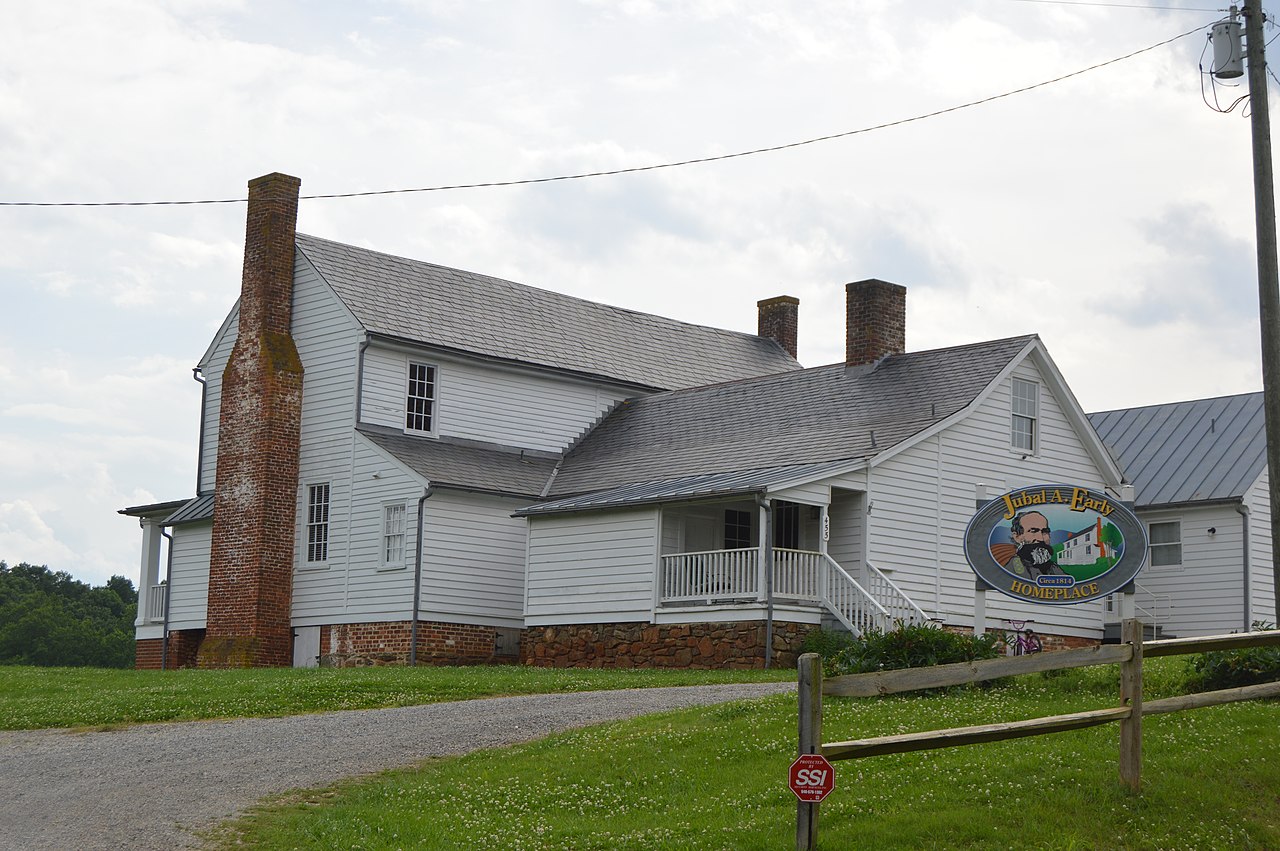


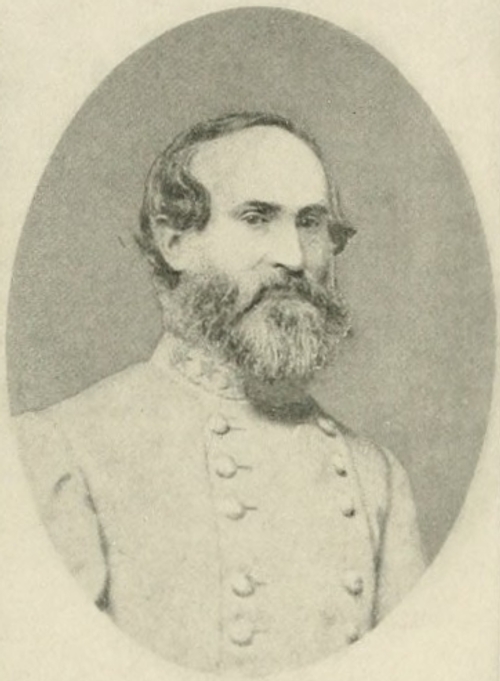

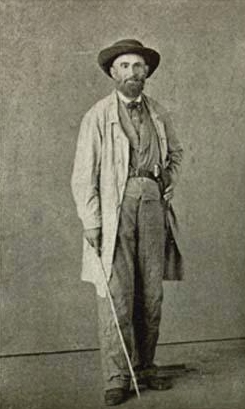
Origins and prewar life
Early was born in Virginia and received formal military training before pursuing a civilian career. He combined military experience with work in law and public affairs in the antebellum years, a background that shaped his later rapid rise in Confederate service when the American conflict began in 1861.
Civil War service
Early served as a division and then corps commander under Robert E. Lee in campaigns in the Eastern Theater. He fought in several major engagements and gained particular notice for operations in the Shenandoah Valley. In 1864 he led a campaign that crossed into Union territory, aiming to threaten Washington and divert Union forces from Richmond. That campaign included the engagement at Monocacy—where Union resistance delayed his advance—and skirmishing near the defenses of the capital. These actions formed part of the larger conflict of the American Civil War.
Characteristics and command style
Contemporaries and later historians described Early as bold and determined, often willing to accept risk for potential strategic gains. His troops were noted for tenacity in the field. Critics accused him of harshness in occupied areas; supporters praised his ability to sustain pressure on numerically superior opponents.
Postwar life and legacy
After the Confederacy’s defeat, Early spent time abroad before returning to the United States. He became a leading and vocal proponent of the Lost Cause interpretation of the war, defending the Southern cause, celebrating Confederate leaders, and criticizing Reconstruction policies. Through speeches, articles and personal advocacy he helped shape public memory of the conflict for a generation. His postwar work remains controversial for its role in promoting revisionist narratives about slavery and the war.
Notable engagements and lasting significance
- Shenandoah Valley campaigns and operations disrupting Union supply lines.
- 1864 raid into the North that threatened Washington and forced Union troop movements.
- Postwar writings and public statements that influenced Southern memory of the war and became part of broader debates over commemoration.
As a military commander, Early is remembered for aggressive action and for stretching Confederate resources at critical moments. As a public figure after 1865, he remains important for understanding how Civil War memory was contested and constructed. For additional context on the forces and institutions of his era, see links to the Confederate service structure and broader studies of the war at national conflict summaries.
Related articles
Author
AlegsaOnline.com Jubal A. Early: Confederate General and Postwar Advocate Leandro Alegsa
URL: https://en.alegsaonline.com/art/51391
Sources
- civilwar.org : "Jubal Early Lieutenant General November 3, 1816 – March 2, 1894"
- encyclopediavirginia.org : "Jubal A. Early (1816–1894)"