
Judas Iscariot
One of Jesus' Twelve disciples traditionally identified as the betrayer; remembered for the thirty pieces of silver, differing death accounts, and long-standing religious and cultural significance.
Judas Iscariot is one of the most discussed figures in the New Testament. Named among the Twelve disciples chosen by Jesus, he is best known from the Gospel narratives as the disciple who handed Jesus over to the religious authorities, an act commonly called the betrayal. His actions are central to the Passion narratives and have been interpreted variously as an act of greed, of political calculation, of demonic influence, or as part of a providential plan.
Image gallery
10 Images
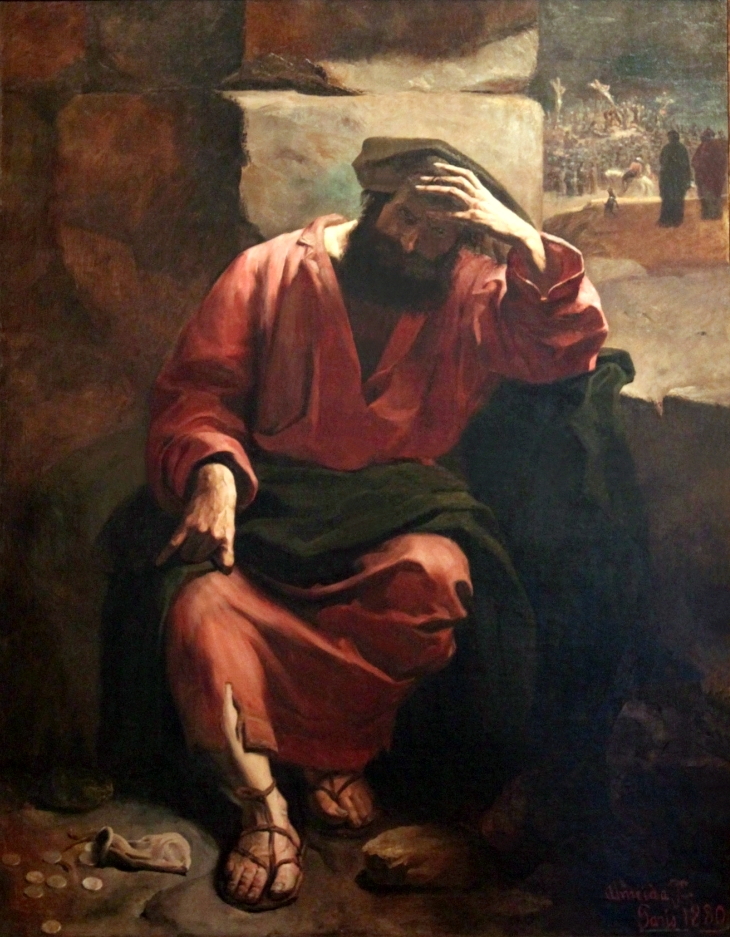


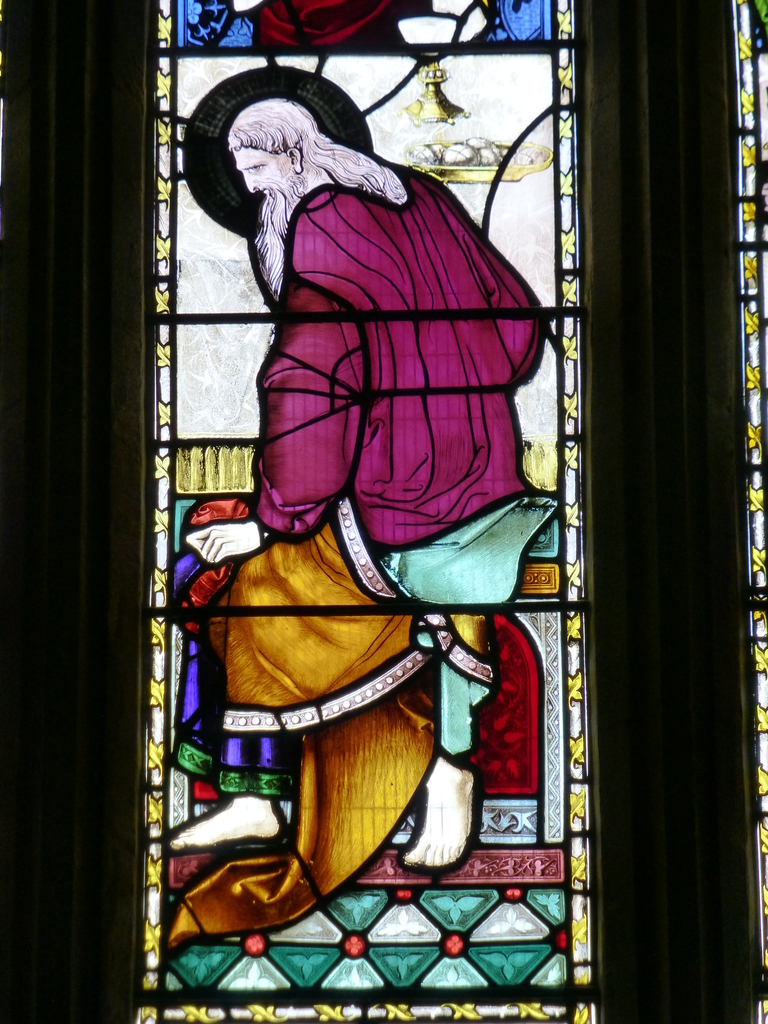
Name and identity
The surname "Iscariot" is usually rendered as "man of Kerioth," which would indicate a place of origin and suggest he may have been the only one of the Twelve from the southern region of Judea. Scholars also note that the name has been compared, with caution, to terms associated with certain militant groups of the period, though such links remain debated and uncertain. The Gospels also sometimes identify him simply as "Judas," a common Jewish name in the first century.
Role among the disciples
Several Gospel passages describe Judas as having responsibility for the common purse or the group's money, often translated as treasurer. This role appears alongside descriptions of his having access to funds and to the inner circle of Jesus' followers. The Evangelist John, in particular, draws attention to his function with money in the narrative context of the anointing at Bethany.
Canonical accounts of the betrayal
All four canonical Gospels report that Jesus foretold a betrayal at the Last Supper and that Judas carried out the act of identifying Jesus to the temple authorities. The common elements across accounts include the arrangement with the chief priests, the payment commonly described as thirty pieces of silver, and the act of leading a detachment of guards to arrest Jesus. In the synoptic tradition the identifying sign is a kiss given by Judas in the Garden of Gethsemane, while the Gospel of John emphasizes the influence of Satan in Judas' decision and places different narrative emphases on timing and motive.
- Matthew: links the payment of thirty pieces of silver with Judas' remorse, his attempt to return the money, and his suicide by hanging; Matthew also reports that the money was used to buy a burial ground for strangers.
- Mark and Luke: narrate the arrangement between Judas and the temple authorities and situate the arrest in the Garden of Olives (Gethsemane), describing the kiss as the sign but omitting Matthew's particular details about the use of the silver.
- John: identifies Judas by name earlier in the narrative and frames his act within a theological account that attributes the initiative in part to Satanic influence while maintaining the coherence of the larger salvific story.
- Acts: preserves a different tradition about Judas' death, describing a fall and a violent end in a field; the account has been read in various ways by ancient and modern interpreters attempting to reconcile the traditions.
Death and its variants
The New Testament presents more than one tradition concerning Judas' death, which has long been noted by readers and scholars. Matthew reports a remorseful return of the silver and suicide by hanging; Acts recounts a death involving a fall in a field bought with the proceeds. Early interpreters offered harmonizing readings, while modern scholarship often treats the accounts as reflecting different early traditions preserved by different communities.
Motives and theological interpretations
Motivations ascribed to Judas in the texts include greed (the exchange of money), coercion or temptation by demonic forces, and the inscrutable demands of a larger divine purpose. Over the centuries theologians have debated Judas' moral responsibility, whether he acted freely or under compulsion, and how his deed fits within doctrines of providence and salvation. Noncanonical works, most notably the Gnostic text known as the Gospel of Judas, offer alternative portrayals that have informed modern reassessments but remain separate from the canonical tradition.
Aftermath and the replacement
Following reports of Judas' death, the remaining Eleven apostles met and took steps to restore their number. The Acts narrative describes the selection of Matthias to join the Twelve, a choice that illustrates the early community's concern for continuity and apostolic witness. Discussions of Judas' role in early Christian memory also reflect tensions about culpability, leadership, and the origins of the church.
Historical context and scholarship
Historical study places the events within the political, social, and religious complexities of first-century Judea, where tensions between Jewish authorities, popular movements, and Roman governance created volatile situations. Scholars examine the Gospel texts as theological narratives shaped by differing community memories and editorial aims. While historical reconstruction faces limits, critical study emphasizes careful comparison of sources, attention to literary shaping, and awareness of how later tradition influenced retellings.
Legacy and cultural impact
Judas' name has become a byword for betrayal in many languages and cultures. Artists, writers, and musicians have depicted him in widely varying ways—from villain to tragic figure to symbol of misunderstood loyalty—reflecting broader debates about guilt, forgiveness, and fate. His story continues to provoke discussion in religious, historical, and ethical contexts.
For further reference within scriptural and scholarly contexts see materials on the list of apostles, studies of Jesus, the four Gospels, the New Testament, analyses of the betrayal, resources on the Roman setting of Judea, discussions of the thirty pieces of silver, surveys of the various accounts of Judas' death, treatments of the Last Supper, and studies focused on Matthew, Luke, the Mount of Olives narratives, comparative readings such as the Gospel of Matthew and the book of Acts.
Questions and answers
Q: What was Judas Iscariot's last name?
A: His last name was Iscariot, which means "Man of Kerioth".
Q: How is Judas described in the New Testament?
A: He is described as having betrayed Jesus for money, then killing himself. He is said to have been the treasurer for the apostles.
Q: How much money did the chief priests pay Judas for his help?
A: The chief priests paid Judas thirty pieces of silver for his help.
Q: What did Judas do with the money he received from the priests?
A: Due to a great sense of guilt, Judas tried to give back the silver but was unable to undo what he had done. He then threw it into the temple and committed suicide. According to Matthew, he used it to buy a field for himself but died there shortly after.
Q: Who replaced Judas as one of Jesus' disciples?
A: After Judas died, another man named Matthias was chosen by Jesus' other disciples to take his place as one of 12 original disciples.
Q: When did Jesus tell his disciples that one of them would betray him?
A: At The Last Supper, Jesus told his disciples that one of them would betray him.
Q: How did Judas help identify Jesus so that he could be arrested by the chief priests?
A: While Jesus was praying on The Mount of Olives, Judas brought along with him the chief priests and their men and kissed him so they could know who he was and arrest him.
Related articles
Author
AlegsaOnline.com Judas Iscariot Leandro Alegsa
URL: https://en.alegsaonline.com/art/51403
Sources
- barnes.biblecommenter.com : barnes.biblecommenter.com