
Rakhine State (Arakan): geography, history and contemporary overview
Rakhine State (Arakan) is a coastal region in western Myanmar bordering Bangladesh and the Bay of Bengal. This article summarizes its geography, peoples, history, economy, environment and recent challenges.
Overview
Rakhine State, historically known as Arakan, lies on the western coast of Myanmar along the Bay of Bengal. It shares a land border with neighboring Bangladesh and has a long coastline, islands and a mix of lowland plains and rugged hills. Sittwe is the administrative capital and largest town.
Image gallery
10 Images



Geography and environment
The region includes coastal plains bounded inland by a north–south mountain chain often called the Arakan or Rakhine Yoma. Rivers draining from the hills flow westward to the sea; mangrove forests and estuaries occur along parts of the shoreline. The climate is tropical monsoon, with heavy seasonal rainfall and a distinct dry season.
History and identity
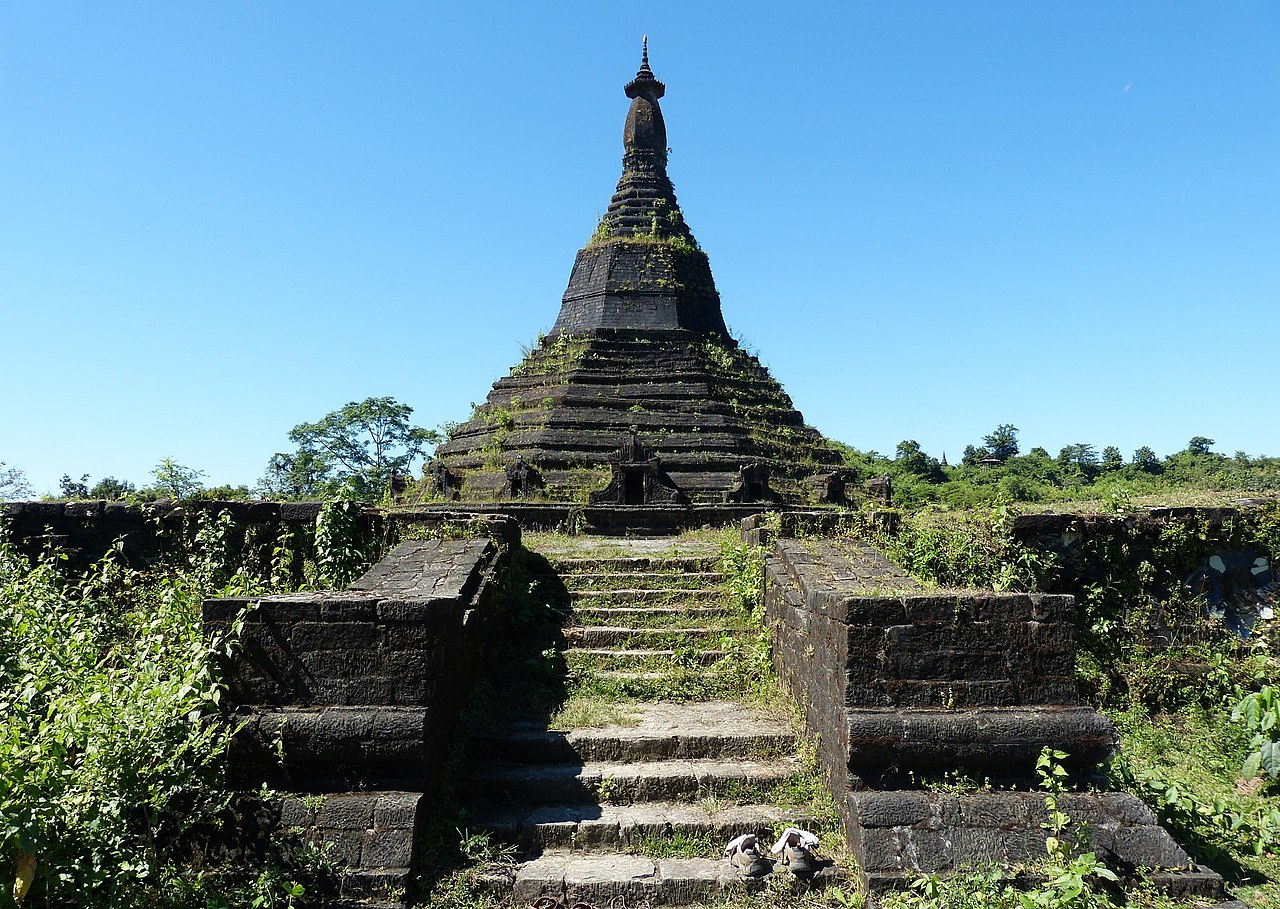
Rakhine has a long recorded history as an independent coastal polity and a center of maritime trade in the Bay of Bengal. Medieval kingdoms, often referred to collectively as Arakan, left archaeological remains at sites such as Mrauk-U. In the 19th century the territory came under British colonial administration and was later incorporated into independent Myanmar.
People, language and culture
The state is ethnically and religiously varied. The Rakhine (Arakanese) Buddhist community forms a major part of the population alongside other groups, including Muslim communities commonly described as Rohingya in parts of the state. Local culture blends Buddhist and coastal maritime traditions visible in temple architecture, festivals and handicrafts.
Economy and natural resources
Economic activity centers on agriculture (notably rice), fishing, forestry and small-scale trade. Coastal resources and offshore hydrocarbon exploration have drawn investment interest, while limited infrastructure and seasonal weather patterns shape livelihoods. The region also contains important coastal ecosystems that support fisheries and biodiversity.
Contemporary issues and significance
Rakhine State has been the focus of domestic and international attention in recent decades because of communal tensions, displacement and humanitarian concerns that affect large numbers of civilians. Its strategic position on the Bay of Bengal, cultural heritage sites, and environmental assets make it important both nationally and regionally. For further context, see material about the adjacent country at Bangladesh.
- Alternate name: Arakan (historical)
- Capital: Sittwe
- Key features: coastline, Arakan mountains, ethnic diversity
Related articles
Author
AlegsaOnline.com Rakhine State (Arakan): geography, history and contemporary overview Leandro Alegsa
URL: https://en.alegsaonline.com/art/5164