
Juno (Roman goddess)
Juno, principal Roman goddess, queen of the gods and protector of women, marriage and the state; a complex deity with public cult, private rites, and ties to the Greek Hera.
Overview
Juno occupies a central place in Roman religion as queen of the gods and the principal female deity. She is traditionally regarded as the consort of Jupiter and a guardian of women, especially in marriage and childbirth. As a major civic goddess she was invoked for Rome's well‑being and often honored under formal titles such as Juno Regina. General introductions to her role can be found in summaries of Roman religion: Juno.
Image gallery
10 Images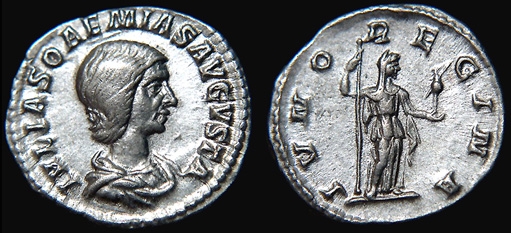





Attributes and functions
Juno's sacred duties include protection of married life (marriage) and assistance in childbirth (childbirth), but she also had political and judicial associations. Iconographically she appears with regal emblems—a diadem, scepter or cloak—and is sometimes accompanied by symbols later associated with the Greek counterpart, such as the peacock. Several epithets reflect different aspects of her power, from sovereign protector to guardian of financial affairs in the form called Moneta.
Cult, temples and festivals
The public worship of Juno included temples on the Capitoline Hill where she formed a triad with Jupiter and Minerva, a grouping important to state ritual. Private and civic observances ranged from rites performed by women to seasonal festivals; one well‑attested occasion honoring Juno was the matronal celebration observed at the start of spring in Rome. Her sanctuaries and priesthoods underlined both domestic and state responsibilities in the city's religion (Rome).
Relation to Greek mythology
Roman Juno was identified with the Greek goddess Hera, wife of Zeus, and many stories and images of Hera were adapted into Juno's cult and literature. Scholars emphasize, however, that Juno was not a simple copy: Roman practice gave her distinct civic roles and local epithets that shaped how worshippers experienced the goddess in Rome and its territories.
Legacy and notable facts
Juno's name survives in cultural and scientific contexts—most familiarly in the month of June and in modern references such as the spacecraft named after her. In antiquity her multiple functions made her one of the most versatile and influential deities in Roman religion, bridging private life and public authority.
For more detailed treatments consult specialized entries on the goddess and related deities: Juno overview, Jupiter, Hera, Zeus, marriage rites, birth customs, Rome, Minerva.
Related articles
Author
AlegsaOnline.com Juno (Roman goddess) Leandro Alegsa
URL: https://en.alegsaonline.com/art/51687
Sources
- britannica.com : "Juno"