
Kalevala: The Finnish National Epic
Kalevala is a 19th-century compilation of ancient Finnic oral poetry that shaped Finnish cultural identity; it contains mythic songs, heroes, and the distinctive Kalevala metre.
Overview
The Kalevala is the national epic of Finland, a stitched-together collection of traditional Finnic songs and poems that became central to Finnish culture and national consciousness. Compiled and edited from oral material by the physician and philologist Elias Lönnrot, the work presents a sequence of mythic narratives, cosmological fragments and heroic adventures rather than a single unified storyline. Because the material was collected across regions, it preserves a variety of themes and layers from different historical periods.
Image gallery
10 Images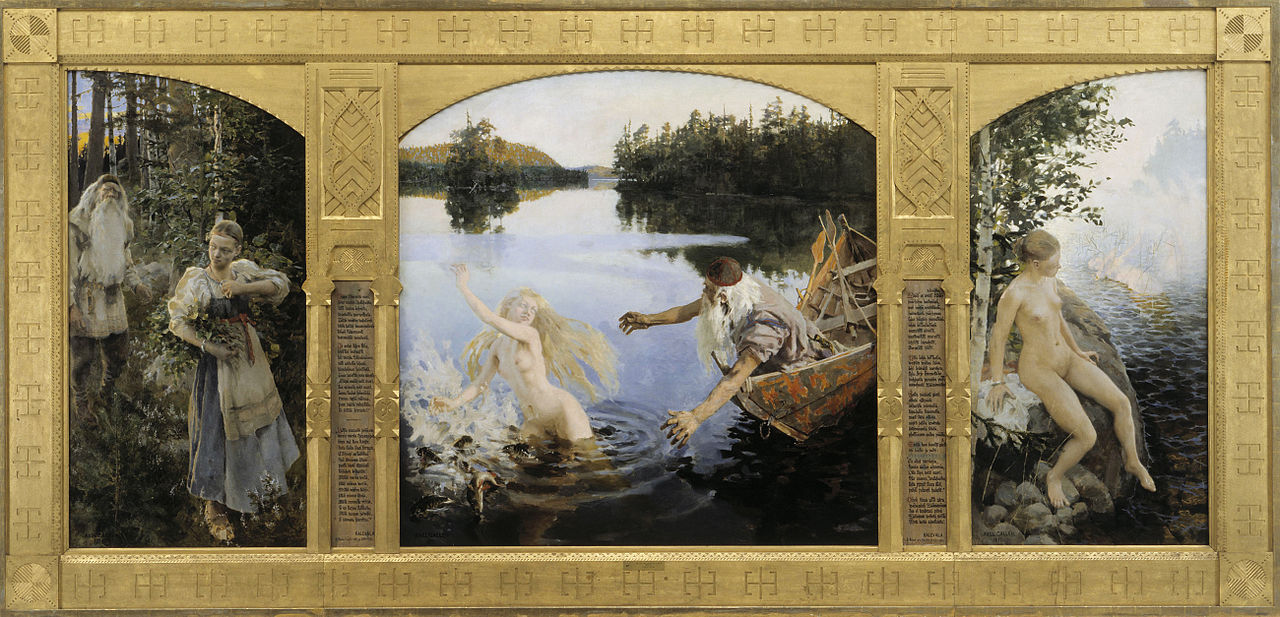



Form and style
Most of the poems in the Kalevala are performed in a characteristic unequal-lined metre commonly called the Kalevala metre — a trochaic, four-beat pattern typical of Finnic oral song. This rhythmic structure, along with alliteration and parallelism, helped oral singers memorize long narratives and distinguish the tradition from neighbouring Indo-European verse-forms. The collected texts include both short incantations and extended narrative lays that once would have been sung at communal gatherings.
Principal characters and places
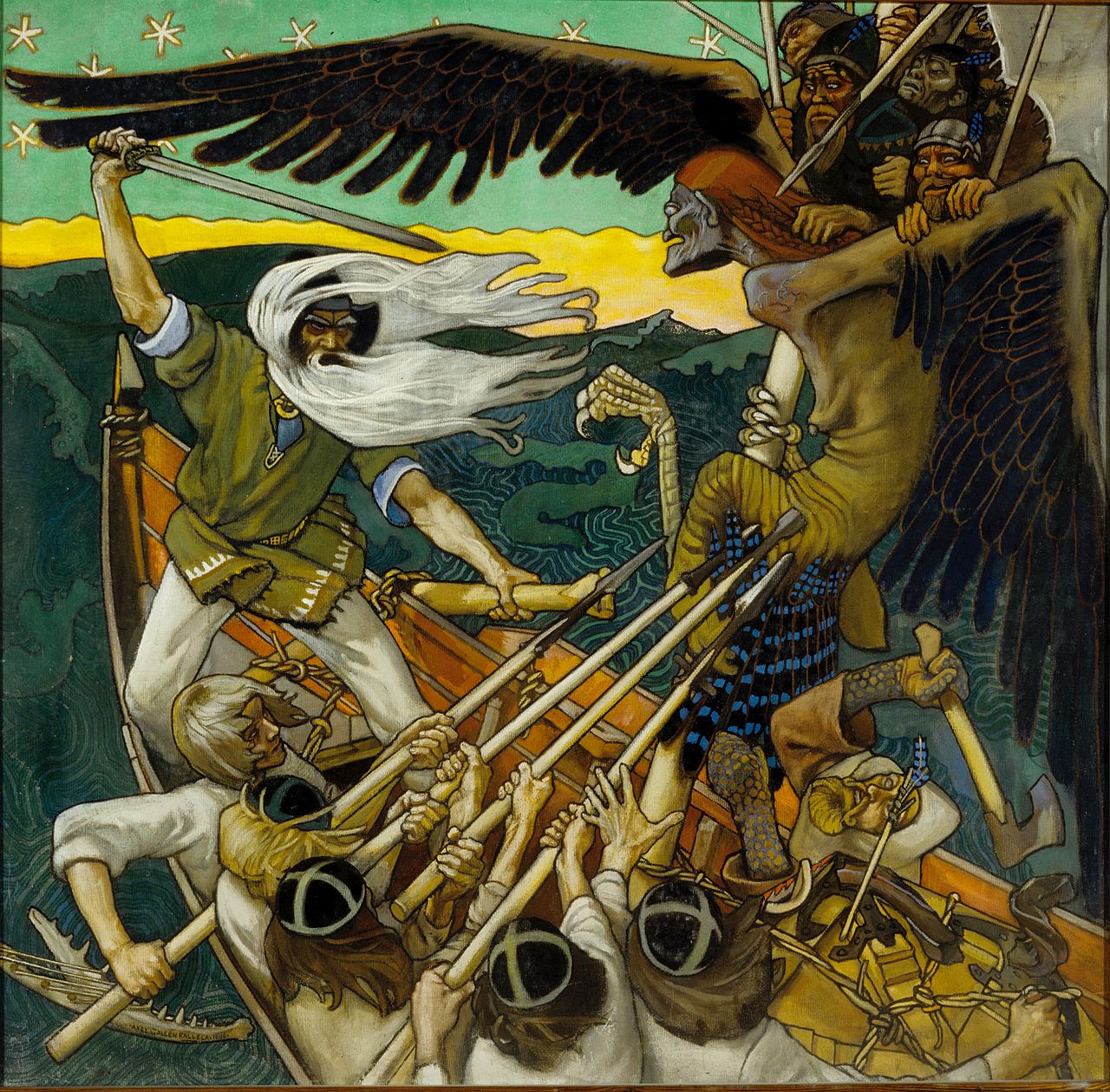
The epic is populated by archetypal figures whose names and roles recur throughout the corpus. Notable personages include the wise singer and seer Väinämöinen, the skilled blacksmith Ilmarinen, the adventurous and reckless Lemminkäinen and the tragic youth Kullervo. Opposing forces are represented by rulers and sorcerers of the North, especially the witch-mistress Louhi and the remote land of Pohjola, a cold, hostile realm. A central magical object in several poems is the Sampo, a mysterious device that brings prosperity to its holder.
Origins and compilation
The raw material for the Kalevala comes mainly from singing traditions gathered in Karelia and adjacent districts, areas where the oral tradition remained robust into the 19th century. Lönnrot travelled widely to collect variants, combining and editing them into a continuous epic narrative during the 1800s. His work transformed fragmentary folk poetry into a literary monument intended to record and elevate Finnish vernacular culture.
Themes, uses and cultural impact
The poems cover cosmogony, the making of the world and of humankind, heroic quests, erotic entanglements, smithcraft and sorcery, and moral conflicts. As a symbol of national heritage the Kalevala influenced language reform, visual arts, theater and music; composers and artists drew on its motifs to create works that helped define Finnish identity. The epic has been translated into many languages and is studied by folklorists, linguists and historians as a major source of Finnic oral tradition.
Further notes and study
Scholars examine the Kalevala from several angles: as literature, as a repository of pre-Christian belief, and as a product shaped by 19th-century editorial choices. Many editions exist, differing in selection, ordering and poetic presentation. For introductions and resources on the epic, see general overviews and translated editions available in modern libraries and studies; for primary-material contexts, collections of Karelian songs and field recordings remain important. Key reference points include discussions of metre and performance practice available via academic and cultural institutions (book resources, metre studies, Karelian collections). For biographies of major characters and related folklore, consult compendia and annotated translations (Väinämöinen, Ilmarinen, Kullervo). Additional perspectives on the epic's reception and adaptations are available through cultural histories and arts surveys (Louhi, Pohjola, Lemminkäinen, Elias Lönnrot).
- Genre: National epic compiled from oral tradition.
- Language and metre: Finnic oral metre with trochaic rhythms.
- Sources: Karelian and neighboring oral singers.
- Significance: Central role in Finnish literature, arts and identity.
Questions and answers
Q: What is Kalevala?
A: Kalevala is the Finnish national epic, a book of stories and folklores that is very important to Finnish people.
Q: How old are the poems in Kalevala?
A: The poems in Kalevala are very old and were sung by people long ago.
Q: What makes the unique metre of these poems?
A: The unique metre of these poems is not known outside Finnic languages.
Q: Where were many of the poems collected from?
A: Many of the poems in Kalevala were collected from Karelia and areas nearby.
Q: Who are the most important heroes in Kalevala?
A: The most important heroes in Kalevala are Väinämöinen, Ilmarinen, Lemminkäinen and Kullervo.
Q: Who are the enemies of the heroes in Kalevala?
A: The enemies of the heroes in Kalevala are Louhi and Joukahainen.
Q: What are two countries that fought against each other in many stories of Kalevala?
A: Two countries that fought against each other in many stories of Kalevala are the land of Kalevala and the land of Pohjola.
Related articles
Author
AlegsaOnline.com Kalevala: The Finnish National Epic Leandro Alegsa
URL: https://en.alegsaonline.com/art/51963