
Joseph Karl Stieler (1781–1858) — German Portrait Painter
German portraitist best known for court portraits, the Munich 'Gallery of Beauties' and the widely reproduced 1820 portrait of Ludwig van Beethoven.
Overview
Joseph Karl Stieler was a prominent German painter of the early 19th century, celebrated for his precise likenesses and polished court portraits. Born in 1781 and active through the mid-1800s, Stieler became a leading portraitist whose images of historical figures remain familiar today.
Image gallery
10 Images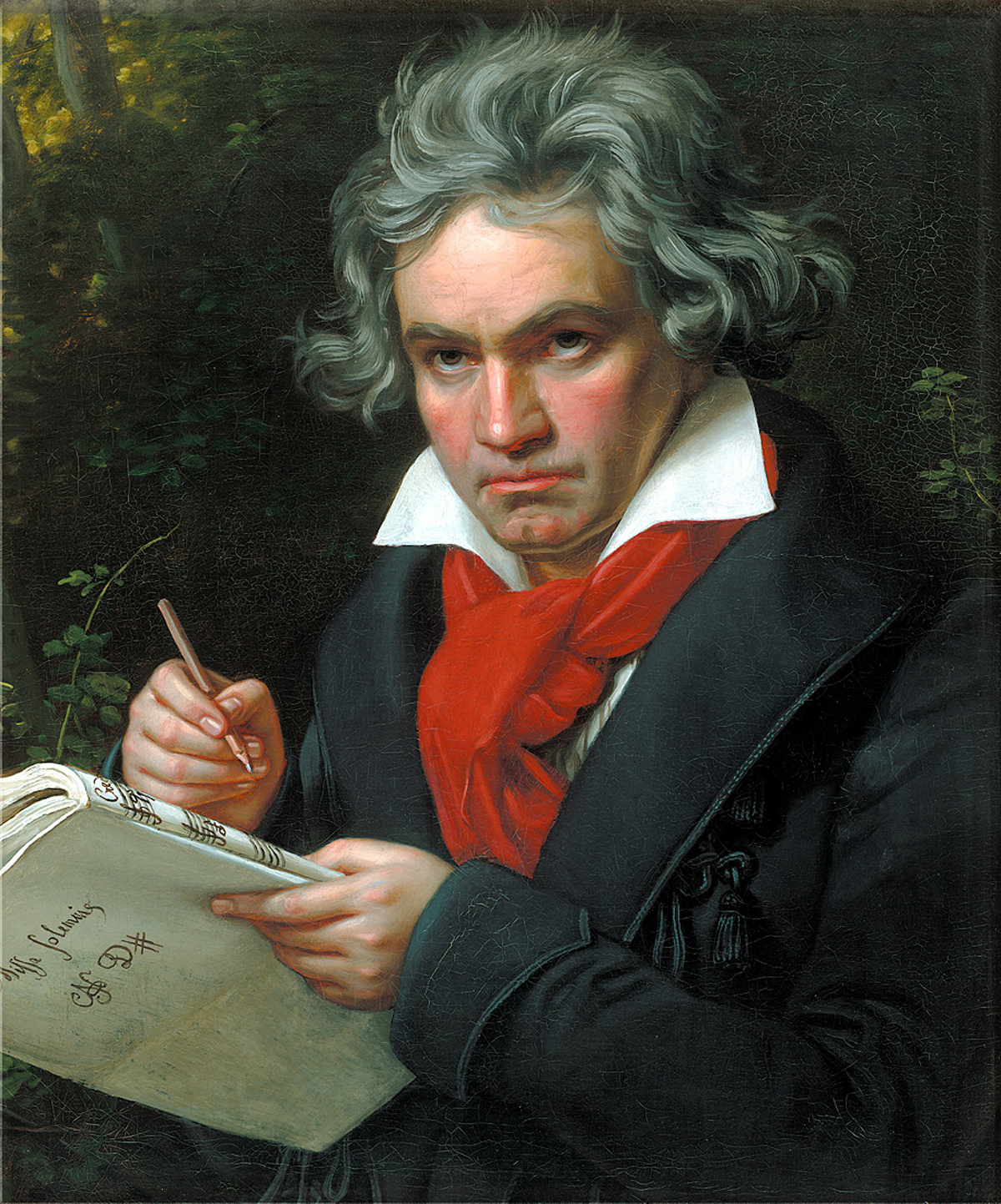




Life and early training
Stieler was born in Mainz, into a family of technical artists and craftsmen. His relatives worked as engravers and die-cutters, and he learned early skills in drawing and miniature work from his father. He began his career as a miniaturist, producing small, detailed likenesses that trained him in fine brushwork and careful observation.
Artistic style and approach
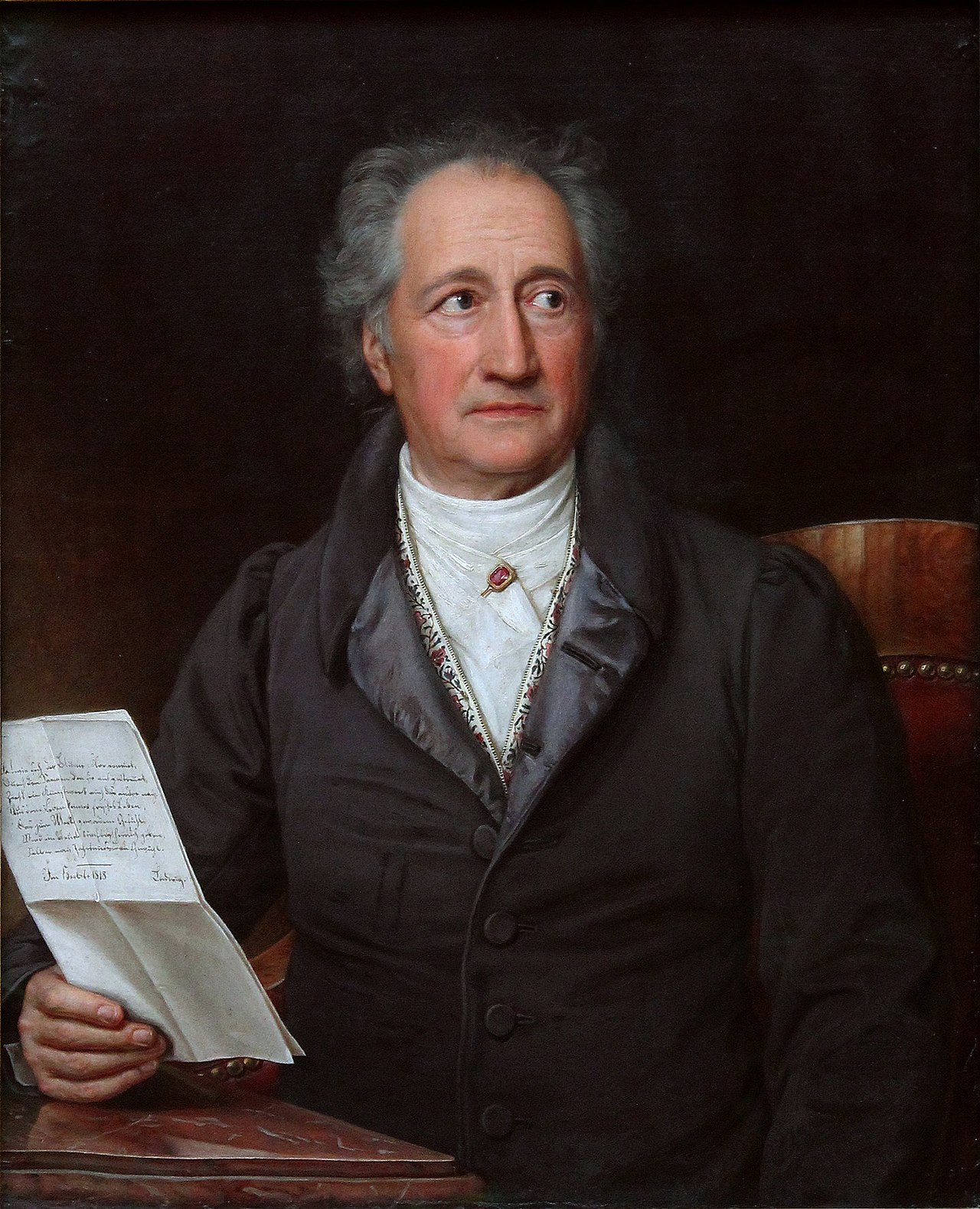
Stieler combined a neoclassical clarity with an emphasis on truthful representation: his sitters are rendered with clean outlines, controlled lighting and restrained backgrounds that focus attention on face and expression. Whether working in miniature or oil on canvas, he sought to convey social rank and character through costume, pose and subtle facial detail rather than theatrical gesture.
Major works and commissions
During his career Stieler traveled to important cultural centers to satisfy commissions. He spent time in Vienna, where he produced an official portrait of Emperor Francis I (also cited as Francis I of Austria). One of his most enduring images was painted between February and April 1820: the portrait of Ludwig van Beethoven, a likeness that has become the standard visual reference for the composer.
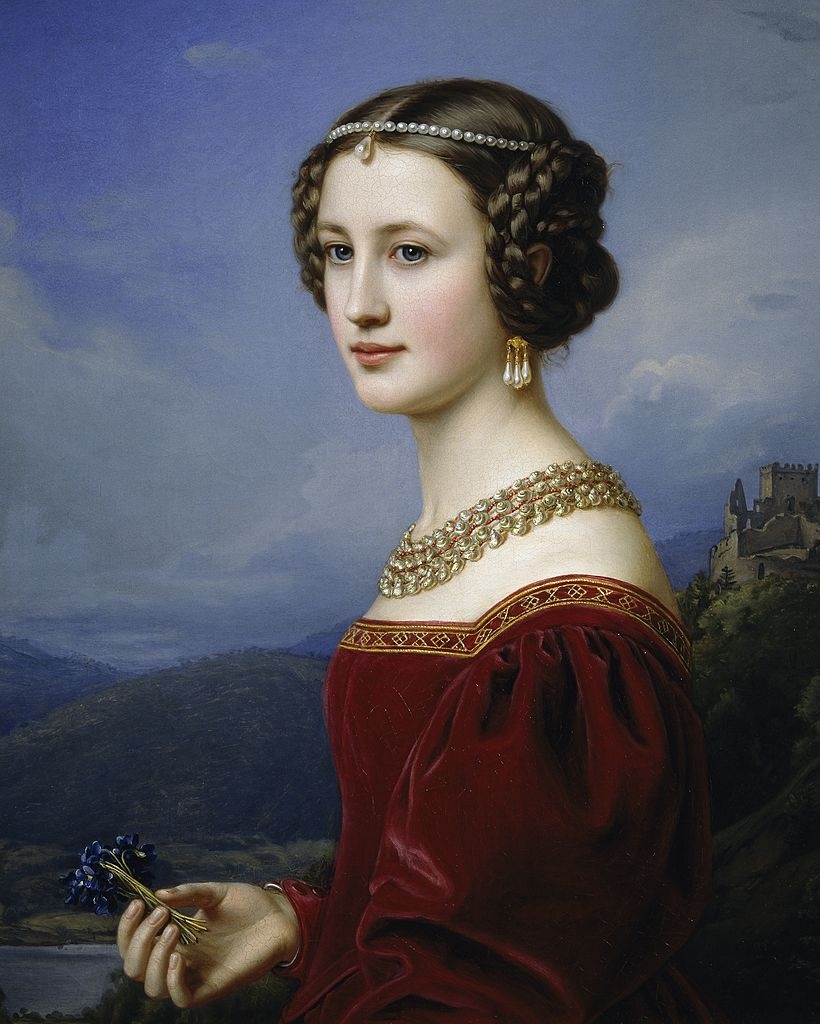
Stieler also served at the Bavarian court and contributed a celebrated series of portraits known as the Munich "Gallery of Beauties," produced for King Ludwig I. His body of work includes numerous royal and aristocratic sitters as well as cultural figures, making him a central figure in 19th-century German portraiture.
Selected portraits
- Portrait of Ludwig van Beethoven (1820) — widely reproduced and influential
- Official portrait of Emperor Francis I — produced during his Vienna period
- Portraits for the Munich "Gallery of Beauties" — commissioned court work
Legacy and significance
Stieler's portraits shaped public memory of the people he depicted: his Beethoven became the composer's canonical face for generations, and his court images helped define the public image of Bavarian and Austrian elites. His preference for clarity, fidelity and elegant finish influenced later portraitists and keeps his paintings in museums and printed histories of the era.
For further general reading on Stieler's life and works, consult standard art-historical resources and museum catalogues that discuss portraiture of the early 19th century and the cultural circles in which he worked.
Related articles
Author
AlegsaOnline.com Joseph Karl Stieler (1781–1858) — German Portrait Painter Leandro Alegsa
URL: https://en.alegsaonline.com/art/51232