
John Alden: Mayflower Cooper, Plymouth Settler, and Signer of the Compact
John Alden (c.1599–1687) was a cooper on the Mayflower, a signer of the Mayflower Compact, an early Plymouth Colony official, and the husband of Priscilla Mullins; his life inspired later literary works.
Overview
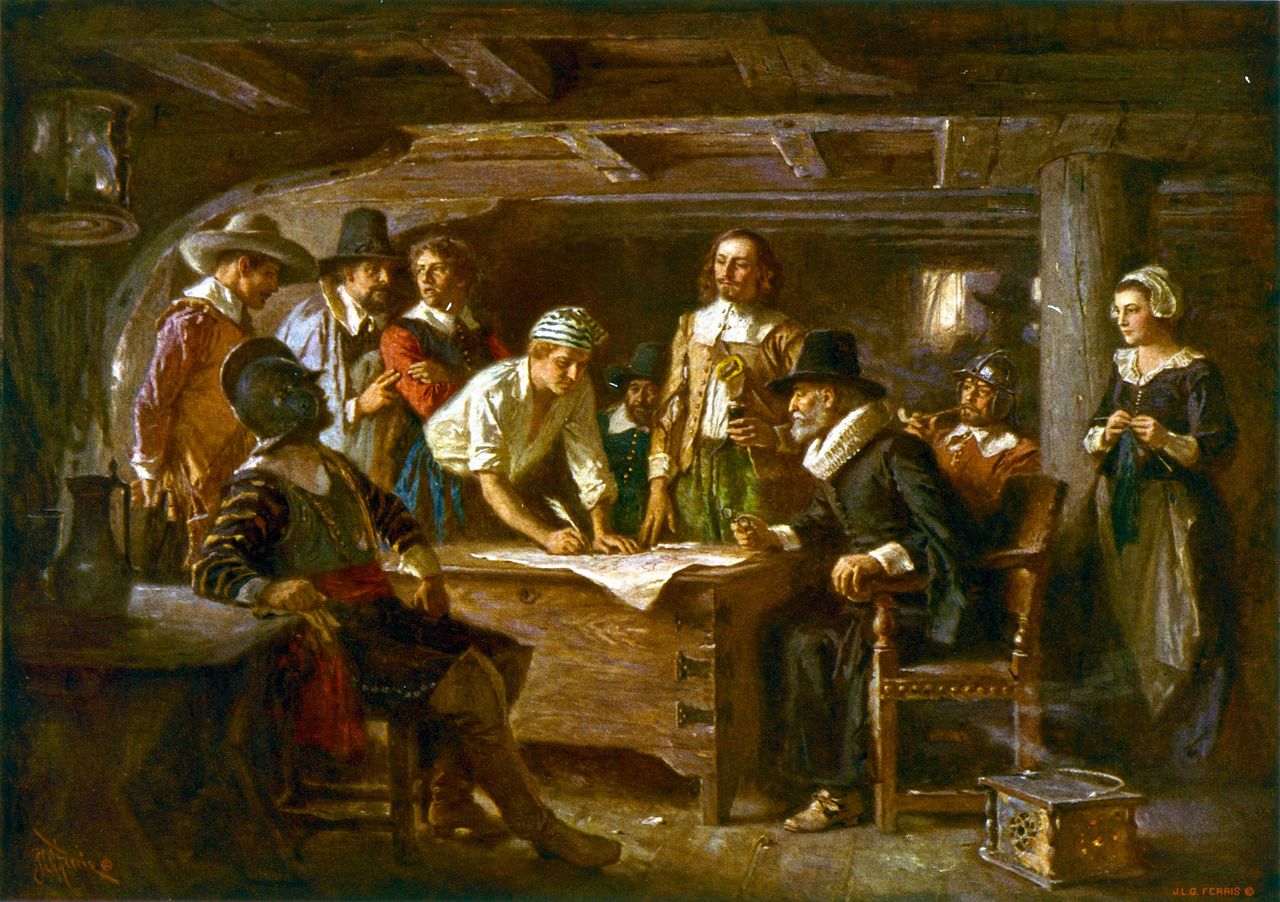
John Alden (c.1599–1687) was an English cooper who sailed to North America aboard the Mayflower in 1620. Hired in England to serve as the ship's cooper (barrel-maker), Alden remained with the group that founded Plymouth Colony and became one of the colony's more prominent early settlers. His signature appears on the Mayflower Compact, the provisional agreement that governed the first winter settlers.
Image gallery
10 Images




Voyage and role on the Mayflower
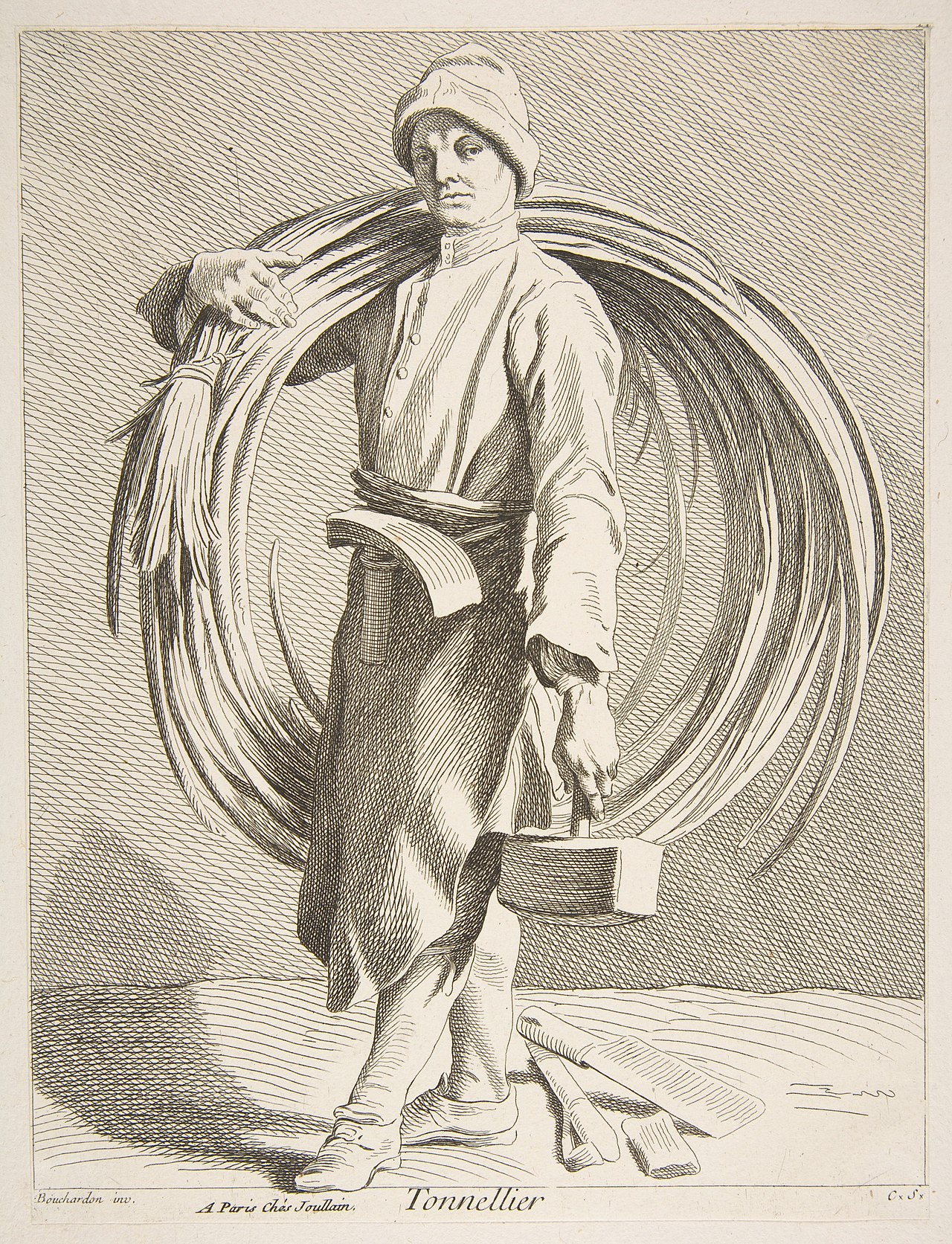
The Mayflower departed Plymouth, England in September 1620 with a mixed complement of passengers and crew. Alden was engaged to maintain and produce casks and barrels, essential for storing food, fresh water and other supplies for the transatlantic voyage and the first years ashore. The ship sighted Cape Cod in November and the passengers eventually made landfall near what is now Provincetown Harbor. During the voyage and the colony's founding period Alden stood among those who drafted and signed the Mayflower Compact, the communal agreement that established basic rules for governance.
Life in Plymouth Colony
After settling, Alden became an active member of the new community. He married Priscilla Mullins in 1622; the couple raised a large family that helped extend his influence in the colony. Over the years Alden held civic responsibilities and served as an assistant to the governor, participating in local government and militia affairs that shaped the growing settlement. He later relocated to nearby Duxbury, where he spent much of his life.
Family and personal legacy
John and Priscilla Alden had several children, and many Americans count themselves among their descendants. The personal story of Alden and Priscilla achieved a wider cultural life in American memory; the poet Henry Wadsworth Longfellow dramatised a romanticized account of their relationship in his narrative poem "The Courtship of Miles Standish," which contributed to their lasting presence in popular imagination.
Death, gravesite, and commemoration
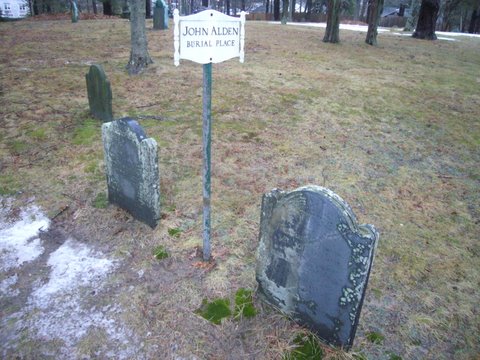
Alden died in 1687 and was interred with his wife in what is known today as the Myles Standish Burial Ground in Duxbury. The site and other local landmarks recall the early Plymouth families. Modern historical attention focuses on Alden's practical role as a tradesman on the Mayflower, his participation in early colonial governance, and the way his lineage and story have been remembered in American culture.
Notable facts and further reading
- Occupation aboard ship: cooper — an essential trade for long sea voyages and colonial storage.
- Signatory of the foundational Mayflower Compact, a key document in early colonial self-government.
- Associated places: boarded the Mayflower in England (hiring in England), made landfall at Cape Cod, and settled in Plymouth Colony; the voyage and passenger list are linked to the ship entry Mayflower passenger record.
- Burial: Myles Standish Burial Ground in Duxbury; the landing area is often associated with Provincetown Harbor.
For brief introductions and resources about the Mayflower voyage, colonial governance, and Alden's family, see the linked references above. These provide entry points to the broader history of the early New England settlements and their enduring cultural impact.
Related articles
Author
AlegsaOnline.com John Alden: Mayflower Cooper, Plymouth Settler, and Signer of the Compact Leandro Alegsa
URL: https://en.alegsaonline.com/art/50533
Sources
- mayflowerhistory.com : "John Alden"
- americanancestors.org : Pilgrim Village Family Sketch
- findagrave.com : findagrave.com/memorial/15