
Apremont, Ain — small commune in Auvergne-Rhône-Alpes
Apremont is a small rural commune in the Ain department of eastern France, known for its 13th-century ruined castle and its location between Nantua and Oyonnax.
Overview
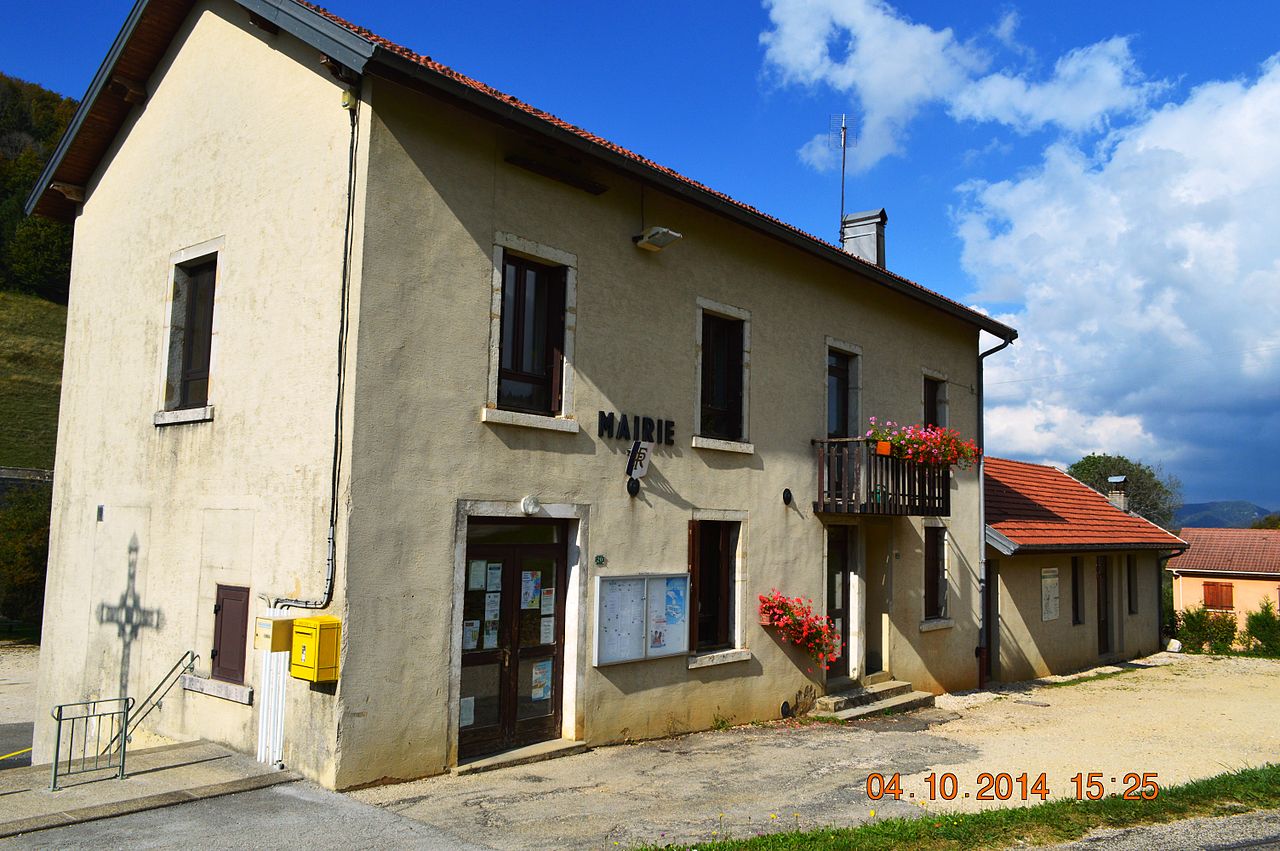
Apremont is a small French commune situated in the Auvergne-Rhône-Alpes region. Administratively it belongs to the Ain department in eastern France. The settlement is typical of the area: compact, rural, and closely linked to nearby towns for services and commerce.
Image gallery
5 Images


Location and geography
Apremont lies approximately halfway between Nantua and Oyonnax, placing it in the transition zone between low mountains and agricultural plains. The commune's setting provides a mix of woodland, pasture and small cultivated plots; its lanes and hamlets reflect a land use pattern common to the Jura foothills and surrounding districts.
Population and community
In 2009 the commune had 352 inhabitants. Residents are known locally as Apremontois. Like many small French communes, Apremont maintains a close-knit community life with local associations, occasional markets and events that depend on neighboring towns for larger services and employment.
History and monuments
The most prominent historic feature is a ruined castle dating from the 13th century. This medieval stronghold — the commune's principal monument — marks Apremont's long habitation and strategic position in earlier centuries. Although now a ruin, the site is a tangible link to feudal settlement patterns and local defensive architecture.
Economy and importance
Apremont's economy is largely rural: small-scale agriculture, forestry and services linked to nearby industrial or market towns. Its value today is cultural and residential as much as economic: the village contributes to regional identity, supports rural tourism and offers a quieter alternative to the larger urban centers around Nantua and Oyonnax.
Practical information and points of interest
- Historic ruins: the 13th-century castle remains a focal point for visitors and local history.
- Rural landscape: hedgerows, pastures and woodland trails typical of the Ain countryside.
- Access: local roads link Apremont with nearby towns for shops, schools and transport.
- Community life: small communal events and association activities maintain local traditions.
For further local details, administrative contacts and visiting advice consult municipal resources or regional guides that cover the Auvergne-Rhône-Alpes and Ain areas.
Related articles
Author
AlegsaOnline.com Apremont, Ain — small commune in Auvergne-Rhône-Alpes Leandro Alegsa
URL: https://en.alegsaonline.com/art/5024