
Arakawa, Tokyo: overview, character, history and notable features
Arakawa is one of Tokyo's 23 special wards. A compact, largely residential district along the Arakawa River, known for local shops, the Tokyo Sakura Tram, Nippori's textile district and neighborhood parks.
Overview
Arakawa (荒川区, Arakawa-ku) is one of the 23 special wards that make up Tokyo. Located on the northeastern side of central Tokyo, the ward takes its name from the Arakawa River. The municipal government uses the English name "Arakawa City" on official materials and services and publishes information for residents and visitors on its official site.
Image gallery
5 Images



Geography and urban character
Arakawa is relatively compact in area and presents a more intimate, low- to mid-rise urban fabric than Tokyo's major business districts. Riverside greenways and promenades along the Arakawa provide open space and flood-control embankments, while the ward's streets are dominated by small shops, long-standing markets and pockets of light industry. Neighborhood parks and tree-lined avenues contribute to a quieter, community-oriented atmosphere.
History
The area now known as Arakawa developed from suburban villages on the outskirts of the old city of Edo into a dense urban district as Tokyo expanded in the late 19th and 20th centuries. The ward's modern administrative form dates from the 20th-century reorganization of Tokyo's municipalities; over time Arakawa evolved into a primarily residential area that supports surrounding commercial centres.
Economy, culture and daily life
Local commerce and small businesses are central to Arakawa's economy. Nippori, a well-known neighbourhood within the ward, hosts a long-established textile and fabric district popular with tailors and hobbyists, and numerous family-run retail shops and eateries continue traditional trades. Community life centers on shopping streets, local festivals and seasonal markets that reflect neighborhood ties and crafts.
Transport
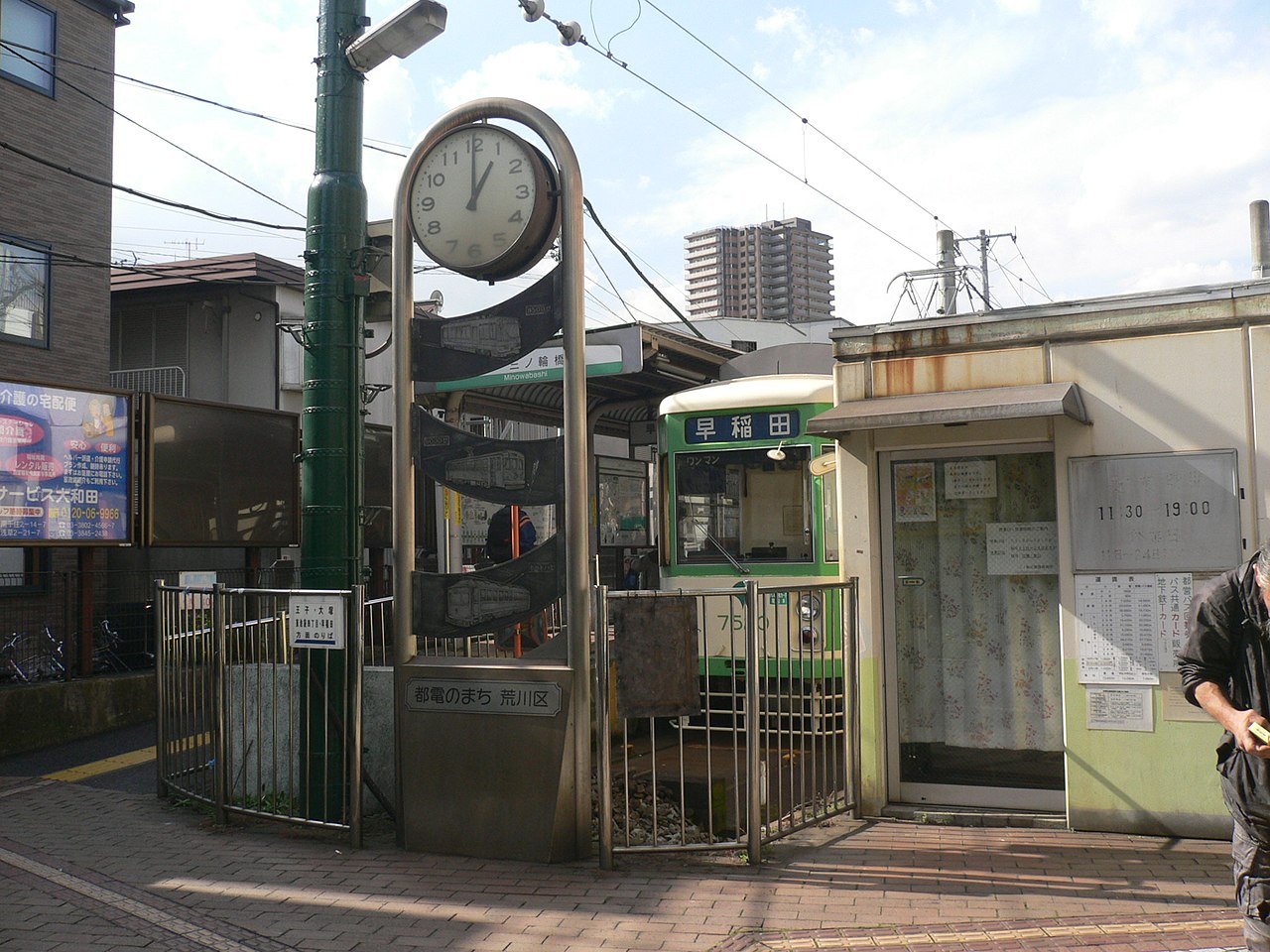
Arakawa is well served by rail and tram connections that provide direct access to central Tokyo while preserving a quieter residential character. The historic streetcar line commonly called the Tokyo Sakura Tram (Toden Arakawa Line) remains a visible feature of streetscapes, and major rail stations offer links on regional JR and private rail networks. Good public transport connectivity makes commuting and visiting nearby cultural districts straightforward.
Administration and services
The ward office administers municipal services such as education, welfare, urban planning and disaster preparedness for a dense urban community. Local authorities and neighborhood associations organise community events, disaster drills and seasonal festivals that reinforce civic ties. General information on living and services in Japan can be found through national resources as well as the ward's official pages (Japan, Arakawa City).
Attractions and practical notes
- Nippori Textile Town: shopping for fabrics and haberdashery.
- Tokyo Sakura Tram: a surviving streetcar line valued for local travel and heritage.
- Riverside parks: promenades and green spaces along the Arakawa.
- Traditional shopping streets: daily markets, small restaurants and craftspeople.
Visitors and residents appreciate Arakawa for its neighborhood atmosphere, accessible transport and concentration of small-scale commerce. For up-to-date practical details on services, transport and events consult the ward's municipal information and visitor resources (official site, special wards overview).
Related articles
Author
AlegsaOnline.com Arakawa, Tokyo: overview, character, history and notable features Leandro Alegsa
URL: https://en.alegsaonline.com/art/5167
Sources
- metro.tokyo.jp : "Municipalities within Tokyo"
- city.arakawa.tokyo.jp : Arakawa City