
Nantua — lakeside commune in Ain, Auvergne-Rhône-Alpes
Nantua is a French commune on Lac de Nantua in the Ain department, known for its scenic lake setting, regional cuisine (sauce Nantua), local history and role as seat of its arrondissement.
Overview
Nantua is a small French commune set beside Lac de Nantua in the Ain department. It lies within the Auvergne-Rhône-Alpes region of eastern France and serves as the administrative capital of the arrondissement of Nantua. The town combines an administrative role with a strong local identity focused on its lake, surrounding hills and traditional gastronomy.
Image gallery
8 Images




Geography and landscape
Nantua occupies a compact basin where steep, wooded slopes rise close to the water. The lake shore, limestone ridges and adjacent valleys create a series of viewpoints and short walking routes. The setting is characteristic of the lower Jura foothills and is valued for its visual contrast between clear water and forested slopes. Weather is influenced by inland and mountain conditions with seasonal variation that shapes recreational use of the lake.
History and built environment
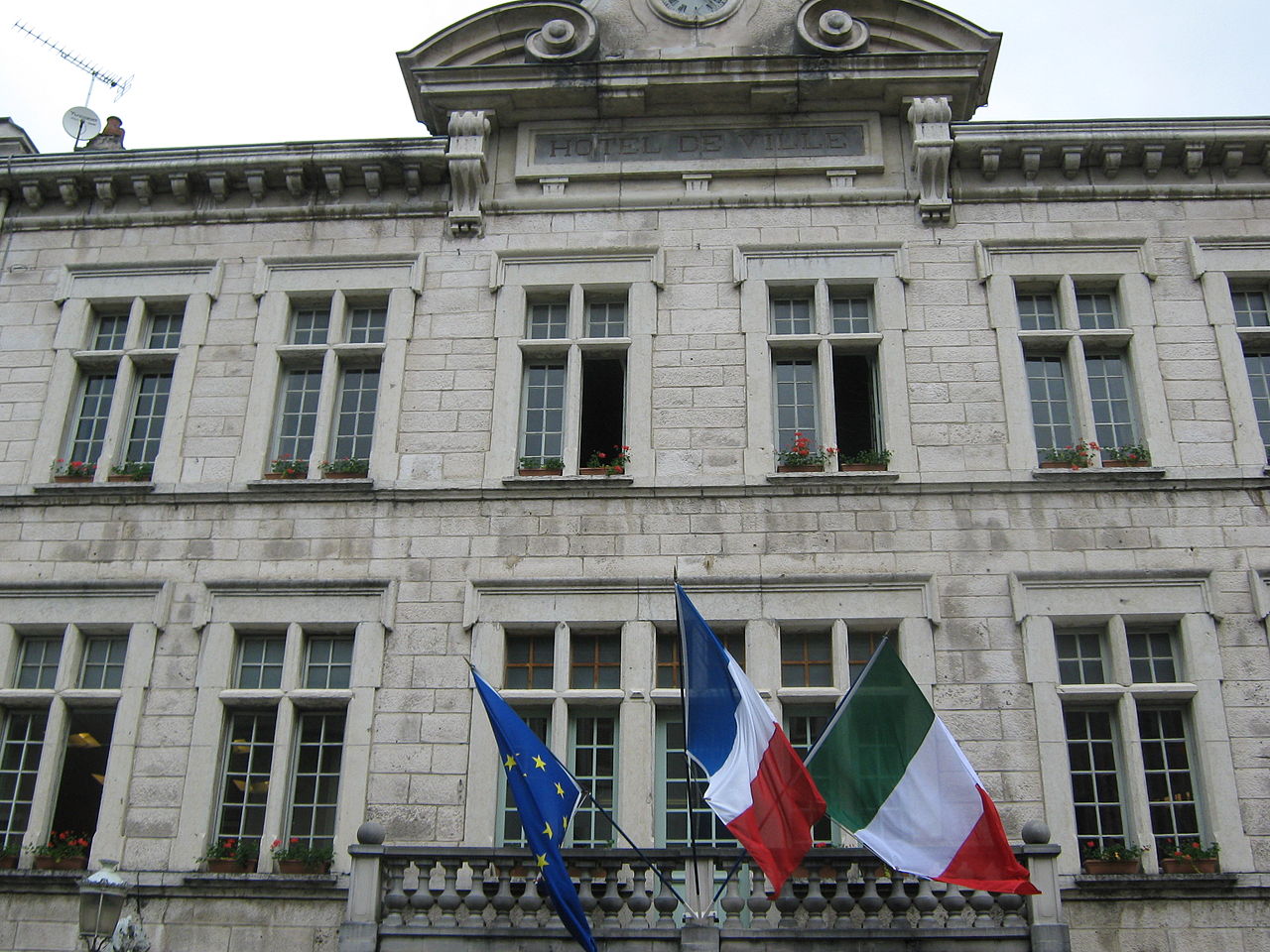
The town developed as a local market and service centre for surrounding agricultural and forested areas. Its historic core retains narrow streets and civic buildings that reflect traditional regional styles. Churches, old stone houses and municipal structures give Nantua a recognisable townscape; conservation and modest development have kept the lakeside character largely intact.
Economy, culture and cuisine
The local economy is a mix of public administration, small businesses, hospitality and seasonal tourism. Nantua is widely associated with freshwater crayfish and the classic French "sauce Nantua," which appears in regional cooking and restaurant menus. Cultural life includes markets, occasional festivals and events that highlight local products and the lakeside setting.
Transport and visitors
The commune is accessible by regional roads and by public transport links to nearby towns and cities; it functions as a convenient destination for day trips and short stays. Recreational activities include lakeside walks, viewpoints, light boating and angling where permitted. Visitors are advised to check local information for seasonal services and regulated activities on the water.
Practical information
- Administrative services and local governance are based in the town centre.
- Local cuisine features freshwater specialties and regional dishes.
- Outdoor recreation focuses on the lake and surrounding footpaths.
- Accommodation and eateries serve both residents and visitors during the main tourist seasons.
Nantua illustrates a small French lakeside community where natural setting, modest urban functions and culinary tradition combine to form a distinct regional destination. Further information on administration, local events and visitor facilities can be obtained from regional and departmental resources.
Questions and answers
Q: Where is Nantua located?
A: Nantua is located in the Auvergne-Rhône-Alpes region in the east of France.
Q: What is Nantua?
A: Nantua is a commune in the Ain department.
Q: What is the capital of the arrondissement of Nantua?
A: Nantua is the capital of the arrondissement of Nantua.
Q: In which region is Nantua found?
A: Nantua is found in the Auvergne-Rhône-Alpes region.
Q: What is the name of the department in which Nantua is located?
A: Nantua is located in the Ain department.
Q: What does the term "commune" mean?
A: A commune is a small administrative division in France.
Q: What is the significance of Nantua?
A: Nantua serves as the capital of the arrondissement of Nantua.
Related articles
Author
AlegsaOnline.com Nantua — lakeside commune in Ain, Auvergne-Rhône-Alpes Leandro Alegsa
URL: https://en.alegsaonline.com/art/68278
Sources
- commons.wikimedia.org : Nantua
- insee.fr : "Commune de Nantua (01269)"
- map-france.com : "City of Nantua"
- annuaire-mairie.fr : "Ville de Gex"
- habitants.fr : "Habitants du départment Ain"
- insee.fr : "Régions, départements, arrondissements, cantons et communes"