
Jefferson Park, Chicago
A Northwest Side Chicago community area and neighborhood known for its transit hub, Polish-American heritage, parks, and mix of residential and commercial zones.
Jefferson Park is both an official Chicago community area and a broader neighborhood on the city's Northwest Side. It is one of the city's 77 community areas and combines residential blocks, local business corridors, public parks, and active cultural institutions. The neighborhood takes its name from Thomas Jefferson and has long been identified by a strong sense of local identity that extends beyond the strict municipal boundaries.
Image gallery
5 Images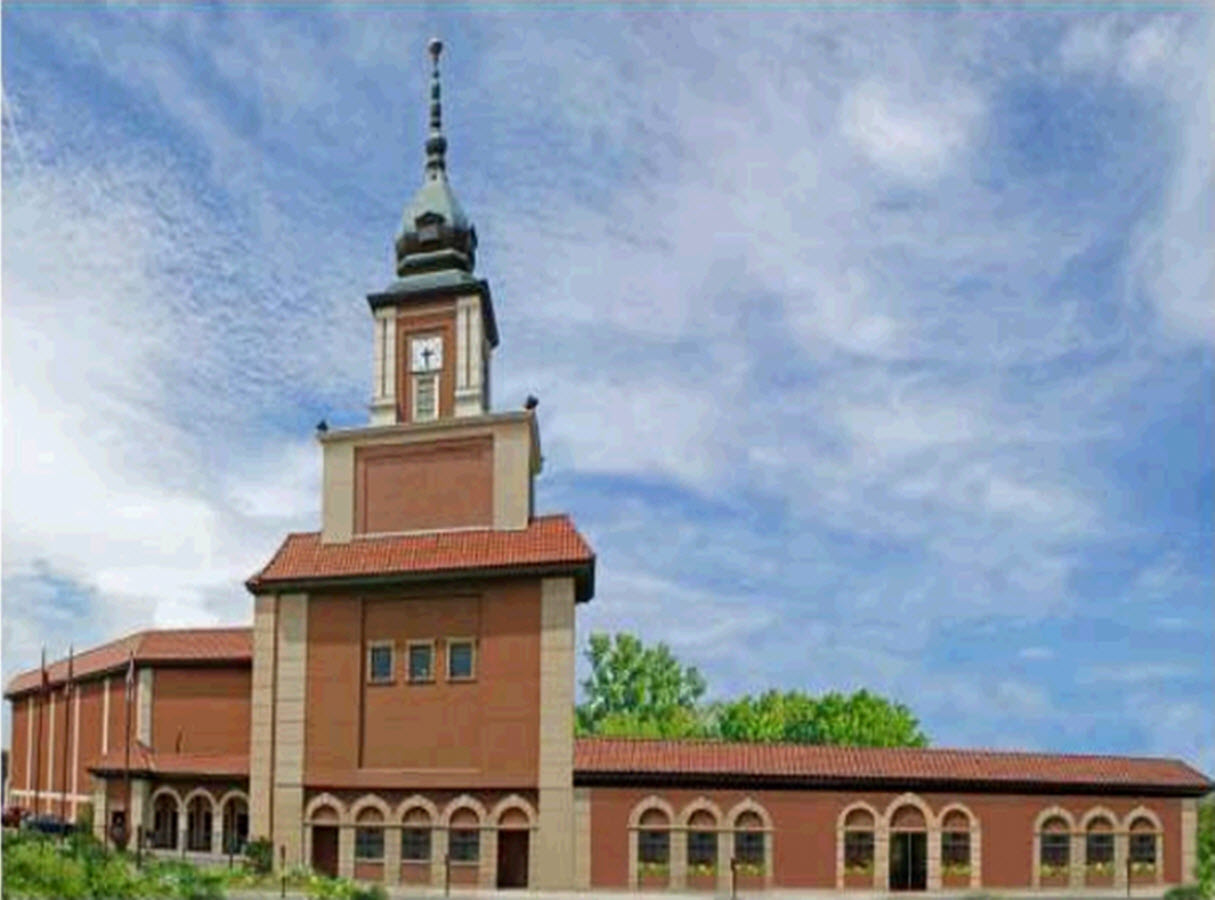


Location and boundaries
The community area is bordered by other Chicago community areas and a nearby suburb: to the northwest lies Norwood Park, to the northeast Forest Glen, and to the south the official map places Portage Park. The village of Harwood Heights sits just beyond Jefferson Park's southern edge. Local usage often stretches the neighborhood's reach farther south than the community-area lines, with some residents and businesses describing Jefferson Park as continuing toward Montrose Avenue.
Transportation and infrastructure
One of Jefferson Park's defining features is its major transit hub. A large Blue Line station anchors the neighborhood, providing rapid transit access to downtown Chicago and O'Hare International Airport and making the area attractive to commuters. The hub is complemented by several bus routes and commuter-rail connections close by, which together support a busy mix of commuter and local travel. This accessibility has influenced local land use, encouraging higher-density development close to the station and preserving quieter residential streets farther out.
Streets in Jefferson Park include a mix of single-family homes, courtyard apartments, and commercial strips. Public green spaces and community facilities serve families and long-term residents, while small businesses along main avenues provide retail, dining, and cultural services.
Culture, events, and notable facts
Jefferson Park has a vibrant Polish-American presence and hosts cultural events that draw visitors from across the region. Among these, the neighborhood's Taste of Polonia festival has been notable as a political and cultural gathering place; it has attracted national political figures over the years. For example, there have been appearances by prominent visitors including a presidential figure and by George H. W. Bush. In other years, national campaign visitors such as Dick Cheney and other public figures, including future vice-presidential appointees and cultural advocates like Tipper Gore, have attended or spoken at local events. These visits reflect Jefferson Park's role as an important center for Chicago's Polish-American voters and civic life.
History and development
Historically, Jefferson Park grew as part of Chicago's northwest expansion in the late 19th and early 20th centuries, shaped by streetcar lines and later by commuter and rapid transit. Over time the neighborhood mixed immigrant populations and a stable residential base. Architectural character ranges from early bungalow-era houses to mid-century apartment buildings. Community institutions—schools, churches, and civic groups—have played central roles in local cohesion and in preserving neighborhood character amid citywide change.
Features and practical information
- Transit: major Blue Line station and multiple bus connections supporting commuter access.
- Parks: several neighborhood parks provide recreation and community programming.
- Commerce: commercial corridors with independent shops, restaurants, and services.
- Civic life: active cultural organizations and festivals, including Polish-American events that attract regional attention.
Jefferson Park remains a distinct part of Chicago's urban fabric: a transport-linked neighborhood with strong ethnic traditions, a variety of housing types, and active local institutions. For readers who want to explore maps, demographics, or event calendars, local community resources and municipal pages offer updated information about zoning, transit schedules, and neighborhood programming.
Related articles
Author
AlegsaOnline.com Jefferson Park, Chicago Leandro Alegsa
URL: https://en.alegsaonline.com/art/49852
Sources
- maps.google.com : maps.google.com/maps/ms?ie=UTF8&oe=UTF8&msa=0&msid=203805747565416512635.0004aced4d6df067…
- quest.cjonline.com : "Quest for the Presidency: Cheney dances, rides public train 09/05/00"