
Jeju-do (Jeju Province) — South Korea’s volcanic island province
Jeju-do is a South Korean province largely formed by volcanic activity. Known for Hallasan, lava tubes, mild climate, unique culture and tourism, it combines natural heritage with distinct agriculture and coastal traditions.
Jeju-do, commonly called Jeju Province, is a self-governing province of South Korea centered on Jeju Island, the country’s largest island. Located off the southern coast, the province is celebrated for its mild climate, distinct local culture and landscape shaped by volcanic activity. Jeju draws domestic and international visitors for its scenery, outdoor recreation and culinary specialties.
Image gallery
10 Images


Geography and geology
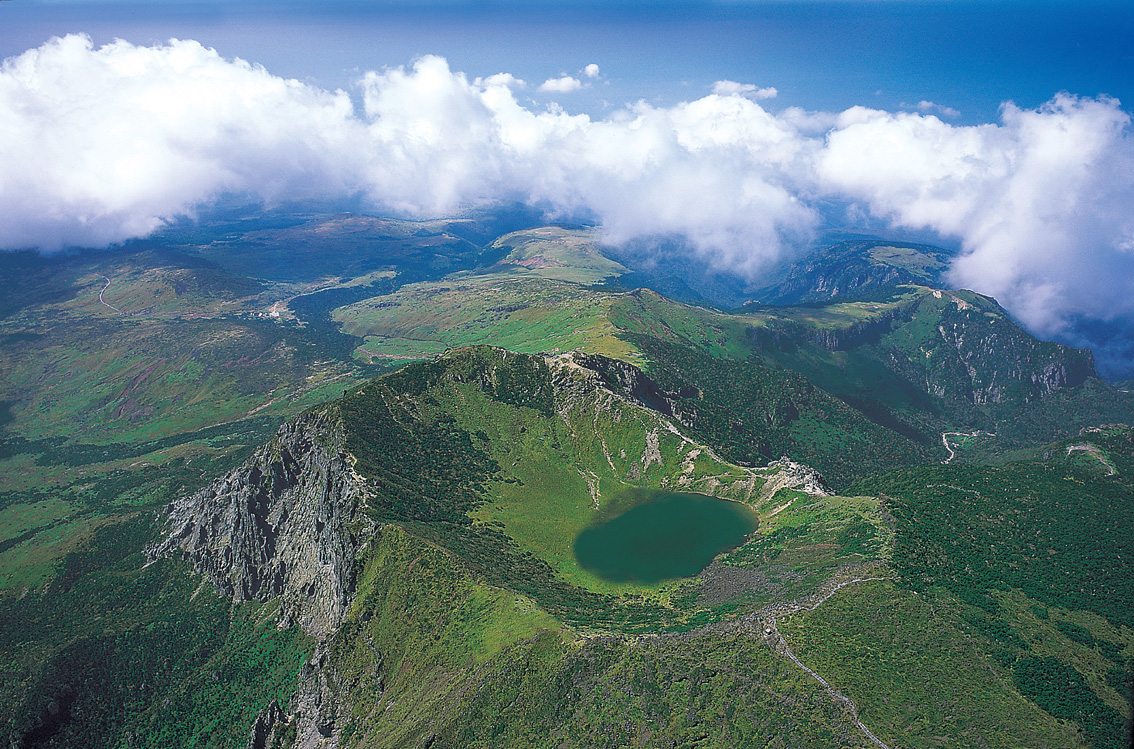
The island is volcanic in origin: successive eruptions created shield volcanoes, cones and extensive lava flows that built the landmass and its coastal features. The central peak, Hallasan, rises from the island’s center and is the highest mountain in South Korea. Basaltic plateaus and volcanic cones are interspersed with fertile soils and coastal plains. Numerous lava tubes penetrate the subsurface, forming caves and tunnels that preserve geological processes.
Natural heritage and conservation
Jeju’s volcanic landscapes and the lava tube systems have attracted international recognition. Several formations and cave networks are protected for their scientific and scenic value; part of this recognition is reflected in the designation of the Jeju Volcanic Island and Lava Tubes as a natural World Heritage Site. Conservation on the island balances tourism with habitat protection for endemic plants and coastal ecosystems.
Culture, people and traditions
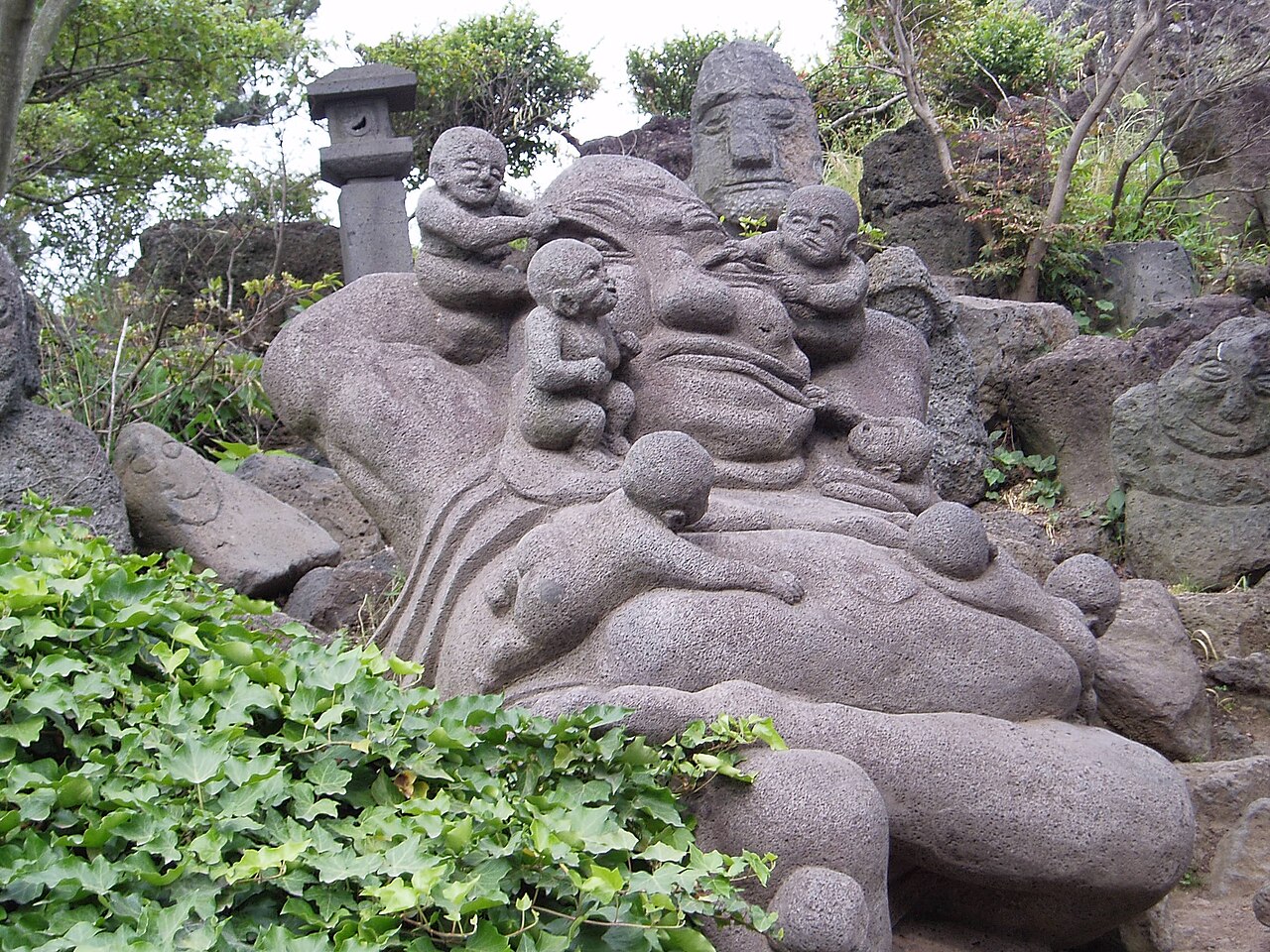
The island has a distinctive local culture and dialect that differ from the Korean mainland. Notable social traditions include the haenyeo — women freedivers who harvest seafood without breathing apparatus — and a range of folk practices tied to the sea and agriculture. Local cuisine emphasizes seafood and island produce, for example abalone dishes such as jeonbokjuk, a rice porridge flavored with abalone, and citrus fruits that thrive in the temperate climate.
Economy and tourism
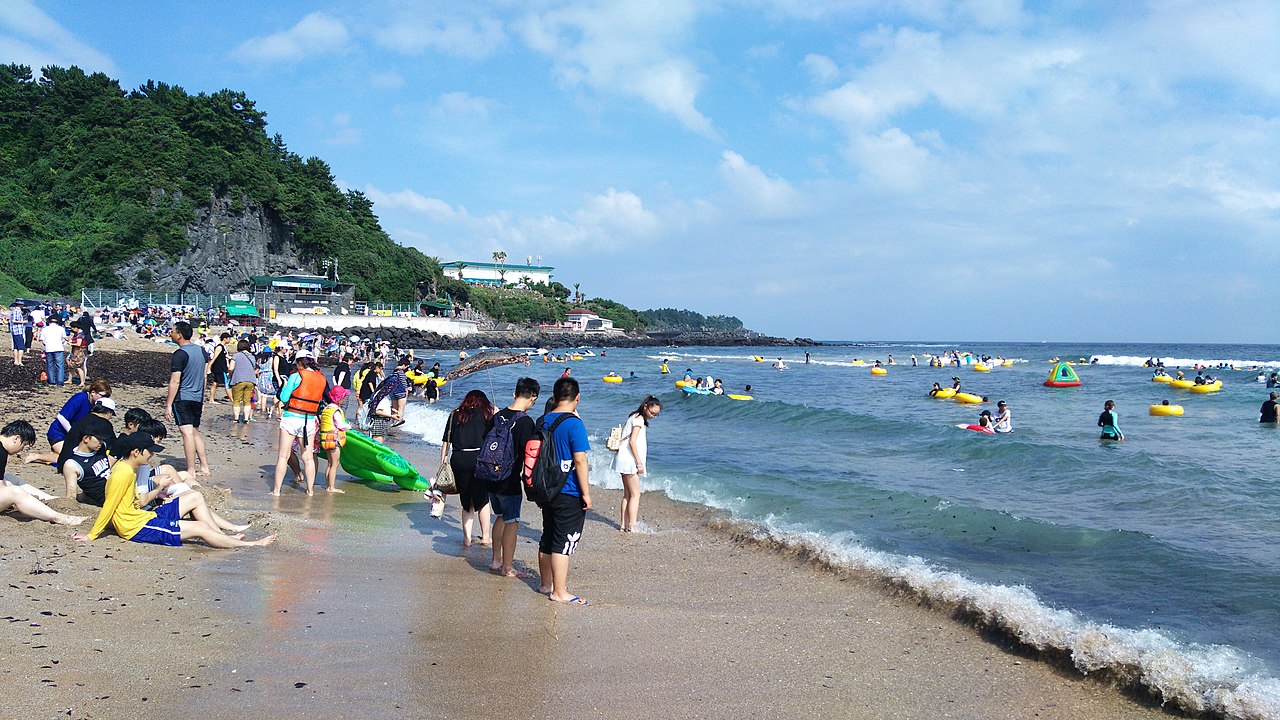
Tourism is a major economic driver. Honeymooners, outdoor enthusiasts and sightseers visit for beaches, hiking on Hallasan, coastal drives and specialty foods. Agriculture includes citrus orchards and specialty cultivars like dekopon and mandarins that are often associated with Jeju’s identity. The island’s climate is generally warmer than much of the Korean peninsula, extending the growing season for subtropical crops.
Visitor highlights and notable distinctions
- Hallasan and its alpine trails offer panoramic views and seasonal wildflowers.
- Lava tubes and volcanic cones provide unique geological sites for study and tourism; many are protected as part of the World Heritage designation.
- Coastal villages retain maritime traditions and seafood cuisines that differ from mainland specialties.
- Jeju’s administrative status as a special self-governing province gives it local autonomy within the national framework, and it remains a popular domestic travel destination.
Visitors and researchers alike value Jeju-do for the combination of accessible wilderness, cultural distinctiveness and geological importance. For practical travel planning, regional guides and government tourism resources provide up-to-date information on access, protected areas and local customs (volcanic origins and geology, heritage sites).
Related articles
Author
AlegsaOnline.com Jeju-do (Jeju Province) — South Korea’s volcanic island province Leandro Alegsa
URL: https://en.alegsaonline.com/art/49870
Sources
- news.bbc.co.uk : "Unesco names World Heritage sites"
- english.jeju.go.kr : "Three manys, three lacks and three treasures"
- wikidata.org : wikidata.org/wiki/Q29151
- id.loc.gov : sh2008005538
- catalog.archives.gov : 10037148
- id.ndl.go.jp : 00634900
- aleph.nkp.cz : xx0031372
- viaf.org : 255880237
- worldcat.org : viaf-255880237