
Dick Cheney
American politician and businessman; U.S. vice president (2001–2009), former Secretary of Defense, U.S. Representative and corporate executive influential in modern national security policymaking.
Richard B. "Dick" Cheney is an American politician and businessman born in 1941 who served as a prominent national official across several decades. He is best known for his tenure as Vice President of the United States from 2001 to 2009 and for his central role in shaping Republican administrations and 21st-century national security policy. Cheney has been a polarizing figure, widely discussed for both his managerial influence and his advocacy of an assertive executive branch.
Image gallery
10 Images
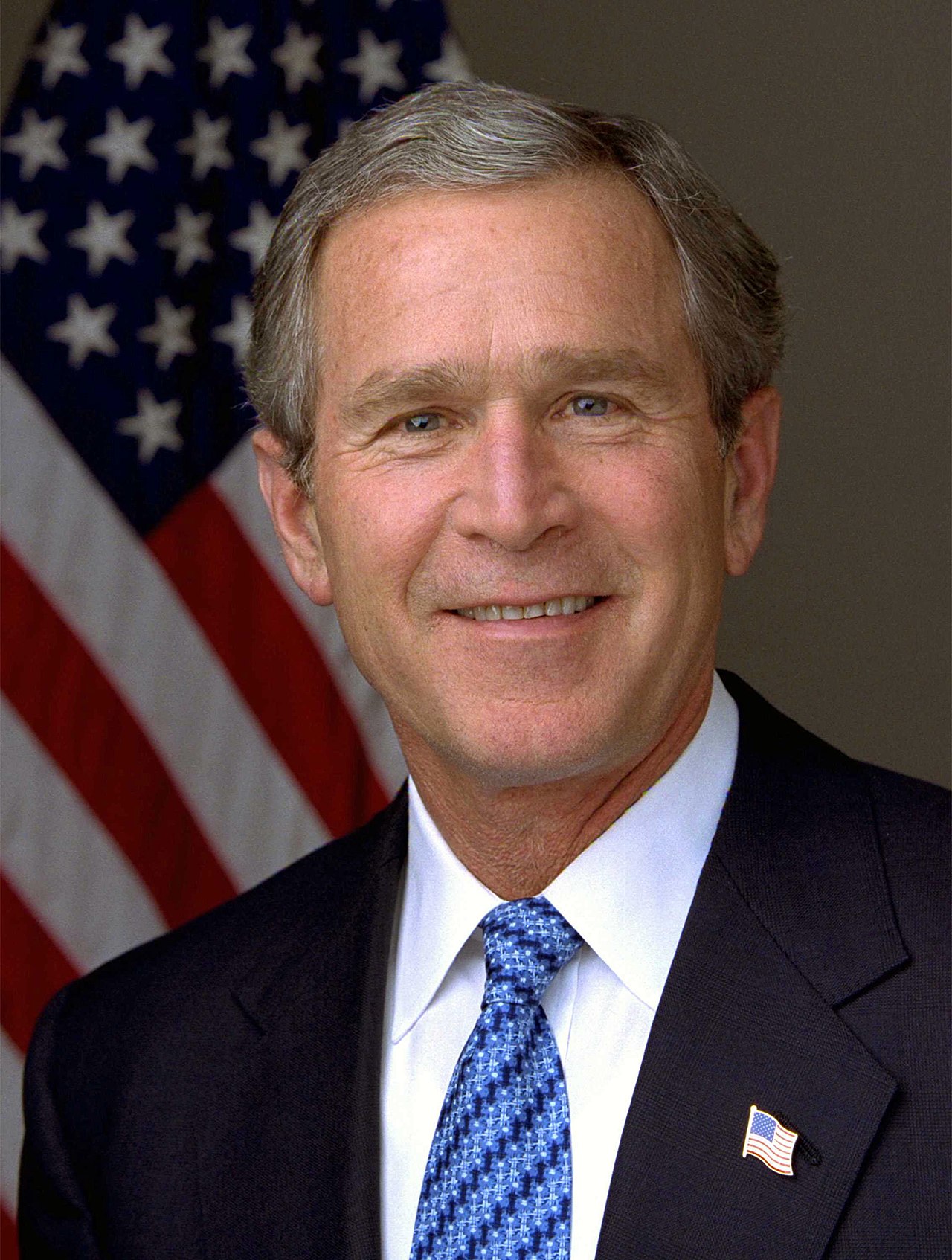


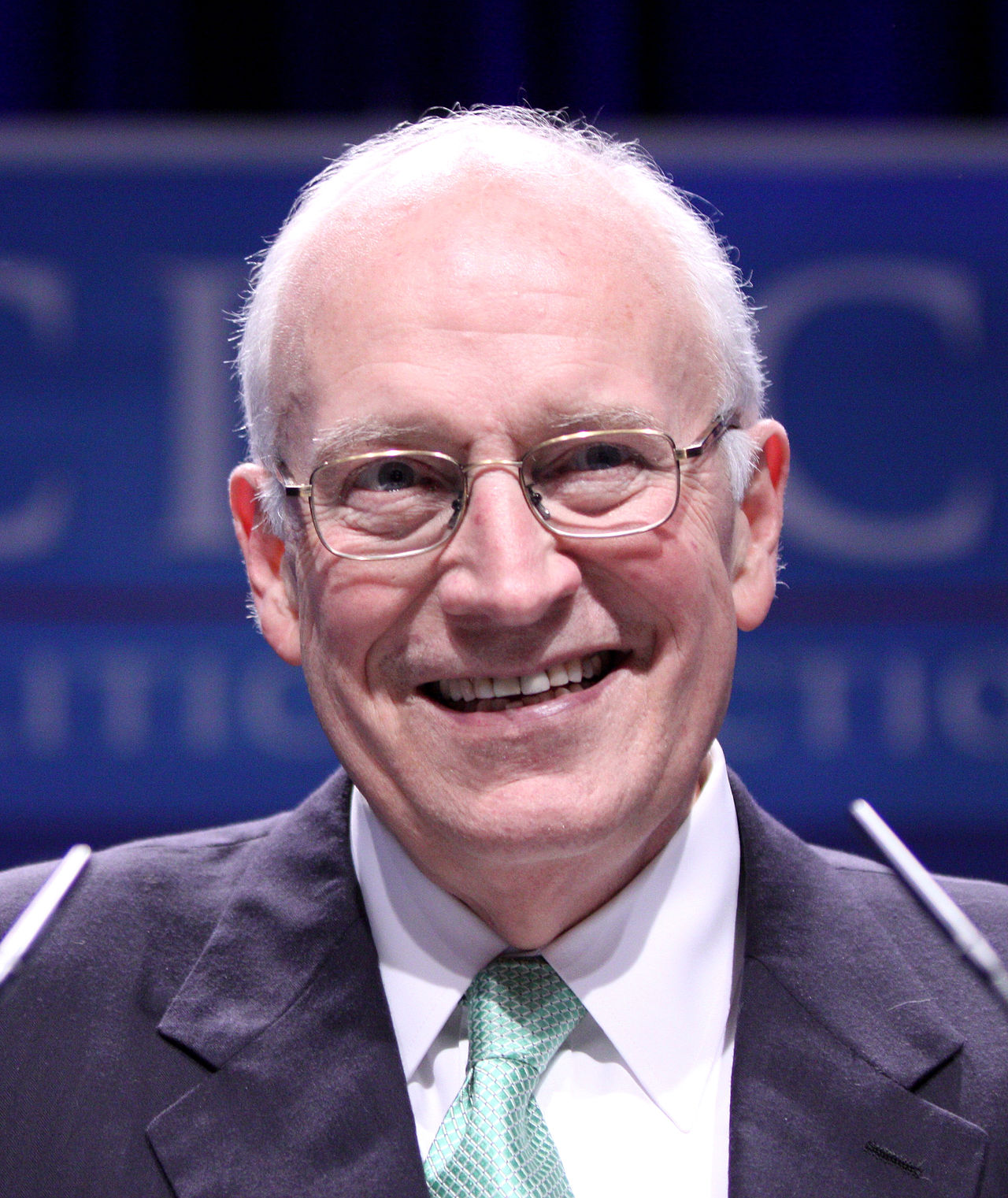

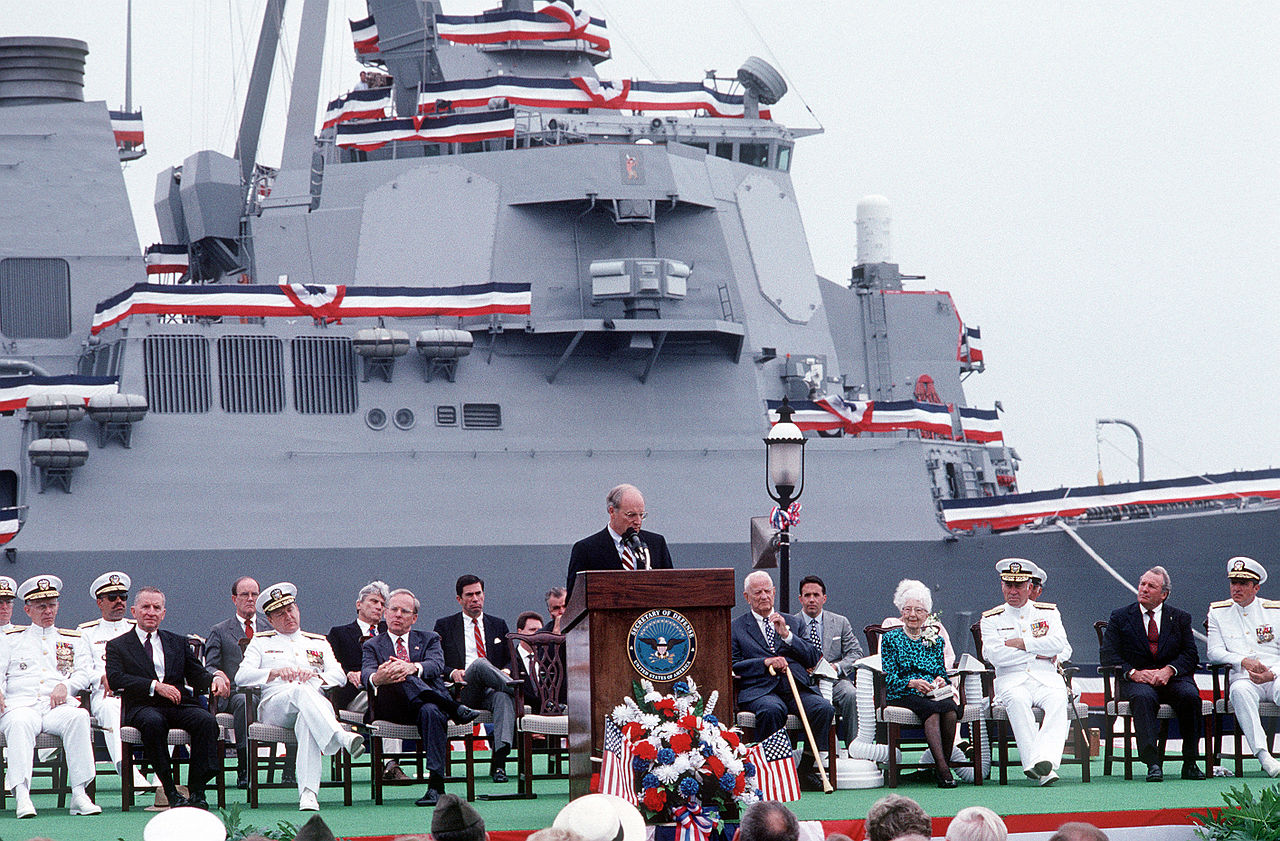
Career and public offices
- After early work in state and federal government, Cheney became a leading Republican congressional figure and was elected to the House of Representatives, where he served for a decade.
- He was White House chief of staff from 1975 to 1977, a chief aide who helped manage the executive agenda as White House chief of staff.
- Under President George H. W. Bush he served as Secretary of Defense from 1989 to 1993, including during the 1990–91 Gulf War.
- Cheney left government for the private sector and was later chosen as the running mate in the 2000 United States presidential election, joining George W. Bush. The Bush–Cheney ticket won and was reelected in the 2004 United States presidential election.
As vice president, Cheney was widely regarded as an unusually powerful occupant of the office, exercising strong influence over defense, intelligence, and energy policy. He played a leading role in the administration's response to the September 11, 2001 attacks, the subsequent Afghanistan campaign and the 2003 Iraq invasion. That influence provoked extensive public and academic debate about executive power, oversight, and the legal basis for counterterrorism measures.
Cheney's career spans public service and the private sector. After leaving public office he remained active in policy discussions, political endorsements, and memoirs. He also attracted attention for his health: long-standing cardiac issues led to several procedures and a heart transplant in 2012, a fact often noted in profiles of his life.
Histories of late-20th and early-21st-century U.S. politics frequently treat Cheney as a pivotal operator who combined institutional knowledge, ideological conviction, and networked influence. His legacy is contested: some praise his steadiness on national security and defense, while others criticize policies associated with expanded executive authority and contentious interrogation and surveillance practices. For further general background, see major public sources and documentary accounts.
See also: overviews of vice-presidential power, modern defense policy, and debates over executive authority in the early 2000s.
Questions and answers
Q: Who is Dick Cheney?
A: Dick Cheney is an American politician and businessman who served as the 46th vice president of the United States from 2001 to 2009.
Q: What political party did Dick Cheney belong to?
A: Dick Cheney belonged to the Republican Party.
Q: Who did Dick Cheney run with in the 2000 United States presidential election?
A: Dick Cheney ran with George W. Bush in the 2000 United States presidential election.
Q: Did Dick Cheney win re-election in the 2004 United States presidential election?
A: Yes, Dick Cheney won re-election in the 2004 United States presidential election.
Q: What position did Dick Cheney hold before he became vice president?
A: Before he became vice president, Dick Cheney was the Secretary of Defense from 1989 to 1993, during George H. W. Bush's presidency.
Q: Was Dick Cheney a member of the House of Representatives?
A: Yes, Dick Cheney was a member of the House of Representatives from 1979 to 1989.
Q: What was Dick Cheney's role before he became vice president?
A: Before he became vice president, Dick Cheney was White House chief of staff from 1975 to 1977.
Related articles
Author
AlegsaOnline.com Dick Cheney Leandro Alegsa
URL: https://en.alegsaonline.com/art/117634
Sources
- familytreemaker.genealogy.com : "Ancestry of Richard Bruce Cheney"
- apfn.org : "New England's Big Family Our Town's, Manchester (Dick Cheney)"
- journalstar.com : journalstar.com/news/local/govt-and-politics/hicks-how-about-the-dick-cheney-plaza/articl…
- britannica.com : britannica.com
- msnbc.msn.com : "Lynne Cheney: VP, Obama are eighth cousins l"