
Javanese language (Basa Jawa): overview, script, dialects and use
Javanese (Basa Jawa) is an Austronesian regional language of Java with tens of millions of speakers, rich literary traditions, distinct speech levels, multiple scripts, and diasporic communities worldwide.
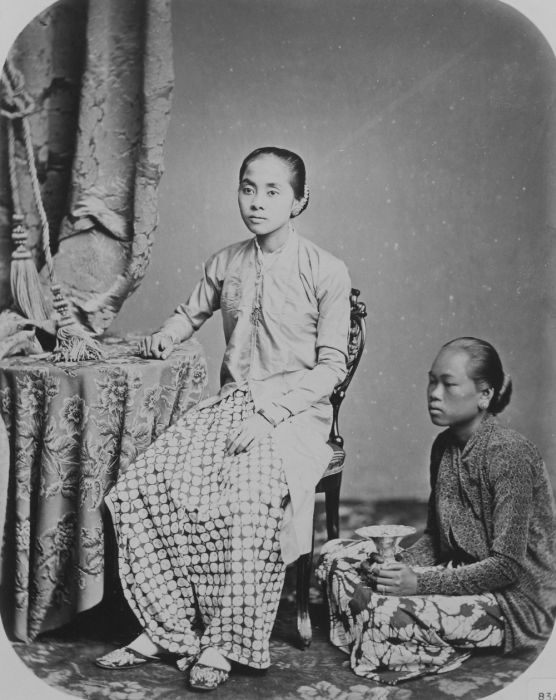
The Javanese language, locally called Basa Jawa, is an Austronesian language native to the island of Java in Indonesia. It serves as the mother tongue of the Javanese people and is widely spoken by many residents of Java regardless of ethnic origin. Javanese is the largest regional language of Indonesia and remains important in daily life, cultural ritual, oral tradition and regional media. For background on the people who traditionally speak this language see Javanese people and for the geographical origin refer to Java.
Image gallery
7 Images


Characteristics and registers
Javanese grammar follows typical Austronesian patterns with flexible word order and use of affixes to form verbs and nouns. A distinctive sociolinguistic feature is its system of speech levels or registers that express relative politeness and social distance. Commonly named levels include ngoko (informal), madya (middle), and krama (polite or formal), with additional finer distinctions used in highly ritualized situations. Pronouns, verbs and vocabulary change according to these levels, which makes fluency inseparable from social context.
Writing systems and literature
Historically, Javanese has been written in several scripts. The traditional indigenous script, Aksara Jawa or Hanacaraka, is an abugida derived from ancient Brahmi-type scripts and remains a symbol of classical literature and identity. Islamic scholars also used the Arabic-derived Pegon script for religious and educational texts. In modern times the Latin alphabet is widespread for everyday use, education and print media. Javanese boasts a long textual tradition including carved inscriptions, classical poetry (kakawin), meter-based songs (macapat), palace chronicles and wayang (shadow-play) literature.
Dialectal variation and regional centres
Javanese includes several regional varieties; some of the better-known groupings are Central Javanese (including the urban standard around Yogyakarta and Surakarta), East Javanese, and western dialects such as Banyumasan or Sundanese-influenced varieties. The strongest concentrations of speakers live in the provinces centered on Yogyakarta (Yogyakarta), Central Java (Central Java) and East Java (East Java). Dialects differ in pronunciation, vocabulary and in the degree to which traditional speech levels are observed.
History and external influences
The language developed from Old Javanese used in inscriptions and court literature and later evolved under influences from Sanskrit, Old Malay, Arabic and, in the colonial era, Dutch. These contacts introduced loanwords and shaped registers used in religious, literary and administrative contexts. Throughout its history Javanese has functioned both as a vehicle for courtly culture and as a living vernacular across social classes.
Uses, education and diaspora
Javanese is primarily used in everyday conversation, traditional arts (music, theatre, puppetry) and local media. In formal national education Indonesian is the dominant language; local initiatives support Javanese literacy and the teaching of its script in schools and cultural programs. Significant Javanese-speaking communities exist beyond Indonesia as part of historical migrations: examples include communities in Suriname, the Netherlands, New Caledonia, Hong Kong, Australia, parts of the Sri Lankan diaspora, and in neighbouring Southeast Asian locales (regional destinations).
Notable facts and contemporary trends
- Script revival and technology: The traditional Javanese script has received modern digital support and appears in signage, cultural projects and Unicode-aware fonts.
- Language vitality: While Javanese remains widely spoken, urbanization and the dominant role of Indonesian affect intergenerational transmission in some settings; local activism promotes teaching and media production in Javanese.
- Cultural role: Javanese is central to many performing arts, rituals and literary forms; mastery of its speech levels is often tied to social identity and etiquette.
For readers seeking a short orientation: Javanese is best understood as a living regional language with deep historical roots, significant internal diversity, and an enduring cultural presence both on Java and in overseas communities. Further materials on the people, places and scripts mentioned above can be followed via the links provided to each relevant topic.
Related articles
Author
AlegsaOnline.com Javanese language (Basa Jawa): overview, script, dialects and use Leandro Alegsa
URL: https://en.alegsaonline.com/art/49642
Sources
- glottolog.org : "Javanesic"