
Jewish languages: history, features, and major varieties
Languages and dialects that arose within Jewish communities worldwide, shaped by Hebrew, Aramaic, and local tongues; includes Yiddish, Ladino, Judeo-Arabic and others, many endangered or transformed today.
Jewish languages are the various idioms that developed among Jewish populations across different regions. These varieties arose when speakers combined Hebrew and Aramaic elements with the grammar and vocabulary of surrounding tongues, producing distinct spoken and written forms. For a general overview see languages and for how local speech diverged see dialects. They are tied to particular Jewish communities but also reflect wider social and historical forces.
Image gallery
5 Images


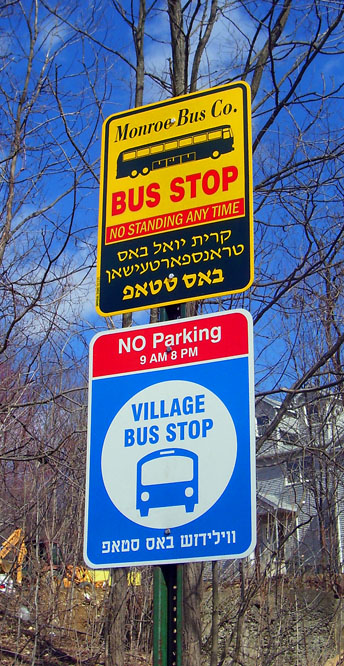
Characteristics
Common features include a high proportion of Hebrew and Aramaic vocabulary used for religious, legal and cultural concepts; retention of Semitic morphology in some forms; and occasional use of the Hebrew alphabet for writing. Influence from host languages — Slavic, Romance, Germanic, Arabic, Persian and others — shaped phonology, syntax and everyday lexicon. Some varieties developed special registers for liturgy, commerce and storytelling.
History and development
Roots lie in biblical and post‑biblical Hebrew and regional Aramaic, then diverged as Jewish populations dispersed. From medieval times onward, separate Jewish vernaculars matured: Ashkenazi Jews in Central and Eastern Europe created Yiddish; Sephardim on the Iberian Peninsula developed Judeo‑Spanish (Ladino); Middle Eastern and North African Jews created Judeo‑Arabic and related forms. The modern era brought printing, secular literature and, in the 20th century, major disruptions such as migration and the Holocaust, which dramatically affected speaker populations.
Major varieties and examples
- Yiddish: an Indo‑European language with Germanic core and Hebrew‑Aramaic elements, written in Hebrew script and rich in literature and theater.
- Ladino (Judeo‑Spanish): retains medieval Spanish features, also written in Hebrew script; known for folk songs and rabbinic texts.
- Judeo‑Arabic, Judeo‑Persian and Judeo‑Italian: regional varieties blending local tongues with Jewish religious vocabulary.
- Smaller or endangered forms: Yevanic (Judeo‑Greek), Juhuri (Judeo‑Tat), and others.
Uses, importance and current status
Historically these languages served everyday life, commerce, literature and religious explanation. Today some—like Modern Hebrew—have been revitalized; others survive in liturgy, folklore and community settings or are the focus of scholarly preservation. Many Jewish languages are endangered due to assimilation, language shift and demographic change, prompting documentation and revitalization efforts.
Distinctions and notable facts
Not every Jewish person historically spoke a distinct Jewish language; many used the dominant regional language without a separate Jewish variety. The prefix "Judeo‑" typically denotes a local variety with Jewish linguistic markers. Recognition, study and cultural revival differ by community and language, and contemporary interest includes literary translation, recordings and educational programs.
Related articles
Author
AlegsaOnline.com Jewish languages: history, features, and major varieties Leandro Alegsa
URL: https://en.alegsaonline.com/art/50127
Sources
- links.jstor.org : "Hebrew as the Spoken and Written Language in the Last Days of the Second Temple."
- palgrave.com : Language Contact and Lexical Enrichment in Israeli Hebrew
- degruyter.com : Jewish Language Contact
- bh.org.il : "Jewish Languages"