
Suriname: overview, geography, history, economy and culture
Concise encyclopedia entry on Suriname covering geography, people, history, economy, and culture with key distinctions and notable facts.
Overview
Suriname is a small, multilingual nation on the northeastern coast of South America. Officially the Republiek Suriname in the local administrative language, it is widely known by its English variant and formerly as Dutch Guiana. The country's demographic and administrative center is Paramaribo, which serves as the capital city and is home to a large portion of the population.
Image gallery
10 Images


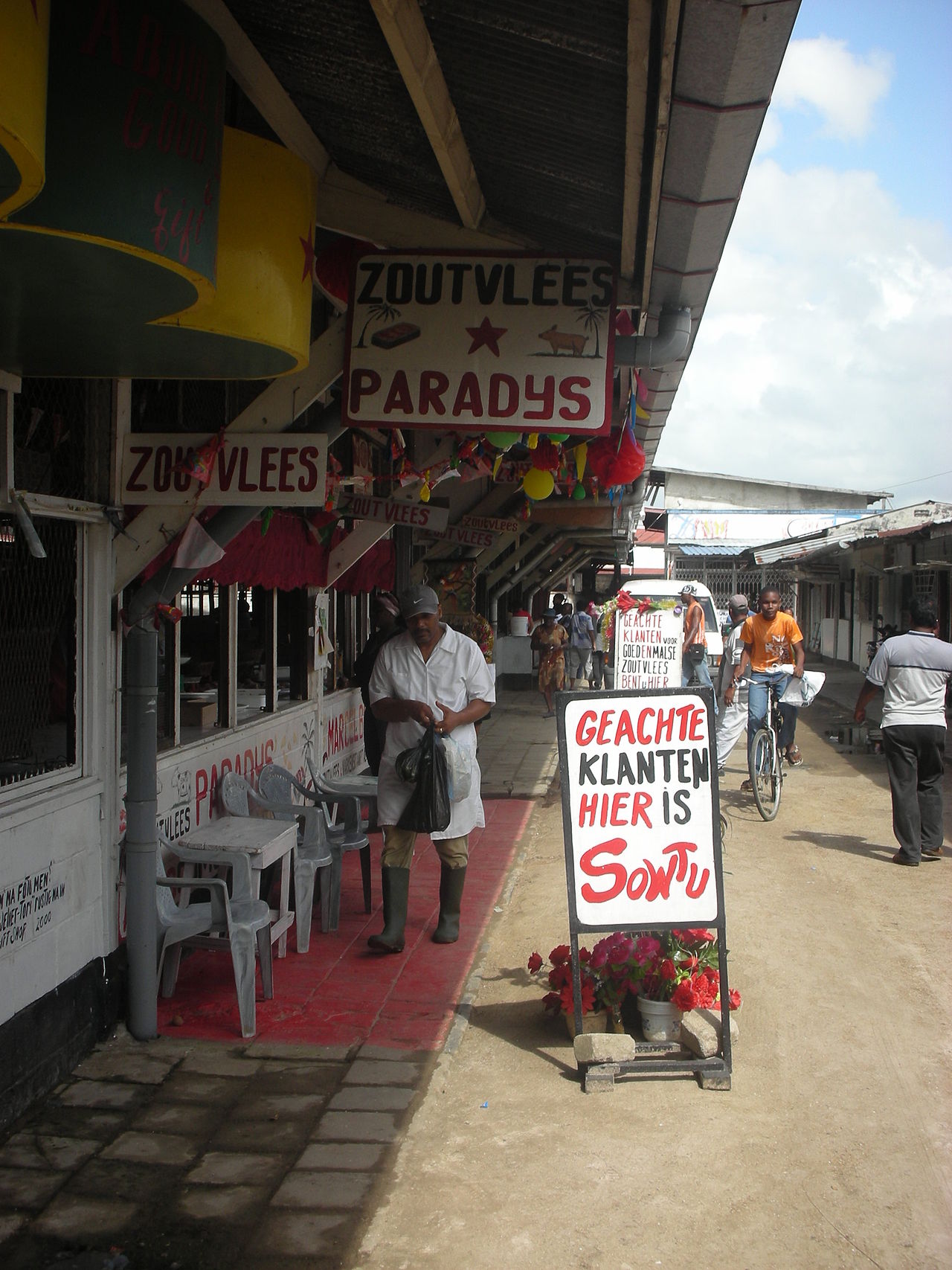

Geography and population
Suriname sits between Guyana to the west and French Guiana to the east. Much of its interior is covered by Amazonian rainforest, while the northern coastal plain hosts the main settlements and agricultural lands. The population is under one million and is ethnically and culturally diverse: descendants of Indigenous peoples, African slaves, indentured laborers from Asia, and migrants from Europe have shaped a plural society. Dutch remains the official language, and other languages and creoles are widely spoken.
History and political development
European exploration and colonial rivalry began in the early modern era, with Dutch and English settlements establishing plantation economies along the rivers. The area was once called Nederlands Guyana or Dutch Guiana; its colonial ties linked it to the Kingdom of the Netherlands. Like many former colonies, Suriname moved to independence in the 20th century, formally gaining sovereignty in 1975 from the Netherlands. Earlier colonial exchanges in the region included territorial swaps such as the ceding of claims that helped shape other parts of the Americas, including New Amsterdam in North America.
Economy and natural resources
The economy is resource-oriented. Key sectors include industry with a strong focus on mining, especially the extraction and processing of bauxite. Mineral and commodity exports have historically accounted for a large share of national exports. Other important products are sugar, oil and gold. Agriculture and forestry provide livelihoods for a significant segment of the workforce. Major international partners include the United States, the Netherlands and regional markets in the Caribbean.
Culture, society and land use
Surinamese culture reflects its layered history: African, Indigenous, Asian and European influences coexist in religion, cuisine and festivals. The colonial period introduced sugar plantations and the plantation economy left lasting social and demographic patterns. Urban life is concentrated in and around Paramaribo, while traditional communities persist in riverine and forested zones. Biodiversity in the interior is high and conservation, sustainable use, and the rights of Indigenous and Maroon communities are important contemporary issues.
Contemporary issues and distinctions
Suriname maintains diplomatic and economic relationships across the region and beyond while managing disputes over some border areas with neighboring territories. Its small population, multilingual character, and rainforest interior make it distinct among South American states. Tourism, sustainable mining practices, and balancing development with environmental protection are ongoing priorities for policymakers and civil society.
- Main neighbors: Guyana, French Guiana
- Notable exports: bauxite, gold, sugar, oil
- Languages and heritage: Dutch as official, with many local languages
For further reading, consult regional atlases and country profiles maintained by international organizations and libraries for up-to-date statistics and policy analysis.
Questions and answers
Q: What is the official name of Suriname?
A: The official name of Suriname is Republiek Suriname, which translates to Republic of Suriname in Dutch.
Q: When did Suriname become independent from the Netherlands?
A: Suriname became independent from the Netherlands in 1975.
Q: What are some border disputes that exist for this country?
A: There are border disputes with French Guiana and Guyana all to the south of the country.
Q: What industry makes up a large portion of its Gross Domestic Product (GDP)?
A: The mining and processing of bauxite makes up 15 percent of the Gross Domestic Product (GDP).
Q: What other exports does this country have besides bauxite?
A: Other exports include sugar, oil and gold.
Q: How many people live in this country?
A: About half a million people live in this country.
Q: Who were some early explorers who discovered this area? A: Early explorers who discovered this area included Dutch, French, Spanish and English explorers in the early 16th century.
Related articles
Author
AlegsaOnline.com Suriname: overview, geography, history, economy and culture Leandro Alegsa
URL: https://en.alegsaonline.com/art/95184
Sources
- statistics-suriname.org : Census profile at district level
- imf.org : "Suriname"
- hdr.undp.org : "Human Development Report 2010"