
Just Say No: U.S. anti‑drug slogan and prevention campaign
“Just Say No” was a prominent 1980s U.S. anti‑drug slogan promoted by First Lady Nancy Reagan as part of broader War on Drugs efforts; it influenced school programs, public debate, and cultural responses.
Overview
Just Say No was a short, direct slogan and public education effort promoted in the United States in the 1980s and early 1990s to discourage drug use among young people. It emphasized a simple refusal response — saying "no" to offers of illegal drugs — and was circulated through print materials, television public service announcements, school talks and community events. The campaign operated within a wider policy context commonly referred to as the War on Drugs and became a recognizable part of national prevention messaging.
Image gallery
6 Images



Origins and promotion
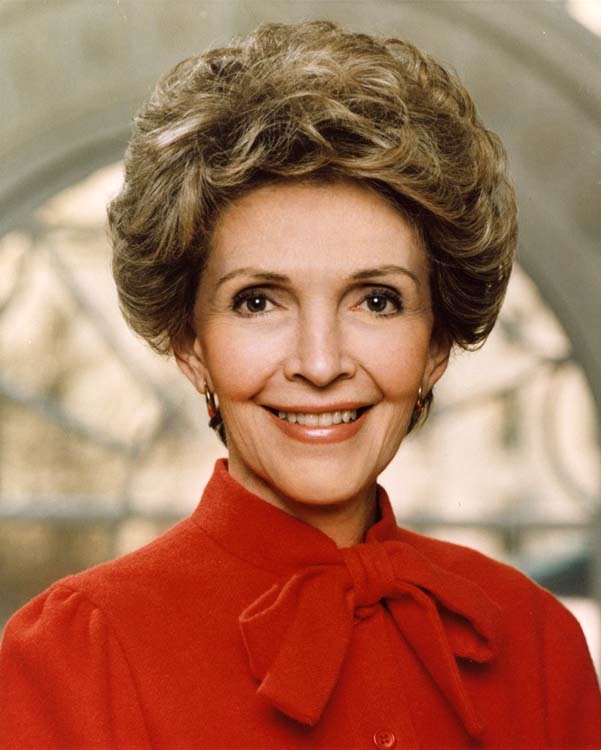
The phrase was popularized by First Lady Nancy Reagan and used as the centerpiece of a high‑visibility program. Materials resembling an advertising campaign were distributed to schools and community groups; buttons, posters and short lesson plans reinforced the slogan's intent. Public appearances by the First Lady and allied organizations helped make the phrase widely known across media and age groups, and it was adapted at local levels into clubs and peer‑led activities.
Implementation and content
Implementation included televised public service announcements, brief classroom sessions that practiced refusal skills, and community outreach that framed the slogan as a behavioural tool. In many places the message was integrated into existing prevention curricula or used as the theme for school assemblies. Some programs extended the phrase to discourage other risky behaviours, such as youth violence or unsafe sexual activity; this broadened use reflected its role as a simple, memorable call to action.
Evidence, reception and criticism
Supporters argued the message provided an easy, teachable tactic for children facing peer pressure and helped raise public awareness about substance use. Critics, however, cautioned that a one‑line slogan could be overly simplistic as a comprehensive prevention strategy. Evaluations and public health discussions have pointed out limitations: slogan‑based messages do not on their own address socioeconomic drivers, mental health issues, or the needs of people with established dependence. Many prevention experts have advocated combining education with broader measures such as family support, access to treatment, community services and policies aimed at reducing harm.
Legacy and cultural impact
The phrase entered common parlance and was referenced in entertainment, satire and political debate. It remains a frequently cited example in discussions of public messaging, illustrating both the power of a simple slogan to shape public discourse and the limits of brief prevention messages in changing complex behaviours. Historical accounts and retrospective commentary often mention Nancy Reagan when describing the campaign's public face and the role of high‑profile advocacy in health campaigns.
Contemporary perspective
Modern prevention practice tends to favour multi‑component strategies that combine skill‑building with structural supports and evidence‑based interventions. While "Just Say No" is remembered for its visibility and cultural footprint, contemporary approaches emphasize tailoring messages to developmental stages, integrating family and community resources, and linking prevention with treatment and harm‑reduction services. The campaign is therefore studied both as a historical phenomenon and as a case study in how public health messages are framed, promoted and evaluated.
- Key traits: concise messaging, media visibility, school and community engagement.
- Main critique: oversimplification of complex causes of substance use.
- Enduring effect: wide cultural recognition and ongoing debate about prevention strategies.
Related articles
Author
AlegsaOnline.com Just Say No: U.S. anti‑drug slogan and prevention campaign Leandro Alegsa
URL: https://en.alegsaonline.com/art/51760
Sources
- reaganfoundation.org : "Mrs. Reagan's Crusade"