
Arabian horse: history, characteristics, and cultural importance
An overview of the Arabian horse breed: origins, physical and behavioral traits, historical development, uses in sport and breeding, and notable distinctions.
The Arabian horse is a distinctive and influential horse breed known for its refined appearance, endurance, and close historical ties to human cultures of the Arabian Peninsula. Valued for both its aesthetic qualities and its capacity to perform over long distances, the Arabian has been selectively bred for many centuries and has contributed genetic and functional traits to numerous other riding breeds. For general background on breeding and breed standards, see breed resources and reports on its cultural role at heritage sites.
Image gallery
10 Images


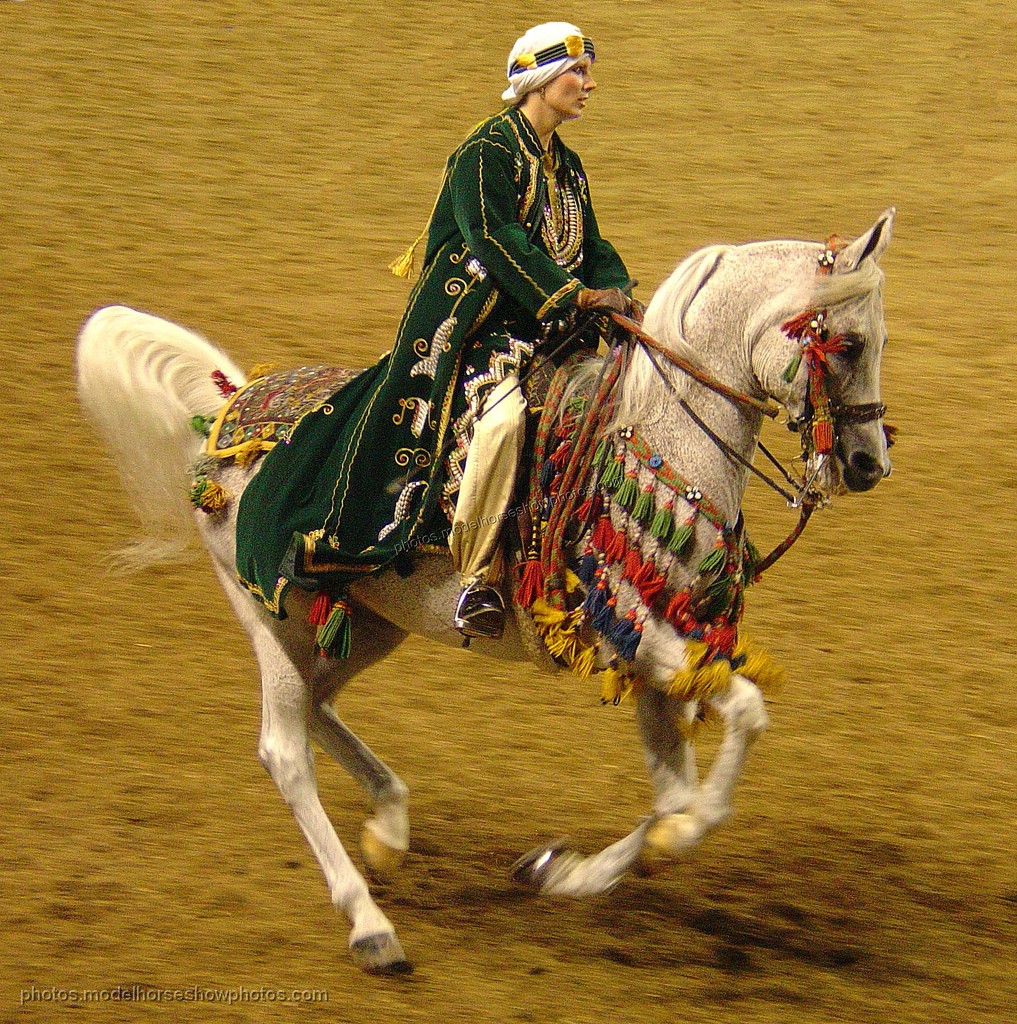

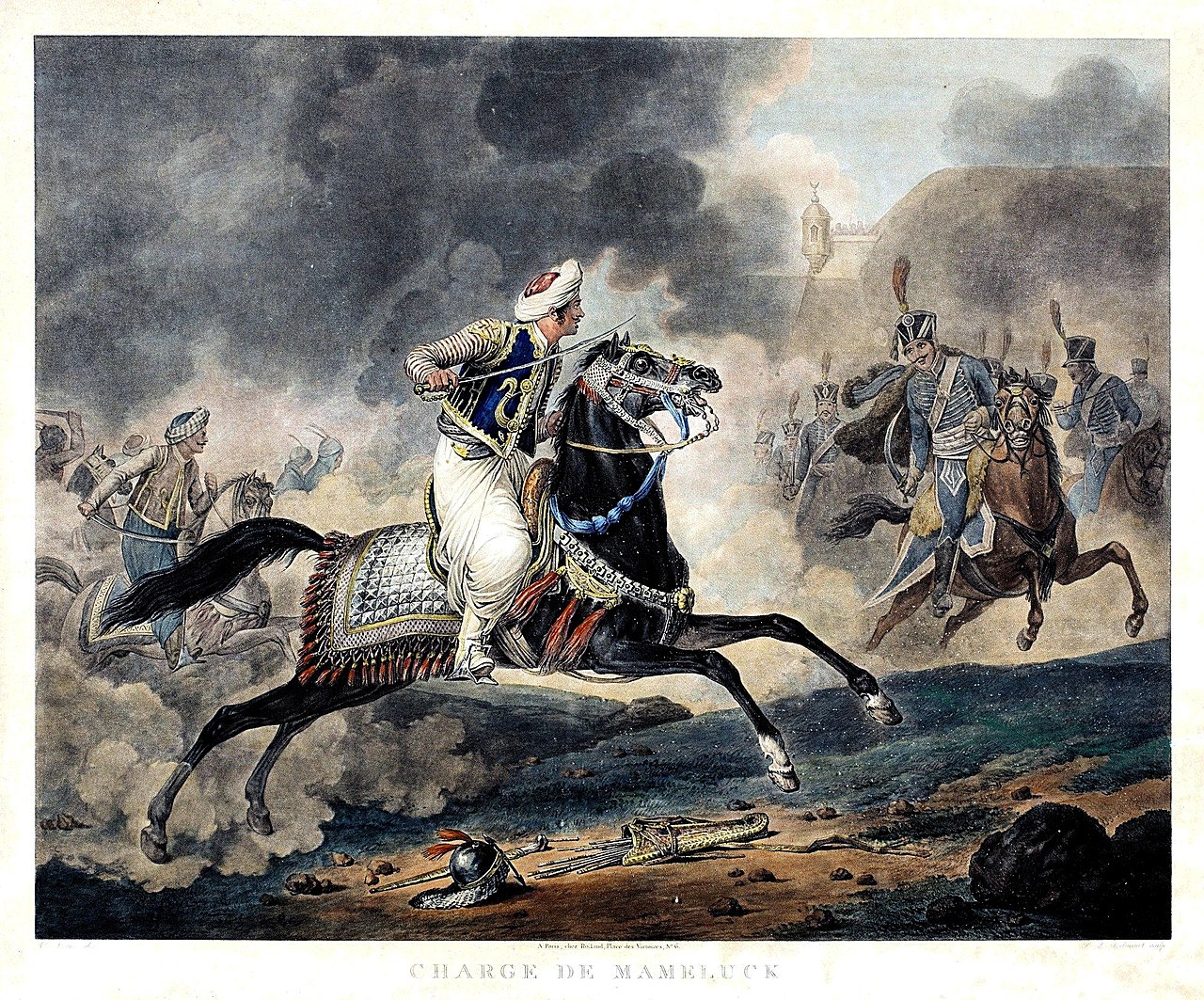

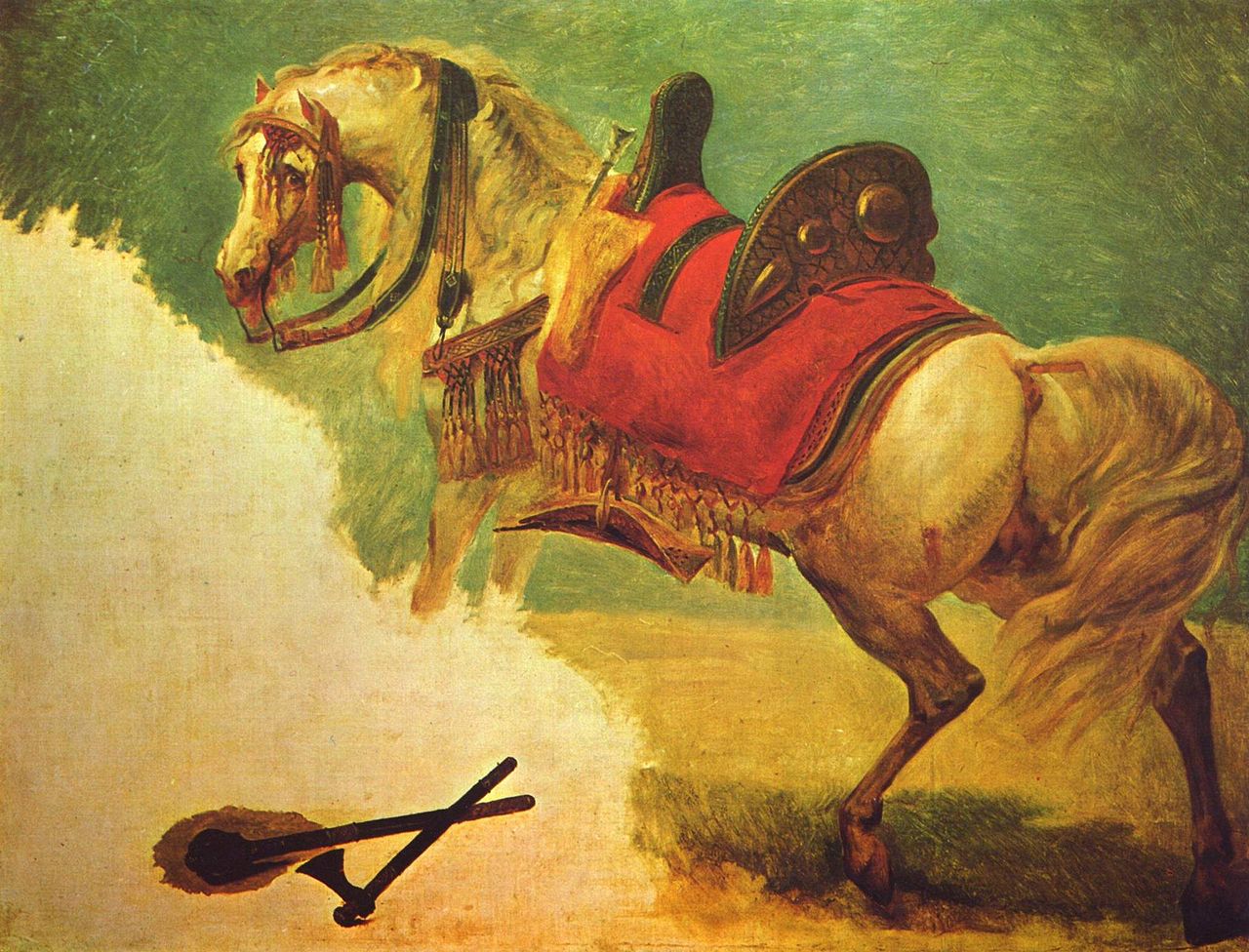


Physical characteristics
Arabians are recognized for a set of physical features that are consistent across most lines: a relatively small, strongly chiseled head with a concave ("dished") profile, large expressive eyes, a broad forehead, and wide nostrils that support efficient respiration. They typically carry their tails high and have compact, well-muscled bodies with strong bone relative to size. These attributes combine to produce a horse that appears elegant while remaining hardy. Further technical descriptions and measurements appear in comparative studies and breed guides: conformation details, physiology and stamina, and skeletal notes.
History and development
The Arabian developed over many centuries in arid regions where Bedouin communities managed herds under demanding environmental conditions. Close human attention — including selective mating, careful care of mares and foals, and protection of prized animals — shaped a type adapted to desert travel: quick to recover, alert, and able to cover long distances on limited forage. The intimate relationship between people and horses led to strong traditions of record-keeping and lineage; historical summaries and cultural accounts are available at historical collections and ethnographic resources such as tribal records and oral histories.
Uses, influence and examples
Historically used for transport, raiding, and warfare where mobility was essential, Arabians later became prized in civilian roles: endurance riding, shows, and light harness work. Their stamina and refined conformation made them valuable in crossbreeding programs to introduce endurance, refinement, and strong bone into other breeds; traces of Arabian ancestry appear in many modern riding horses. Contemporary uses and breeding programs are discussed in resources on sport and improvement: endurance sport and breeding influence.
Temperament and care
Arabians are often described as intelligent, sensitive, and loyal to handlers. Their temperament tends to respond quickly to training and to human attention, which is an advantage in disciplines that require responsiveness and endurance. Because of their sensitivity, positive and consistent handling is recommended; training approaches and welfare information can be found at care guides. Proper conditioning, nutrition, and veterinary care are important to maintain their performance and longevity.
Notable distinctions and conservation
As one of the oldest identifiable breeds, the Arabian carries a special place in equine history and culture. It is frequently featured in museums, literature, and ceremonial life, and preserves several distinct bloodlines maintained by breed registries and enthusiasts. Contemporary discussions cover breed conservation, registry standards, and modern sport participation; for summaries and resources see registry overviews.
- Overview: refined appearance, endurance, and historical importance.
- Key traits: dished face, high tail carriage, large nostrils, compact body.
- Roles: endurance sport, show, crossbreeding, cultural symbol.
Because the Arabian's qualities combine physical resilience with a sociable disposition toward people, it remains one of the most widely admired and influential horse breeds worldwide. For deeper study, consult the cited breed and historical resources above and local breed organizations that preserve and document specific bloodlines.
Questions and answers
Q: What is the Arabian horse famous for?
A: The Arabian horse is famous for its beauty and stamina.
Q: How old is the Arabian horse breed?
A: The Arabian horse breed is one of the oldest horse breeds in the world.
Q: Why are Arabian horses bred with other breeds?
A: Arabian horses are bred with other breeds to add speed, beauty, endurance, and strong bones.
Q: Where did the Arabian horse develop?
A: The Arabian horse developed in the deserts of Arabia by the Bedouin people.
Q: What was the Arabian horse used for in the past?
A: The Arabian horse was used as a war horse, which meant that it needed speed and to be very alert.
Q: What traits did the Arabian horse develop due to its close relationship with humans?
A: Due to its close relationship with humans, the Arabian horse developed a kind temper and was quick to learn.
Q: How should people treat Arabian horses today?
A: People today should treat Arabian horses with kindness and respect due to their blend of traits.
Tags
Related articles
Author
AlegsaOnline.com Arabian horse: history, characteristics, and cultural importance Leandro Alegsa
URL: https://en.alegsaonline.com/art/5131