
Izanami: Japanese goddess of creation and death
Izanami is a central kami in Japanese mythology, associated with both creation and death. Her descent to Yomi and subsequent role in Shinto ideas of life, death, and ritual impurity are recounted in early chronicles.
Overview
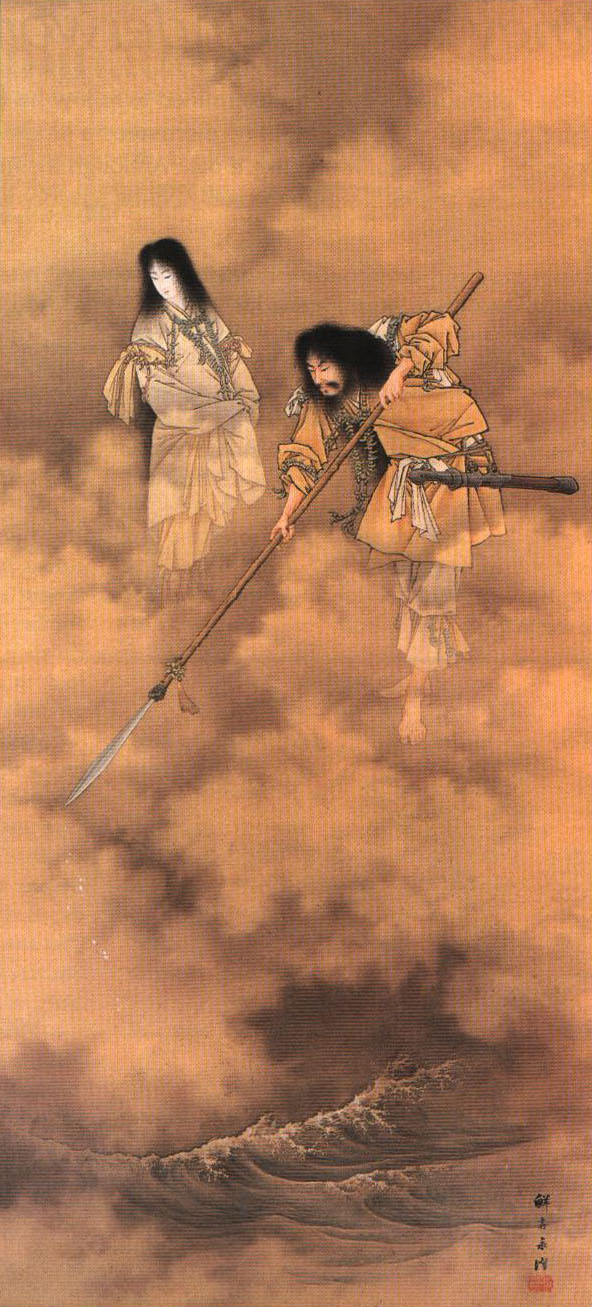
Izanami is a prominent figure in Japanese mythic tradition, described as a creator deity and also as a goddess linked to death and the land of the dead. She appears in the early chronicles as the partner of Izanagi; together they are credited with forming the Japanese islands and begetting many kami (gods or spirits). Her narrative bridges themes of birth, mortality, and the boundary between the living and the dead.
Image gallery
7 Images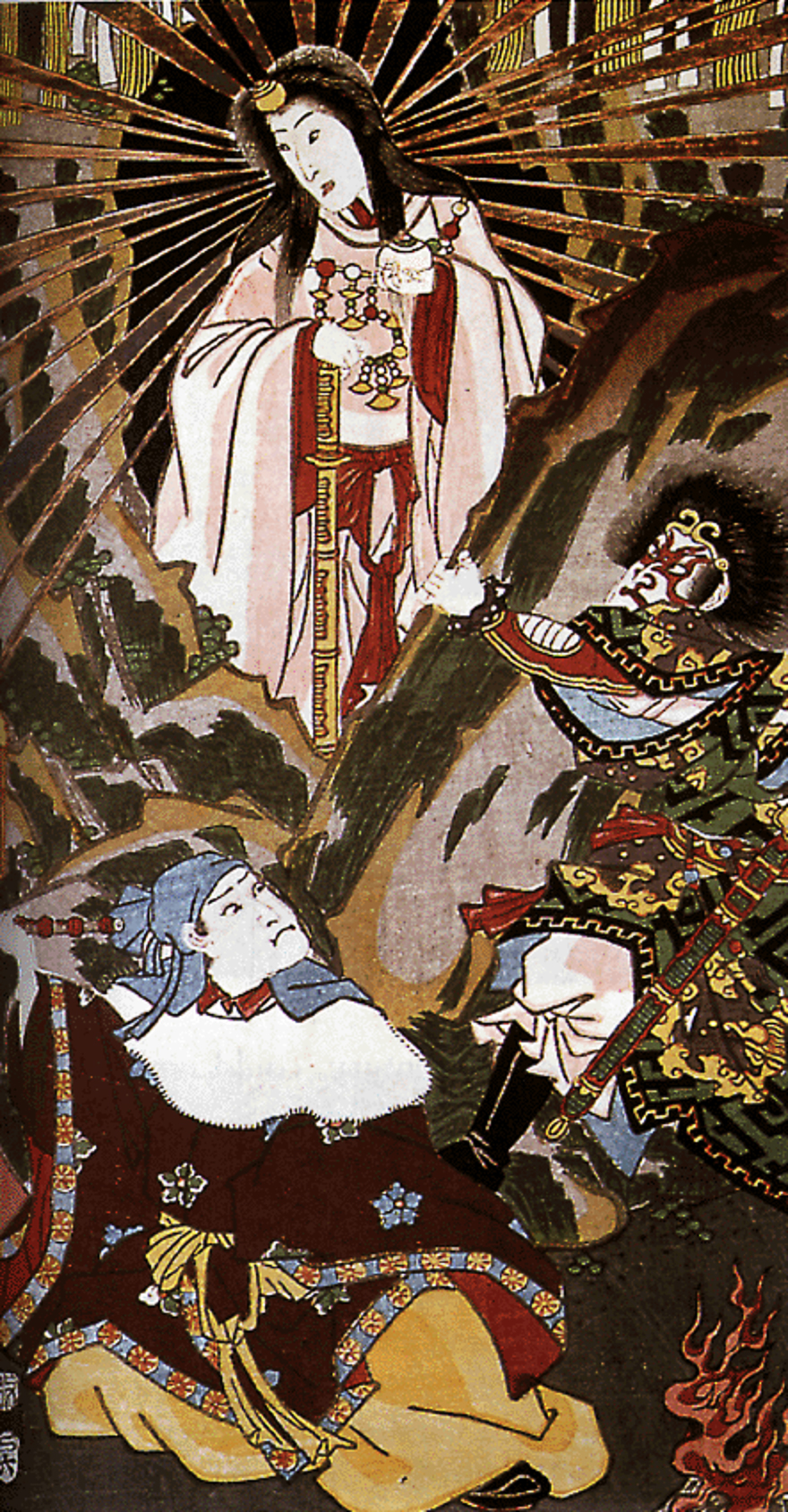


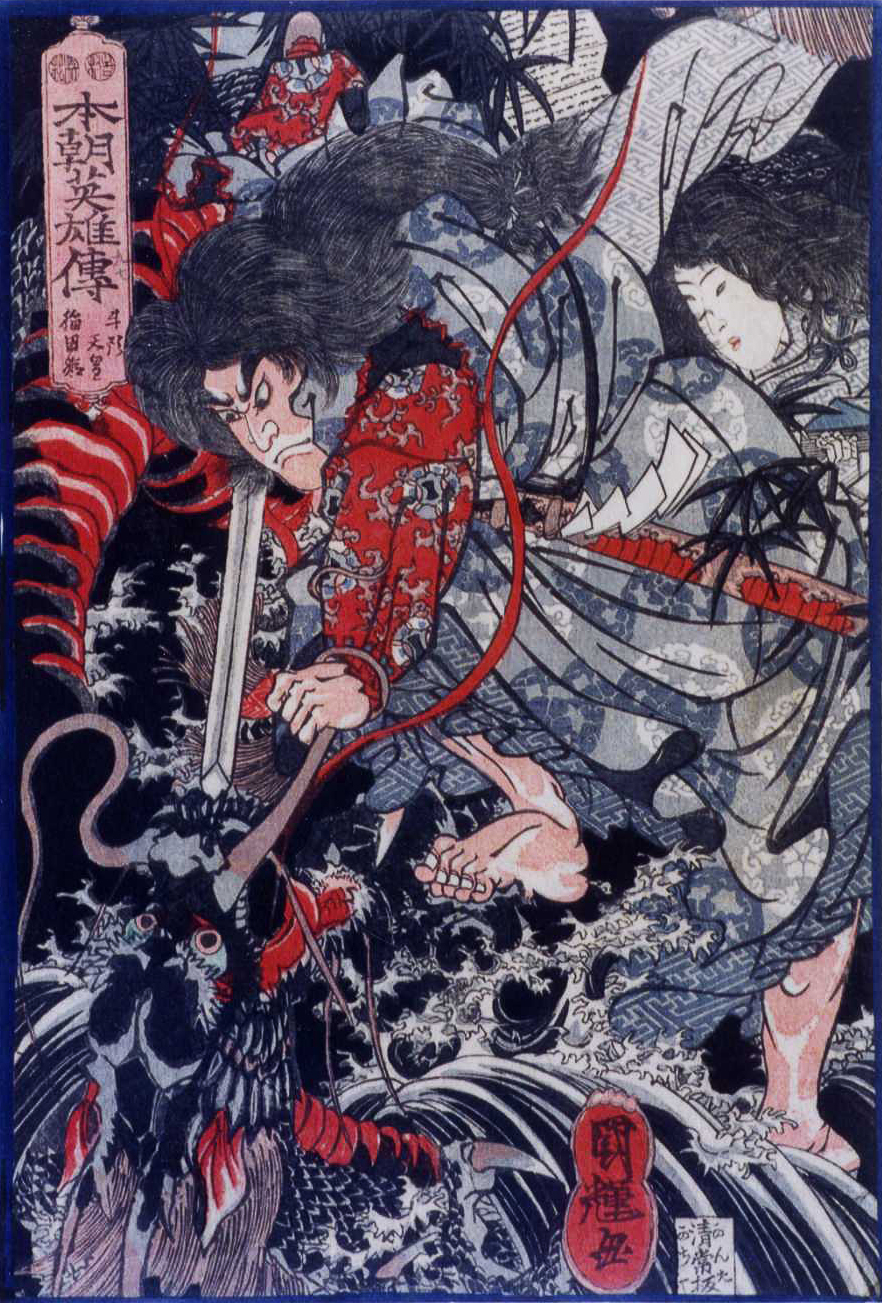


Mythic origins and primary sources
The principal accounts of Izanami’s story are preserved in classical texts such as the Kojiki and the Nihon Shoki, where the creation of the land and the genealogy of the kami are recounted. In these sources she is presented as the spouse of Izanagi; their union produces islands and many divine offspring, including the fire deity Kagutsuchi, whose birth leads to Izanami’s mortal wound and death.
The descent to Yomi and its aftermath
A defining episode in Izanami’s tale is her journey to Yomi, the land of the dead. After dying in childbirth, she is said to have gone to Yomi and become bound to that realm. Sorrowful, Izanagi journeys to Yomi to retrieve her, but their reunion fails when he violates her request not to be viewed. Finding her changed by death — having eaten the food of Yomi and become a corpse — he flees in horror. Izanami, enraged at his betrayal, pursues him. The pair are finally separated when Izanagi blocks the entrance to Yomi with a rock, an act that explains the enduring separation between life and death in the mythic landscape.
Vows, roles, and symbolic meaning
Following the separation, the myth records a grim bargain: Izanami vows to take a number of lives each day from the world of the living, while Izanagi vows to ensure a greater number of births. These numbers are presented as symbolic of the balance between death and life and explain the natural cycle rather than literal statistics. Izanami’s transformation from creator to a figure associated with death and impurity gives her a complex role in Shinto thought, where death is often linked with ritual defilement (kegare) and requires purification rites.
Worship, iconography, and later interpretations
Izanami does not feature as a commonly worshipped household deity in the same way as some other kami, but she has been honored in various regional shrines and in narratives that reflect on mortality and creation. Over time, elements of her story have been reinterpreted in literature, theater, and modern media; scholars and artists often explore her dual nature as both mother and underworld figure. While later popular terms for death spirits such as "shinigami" are sometimes retroactively associated with Izanami, that specific term is a later linguistic development and should not be conflated uncritically with the classical texts.
Characteristics, cultural importance, and notable facts
- Dual role: Izanami embodies both creative power and the domain of death.
- Primary texts: Her story is central to the early Japanese chronicles: see traditional accounts and commentary in the major compilations.
- Yomi: The land of the dead is a key setting; narratives about Yomi shape Shinto notions of purity and pollution (kegare).
- Associated deities: Her relationship with Izanagi and the birth of fire-god Kagutsuchi are pivotal to the creation cycle.
- Later influence: Her figure informs themes of loss, boundary, and regeneration in Japanese culture; see discussions in literary and religious studies (further reading).
- Modern perspectives: Contemporary scholarship often examines her story for insights into gender, death rites, and the social function of myth (scholarly overview).
Summary: Izanami remains a multilayered presence in Japanese myth: originating as a creative partner who gives birth to the world and its deities, she becomes irrevocably linked to death and the underworld. Her myth explains fundamental cultural attitudes toward life, death, and ritual practice, and continues to be a subject of interpretation across religious studies, literature, and popular culture.
Related articles
Author
AlegsaOnline.com Izanami: Japanese goddess of creation and death Leandro Alegsa
URL: https://en.alegsaonline.com/art/48756