
Iðunn — Norse goddess of youth and keeper of the golden apples
Iðunn is a Norse goddess associated with youth, renewal and the golden apples that sustain the gods. Her abduction and return are central myths in the Poetic and Prose Edda and illustrate themes of dependence and renewal.
Iðunn (Old Norse Iðunn or Idunn) is a figure in Norse mythology closely connected with youth, renewal and the provision of longevity to the Æsir. She is most often described as the guardian of special apples that the gods consume to maintain their vigor. While relatively few passages mention her directly, those accounts give Iðunn a distinct role among the divine household and highlight her importance to the continuing life and strength of the gods.
Image gallery
4 Images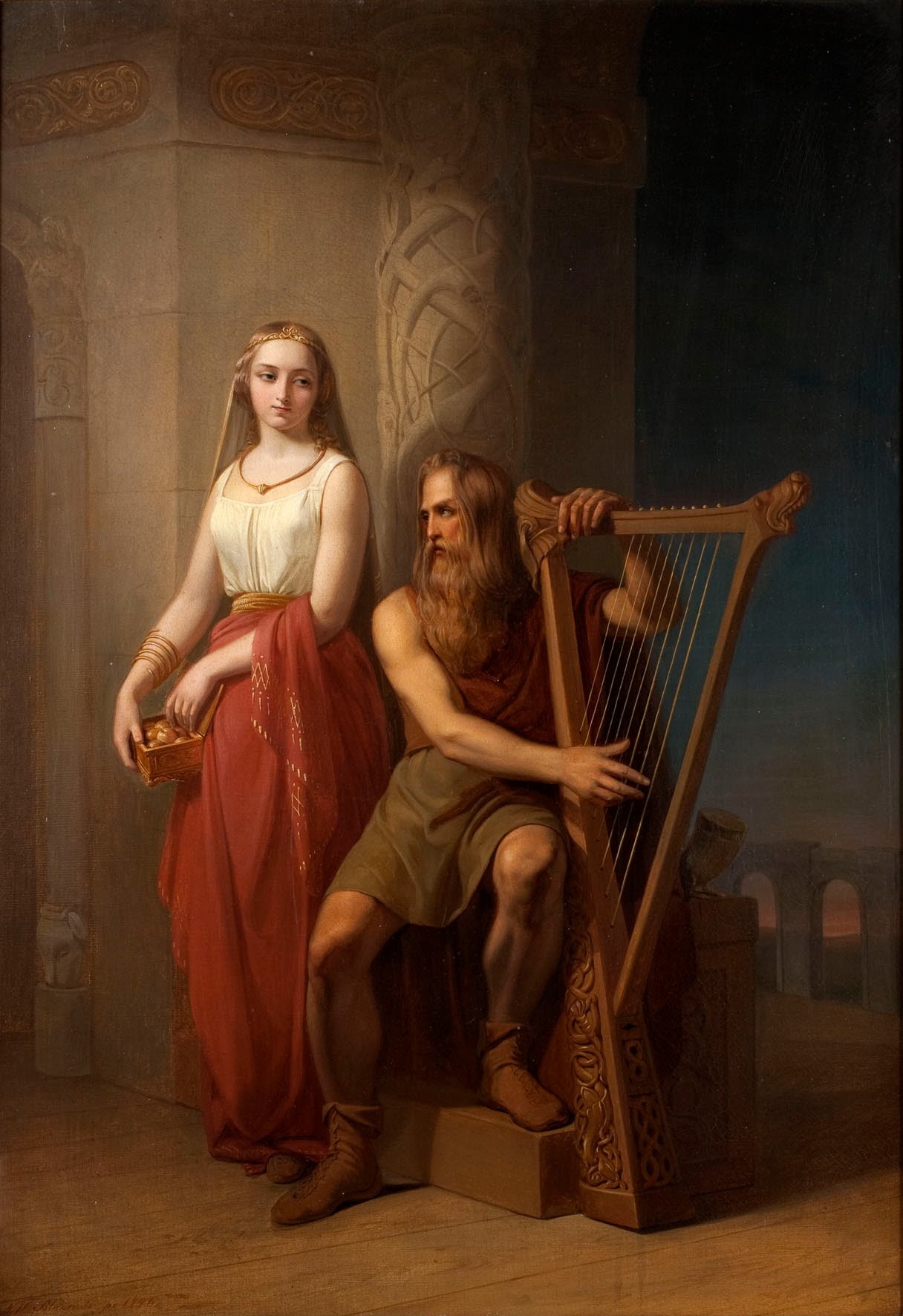

Role and attributes
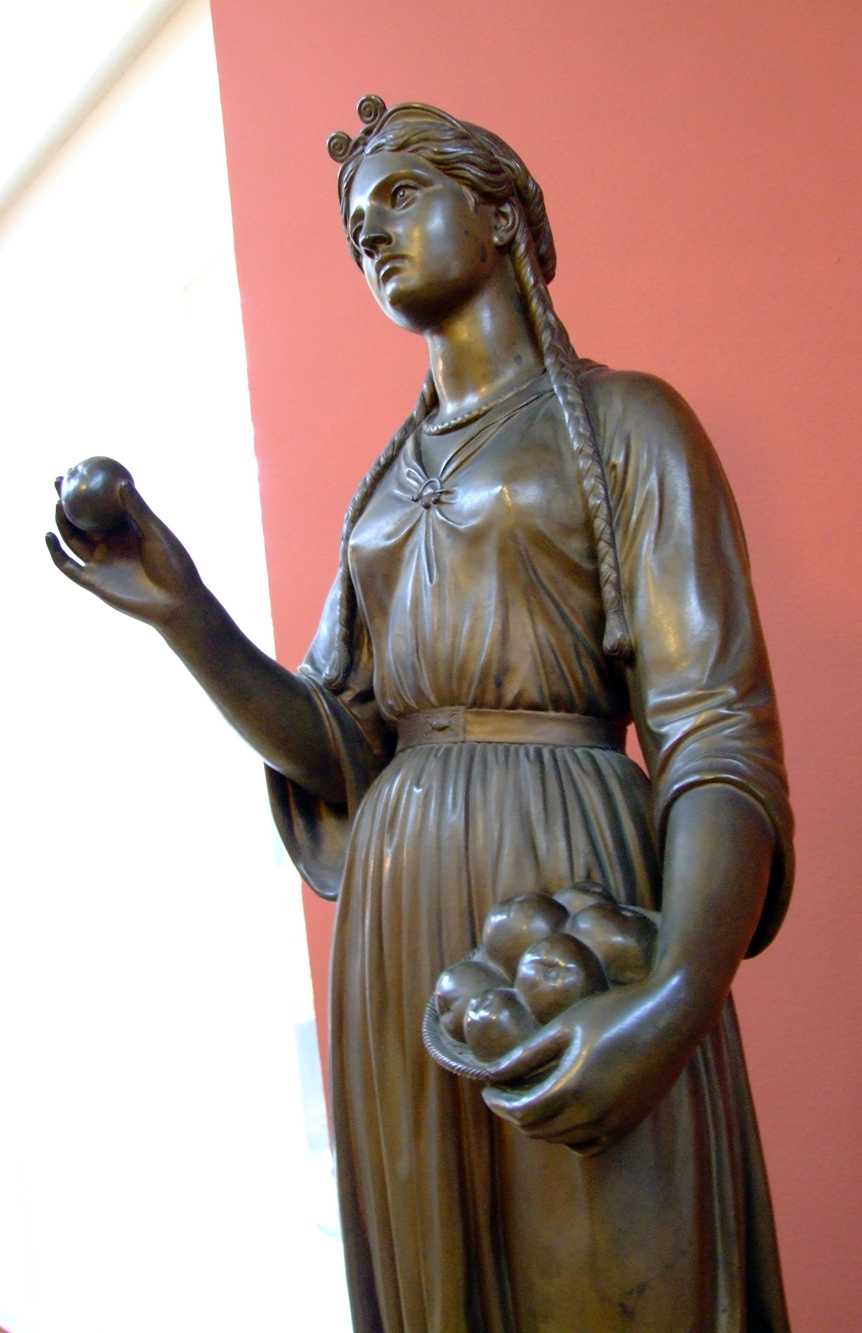
In extant mythic texts Iðunn is portrayed as the keeper of golden apples, objects tied to the gods' continued youthfulness. She is also identified as the wife of Bragi, the poet-divinity; some sources emphasize her domestic and protective duties while leaving her wider genealogy unclear. Iðunn herself has few personal epithets in the surviving corpus, but her function—preserving the gods’ vitality—makes her indispensable to the Norse divine order.
Major myths
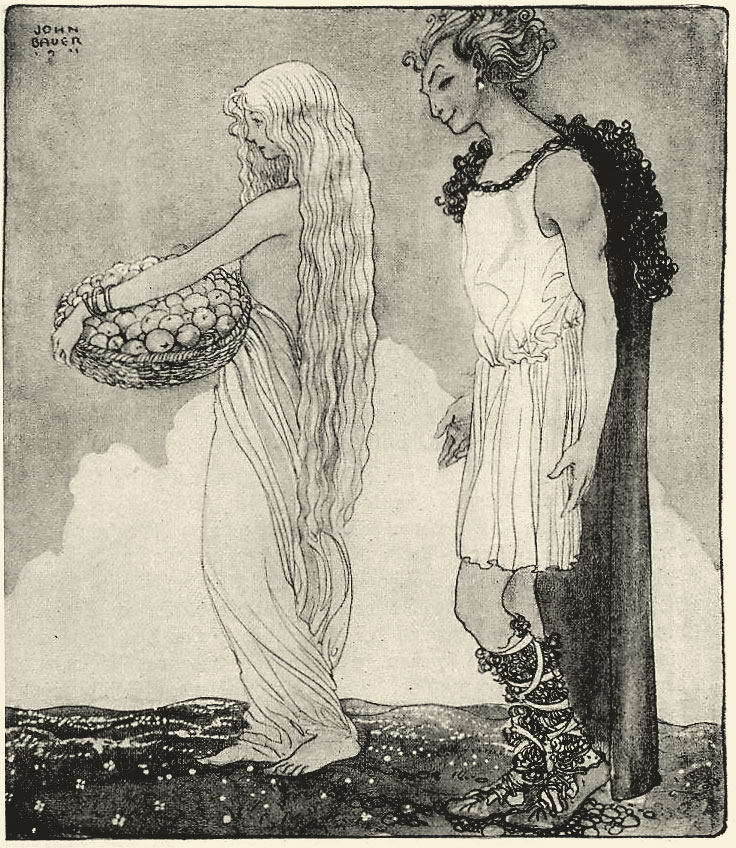
The most familiar narrative involving Iðunn appears in accounts where she is abducted by a jötunn and spirited away, causing the gods to age or weaken when they cannot obtain her apples. A trickster god (often named as Loki in later sources) is involved in her capture and in the scheme that eventually restores her to the gods. These episodes are preserved primarily in medieval Icelandic compilations and are commonly cited when discussing the vulnerability of the pantheon.
Symbolism and comparisons
Iðunn’s apples represent a concentrated life-force or renewal rather than literal immortality: they allow the Norse deities to remain capable until the time of Ragnarök. Scholars frequently compare her fruit to other cultural motifs—sacred food or water that sustains gods and heroes—while noting distinctive Norse emphases on fate and cyclical endings. The apples and Iðunn’s guardianship highlight how dependence on specific sacred objects can structure mythic communities.
Attestations and cultural legacy
References to Iðunn are relatively sparse but appear in primary Old Norse sources collected in the Poetic and Prose traditions. Her story has been retold and reinterpreted in modern literature, art and popular culture, where she is often portrayed as a symbol of renewal or as an agent whose absence precipitates crisis. The narratives also underline how the well-being of the Norse gods could hinge on a single figure and her charge.
Further points and reading
- For connections to Bragi and skaldic tradition see discussions of Bragi and early poetic imagery.
- Comparative studies of divine food and youth explore parallels with other mythic traditions and the concept of sacred sustenance, as in studies noted at the god of poetry and related literature.
Related articles
Author
AlegsaOnline.com Iðunn — Norse goddess of youth and keeper of the golden apples Leandro Alegsa
URL: https://en.alegsaonline.com/art/48672