
Bragi — Norse god of poetry and music
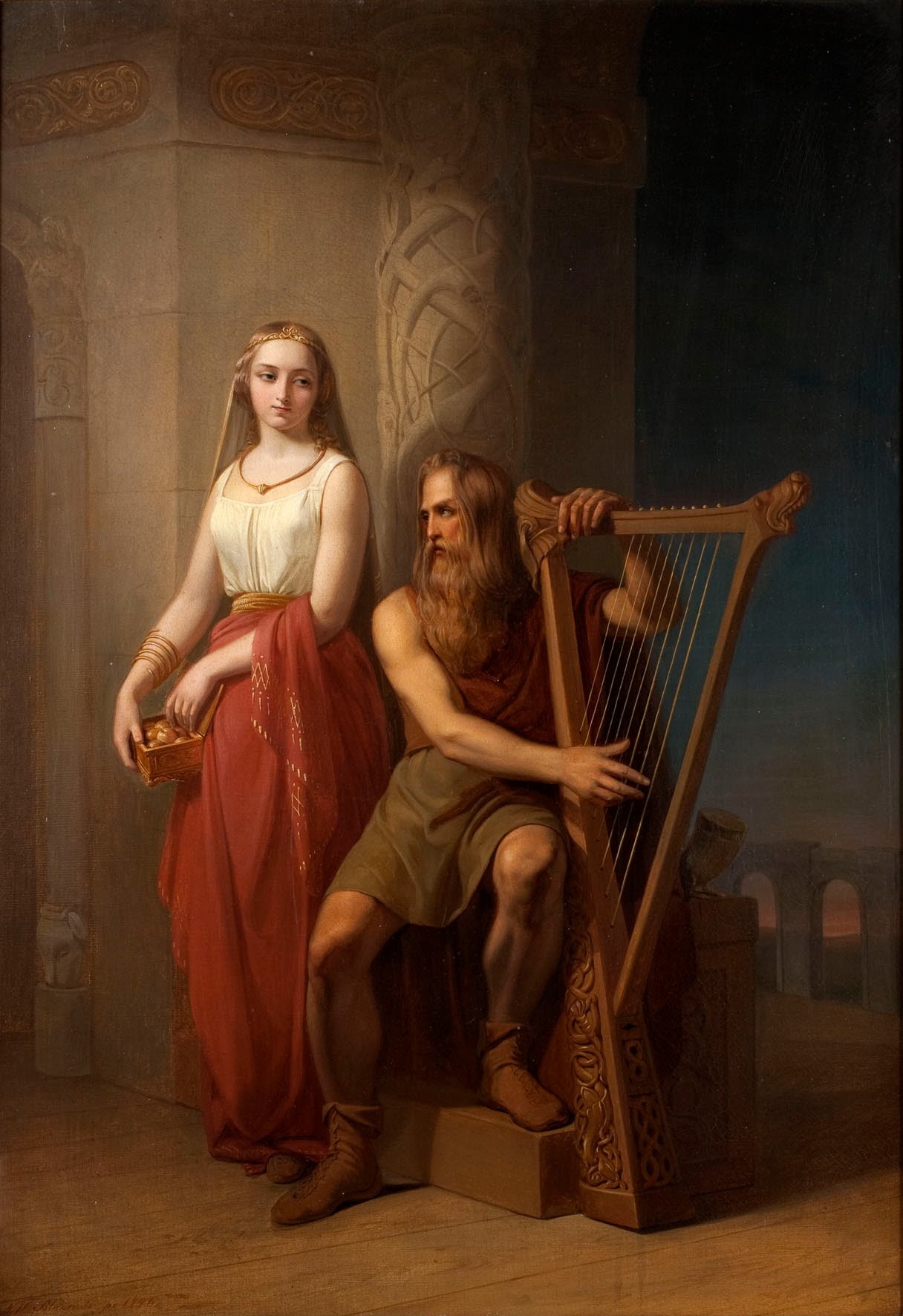
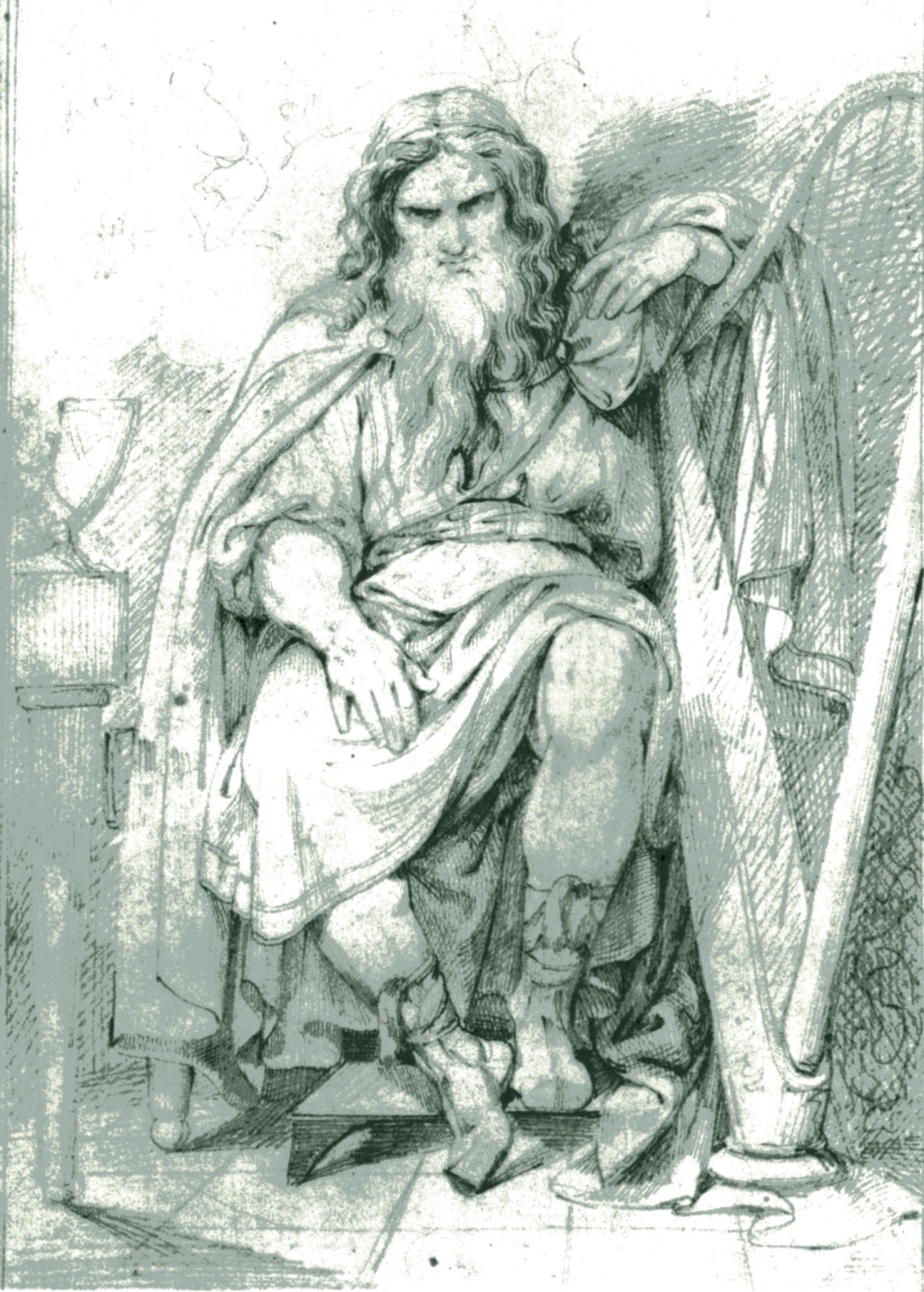
Bragi is the Norse deity associated with poetry, eloquence and music. Often paired with the goddess Iðunn, he appears in medieval sources as a wise, bearded figure and as a namesake of historic skalds.
Overview
Bragi is a figure from Old Norse religion best known for his association with poetry, song and eloquence. In medieval Icelandic sources he appears among the Æsir and is described as a wise and eloquent speaker. His name is closely tied to the Old Norse word for poetry or the foremost, which reflects his role as patron of poetic art.
Image gallery
4 Images

Characteristics and iconography
Medieval descriptions and later artistic traditions portray Bragi as an older, long-bearded man often shown with a stringed instrument such as a harp or lyre, symbols of musical skill. He is linked with persuasive speech, composition and recitation rather than with war or agriculture. Common attributes in later imagination include a harp, a flowing beard and a calm, courtly presence.
Origins and textual sources
Most of what we know about Bragi comes from the Poetic and Prose Eddas and other Icelandic writings compiled in the 12th–13th centuries. These texts present him as one of the Æsir and identify him as the husband of the goddess Iðunn. Scholarly discussion often distinguishes the god Bragi from the historical 9th-century skald Bragi Boddason, who may have contributed to the deity's name or reputation.
Functions, cultural role and legacy
As a divine patron of skaldic poetry, Bragi represents the ideal of eloquence in Norse culture. He is sometimes imagined as the reciter of verse in halls and an exemplar for court poets. Popular modern depictions emphasize his musical role—some romantic retellings even give him the function of waking the world with music at dawn—but such elaborate cosmological duties are not prominent in the surviving medieval sources.
Notable facts and distinctions
- Bragi is married to the goddess Iðunn, keeper of the divine apples in the Eddas.
- His name is linked etymologically to the Old Norse word for poetry and to the title given to distinguished poets.
- Scholars separate the god Bragi from the historical poet Bragi Boddason, though their identities influenced one another in tradition.
- Accounts about his death at Ragnarök or other dramatic fates are sparse and often appear in later or popularized narratives rather than in clear primary-source attestations.
For broader context on Norse deities and the textual tradition that preserves them, see general treatments of Norse mythology and the medieval Eddic sources.
Related articles
Author
AlegsaOnline.com Bragi — Norse god of poetry and music Leandro Alegsa
URL: https://en.alegsaonline.com/art/13636