
Janata Dal (United) (JD(U))
Janata Dal (United) is an Indian centre-left political party, rooted in socialist politics and most active in Bihar and Jharkhand, known for coalition politics and social‑welfare oriented governance.
The Janata Dal (United), commonly abbreviated JD(U), is a political party in India with a broadly centre-left orientation. It operates primarily in the states of Bihar and Jharkhand, and has played a significant role in state and national coalition politics. The party traces its origins to a 2003 merger of regional and national socialist factions and has been associated with veteran leaders including George Fernandes and others who emerged from the Janata tradition. Its identity combines commitments to social justice, governance reforms and regional development.
Image gallery
10 Images


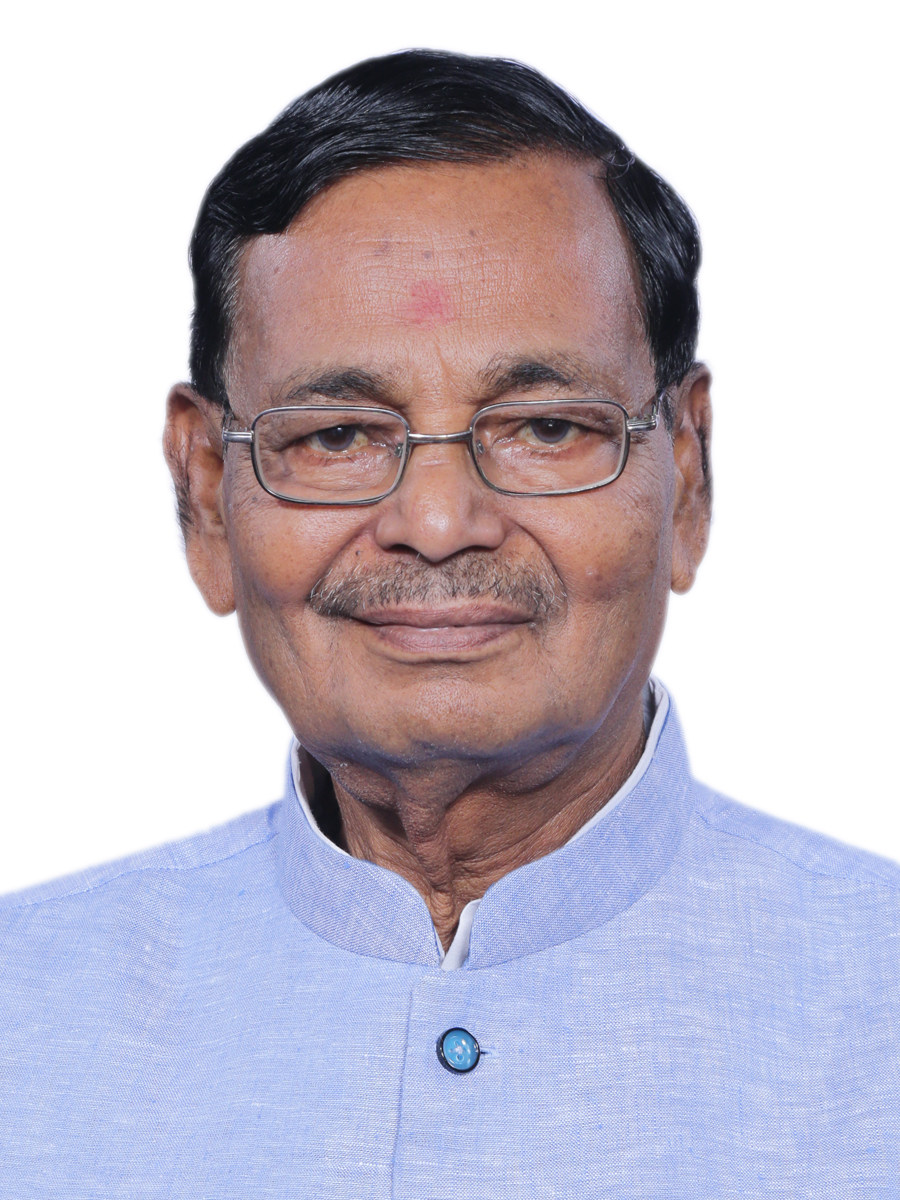


History and development
JD(U) was established on 30 October 2003 through the amalgamation of several groups that split from older Janata formations. The merger brought together leaders and cadres from the Sharad Yadav faction of the old Janata Dal, the Lokshakti Party and the Samta Party. Since its formation the party has undergone shifts in alliances and strategy: it has joined and left larger national coalitions at different times, reflecting its pragmatic approach to regional power and policy priorities. These shifts have shaped its role in both state governments and national politics.
Organisation and ideology
Organisationally, JD(U) functions through state units and local committees, with a leadership that has emphasized consensus among coalition partners. Its ideological roots lie in the socialist and social-democratic strands of Indian politics: the party often highlights policies aimed at social welfare, rural development, and inclusive growth. While positioning itself left of centre on many issues, JD(U) has also entered coalitions with parties across the political spectrum to pursue administrative objectives.
Electoral presence and governance
The party's strongest electoral base is in Bihar, where it has led state governments and played a central role in governance. A prominent figure associated with JD(U) has served multiple terms as Chief Minister of Bihar, guiding policies on infrastructure, law-and-order and social schemes. At the national level, JD(U) has been a coalition partner in larger alliances and has influenced legislation and appointments through those arrangements. Its performance has varied with shifting political alignments and local dynamics.
Distinctive features and notable facts
- Roots in the broader Janata movement and post-emergency socialist politics.
- Frequent participation in coalition governments, reflecting a pragmatic electoral strategy.
- An emphasis on regional development, social justice and administrative reform.
- Leadership that blends veteran socialist mentors with state-level executives.
While JD(U) remains concentrated in a few states, its frequent role as a coalition partner gives it influence beyond its numerical strength. Observers note that the party's future trajectory depends on its ability to balance regional priorities with alliances at the national level, and on adapting policy offerings to changing electoral expectations.
For additional context on related topics see party ideology and regional politics: overview, coalition dynamics: state politics, historical background: regional history, and biographies of key figures: leaders.
Questions and answers
Q: What is Janata Dal (United)?
A: Janata Dal (United) is a centre-left Indian political party with political presence mainly in Bihar and Jharkhand.
Q: When was Janata Dal (United) formed?
A: Janata Dal (United) was formed on 30 October 2003.
Q: Which political parties merged to form Janata Dal (United)?
A: The Sharad Yadav faction of the Janata Dal, the Lokshakti Party and the Samta Party merged to form Janata Dal (United).
Q: Who is the party mentor and patron of Janata Dal (United)?
A: The party mentor and patron of Janata Dal (United) is the veteran socialist leader George Fernandes.
Q: Which political alliance is Janata Dal (United) a part of?
A: Janata Dal (United) is currently a part of BJP led National Democratic Alliance (NDA).
Q: Which Indian states have the political presence of Janata Dal (United)?
A: The political presence of Janata Dal (United) is mainly in Bihar and Jharkhand.
Q: What is the political ideology of Janata Dal (United)?
A: Janata Dal (United) is a centre-left party.
Related articles
Author
AlegsaOnline.com Janata Dal (United) (JD(U)) Leandro Alegsa
URL: https://en.alegsaonline.com/art/49391