
Isles of Scilly: geography, history, governance and natural heritage
A concise overview of the Isles of Scilly: location off Cornwall, principal islands, history, governance, economy, transport, wildlife and the area's conservation status.
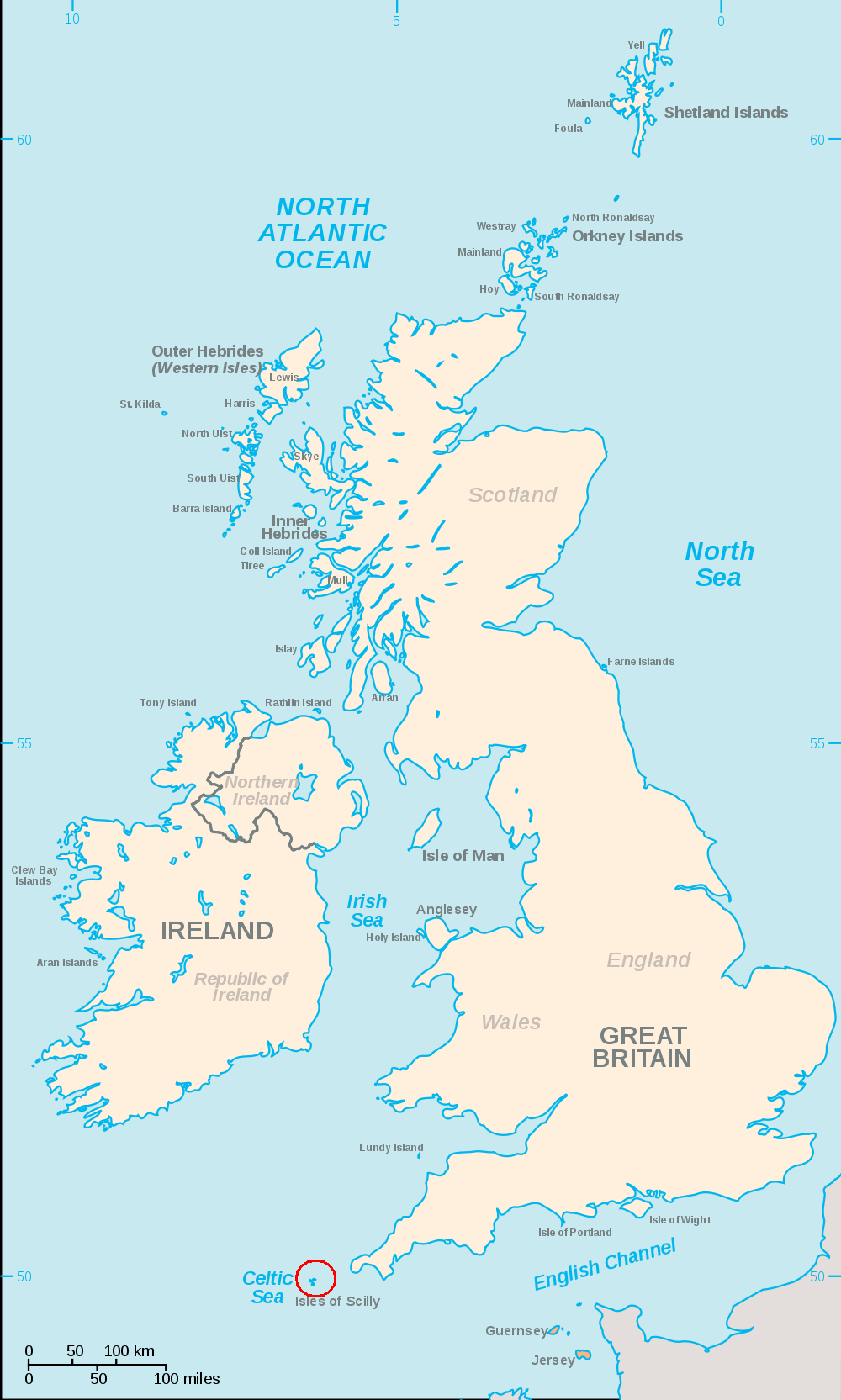
The Isles of Scilly are a small archipelago off the southwestern tip of the Cornish peninsula. Situated beyond the mainland of Great Britain, the group lies to the south-west of Cornwall and is often described simply as an archipelago of low-lying islands and rocks. Mild maritime weather, sandy beaches and clear waters distinguish the islands from much of the British mainland.
Image gallery
10 Images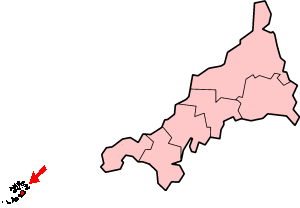




Geography and main islands
The archipelago comprises many islets clustered around a few larger islands. Only a handful are permanently inhabited and most of the land is devoted to small fields, heath, dunes and maritime grassland. The better-known inhabited islands include:
- St Mary's — the administrative and transport hub
- Tresco — noted for its subtropical gardens and privately owned estate
- St Martin's — known for sandy beaches and salt marshes
- St Agnes and Bryher — smaller communities with rugged coastline
History, shipwrecks and archaeology
The Isles of Scilly have a long human history with archaeological remains ranging from prehistoric field systems to historic settlements. Their position near shipping lanes has made the surrounding waters hazardous for centuries; there are hundreds of recorded wrecks around the rocks and shoals. The number of known shipwrecks is often cited in local accounts and maritime records.
Governance and services
Administratively the islands have been governed by their own local authority for many decades. A distinct unitary authority manages most local services while some functions remain coordinated with neighbouring Cornwall. Despite administrative separation the islands remain part of the ceremonial county of Cornwall for formal and historical purposes.
Economy, transport and visitors
The local economy depends largely on tourism, small-scale agriculture (including flower and bulb cultivation in some areas), fishing and services for residents and visitors. Access is by passenger ferry and small aircraft flights from the mainland; once on the islands, travel is typically by foot, bicycle or local vehicle. Visitor facilities are concentrated on the larger islands and seasonality strongly affects business activity.
Nature conservation and notable facts
The Isles of Scilly have significant wildlife interest with seabird colonies, rare plants and marine habitats. Large parts of the islands are protected for their natural beauty and ecological value; the archipelago is designated an Area of Outstanding Natural Beauty. Conservation efforts balance visitor access with protection of fragile habitats. The islands' combination of cultural heritage, maritime history and unusual wildlife makes them a notable part of the British coastal landscape.
Further reading: For maps, visitor information and official guidance consult local authorities and recognised travel resources before planning a visit.
Questions and answers
Q: Where are the Isles of Scilly located?
A: The Isles of Scilly are located off the southwestern tip of the Cornish peninsula of Great Britain.
Q: Since when have the Isles of Scilly had a unitary authority council?
A: The Isles of Scilly have had a unitary authority council since 1890.
Q: Are the Isles of Scilly part of the Cornwall unitary authority?
A: The Isles of Scilly are separate from the Cornwall unitary authority, but some services are combined with Cornwall.
Q: What is the ceremonial county of the Isles of Scilly?
A: The Isles of Scilly are still part of the ceremonial county of Cornwall.
Q: Why are the Isles of Scilly designated an 'Area of Outstanding Natural Beauty'?
A: The Isles of Scilly are designated an 'Area of Outstanding Natural Beauty' due to their beautiful and unique natural landscape.
Q: How many shipwrecks are known to be around the Isles of Scilly?
A: There are 530 known shipwrecks around the archipelago of the Isles of Scilly.
Q: Have the Isles of Scilly been dangerous for ships?
A: Yes, the Isles of Scilly have been dangerous for ships due to the presence of many rocks and reefs.
Related articles
Author
AlegsaOnline.com Isles of Scilly: geography, history, governance and natural heritage Leandro Alegsa
URL: https://en.alegsaonline.com/art/48447
Sources
- commons.wikimedia.org : Isles of Scilly
- cornwallinfocus.co.uk : "The Isles of Scilly - Shipwrecks and Valhalla"
- cornwallinfocus.co.uk : "Ancient sites on the Isles of Scilly"
- ccel.org : "Priscillianus and Priscillianism"