
Islington (district of London)
Islington is a district in north London within the London Borough of Islington. Known for Georgian terraces, lively high streets and cultural venues, it lies close to the City of London and has seen significant urban change.
Overview
Islington is an inner-city district in north London. The name commonly refers to the historic town centre and surrounding neighbourhoods rather than the entire administrative area. The district lies within the larger London Borough of Islington and sits a short distance north of the City of London, making it both residential and well connected to central business districts. For a map or travel guide see general London resources at Islington.
Image gallery
10 Images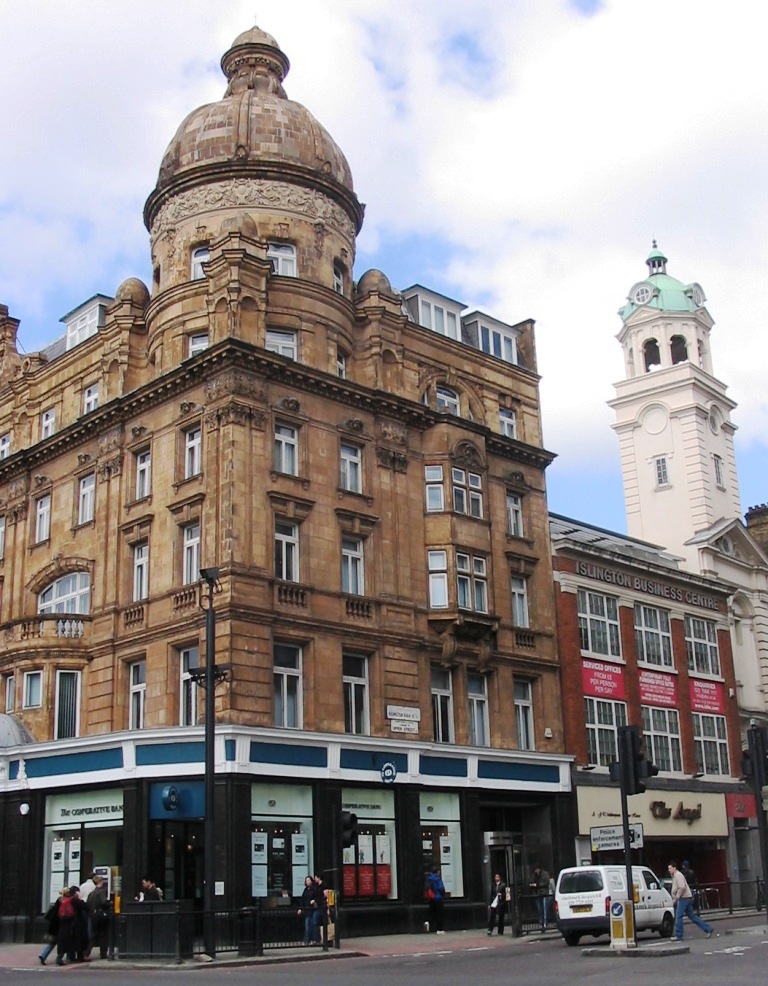




Character and built environment
Islington is known for a mix of architectural styles. Well-preserved Georgian and Victorian terraces coexist with later 20th-century developments. The area around Upper Street and the Angel has long been a focus for shops, cafés and restaurants, while quieter streets contain family homes and small communal greens. Conservation areas protect many historic façades.
History and development
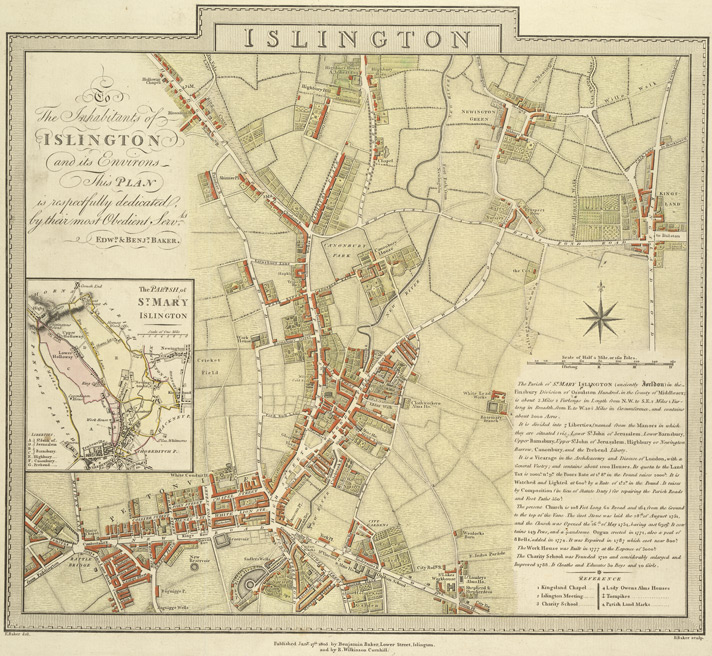
Historically a rural village on the outskirts of medieval London, Islington expanded rapidly during the 18th and 19th centuries as roads and railways linked it to the city. Industrial and residential growth transformed fields into dense streets, and later urban redevelopment and transport improvements further integrated Islington into the metropolis. In the 20th century, pockets of decline were followed by waves of regeneration and gentrification.
Culture, amenities and transport
The district hosts theatres, music venues and independent shops; notable venues and markets give Islington a lively cultural scene. Transport links include Underground and Overground stations plus many bus routes that provide fast access into central London and beyond. The proximity to the City makes the area popular with commuters.
Notable facts and distinctions
- Islington the district is only part of the larger administrative London Borough of Islington.
- Its closeness to the City of London has shaped housing demand and local commerce.
- The neighbourhood known as the Angel, and streets such as Upper Street and Exmouth Market, are often cited as cultural and retail hubs.
Importance and contemporary issues
Today Islington balances residential life, creative industries and commercial activity. Like many central districts it faces challenges such as rising housing costs and the need to preserve historic character while accommodating growth. Community organisations, councils and developers regularly negotiate how best to maintain amenities and diversity.
Related articles
Author
AlegsaOnline.com Islington (district of London) Leandro Alegsa
URL: https://en.alegsaonline.com/art/48453
Sources
- nomisweb.co.uk : 2011 Census