
Pothohar Plateau: geography, history, culture and archaeology
The Pothohar Plateau is a dissected upland in northern Punjab, Pakistan, known for its prehistoric Soan culture, varied topography, archaeological remains, and distinctive Pothohari dialect and rural economy.
Overview
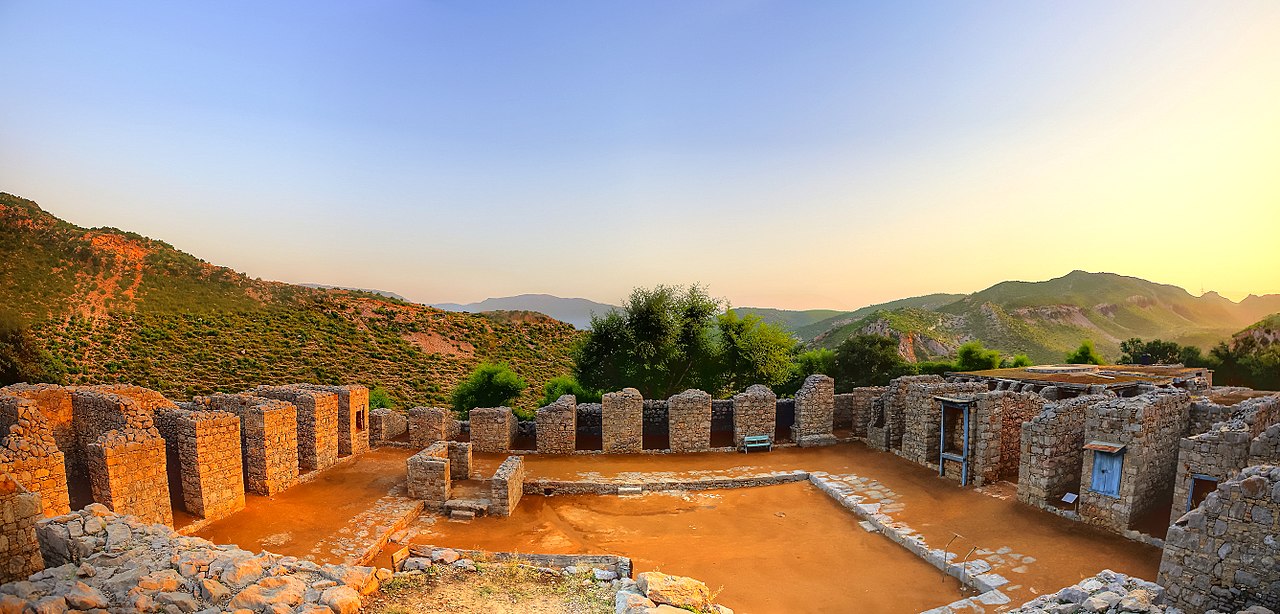
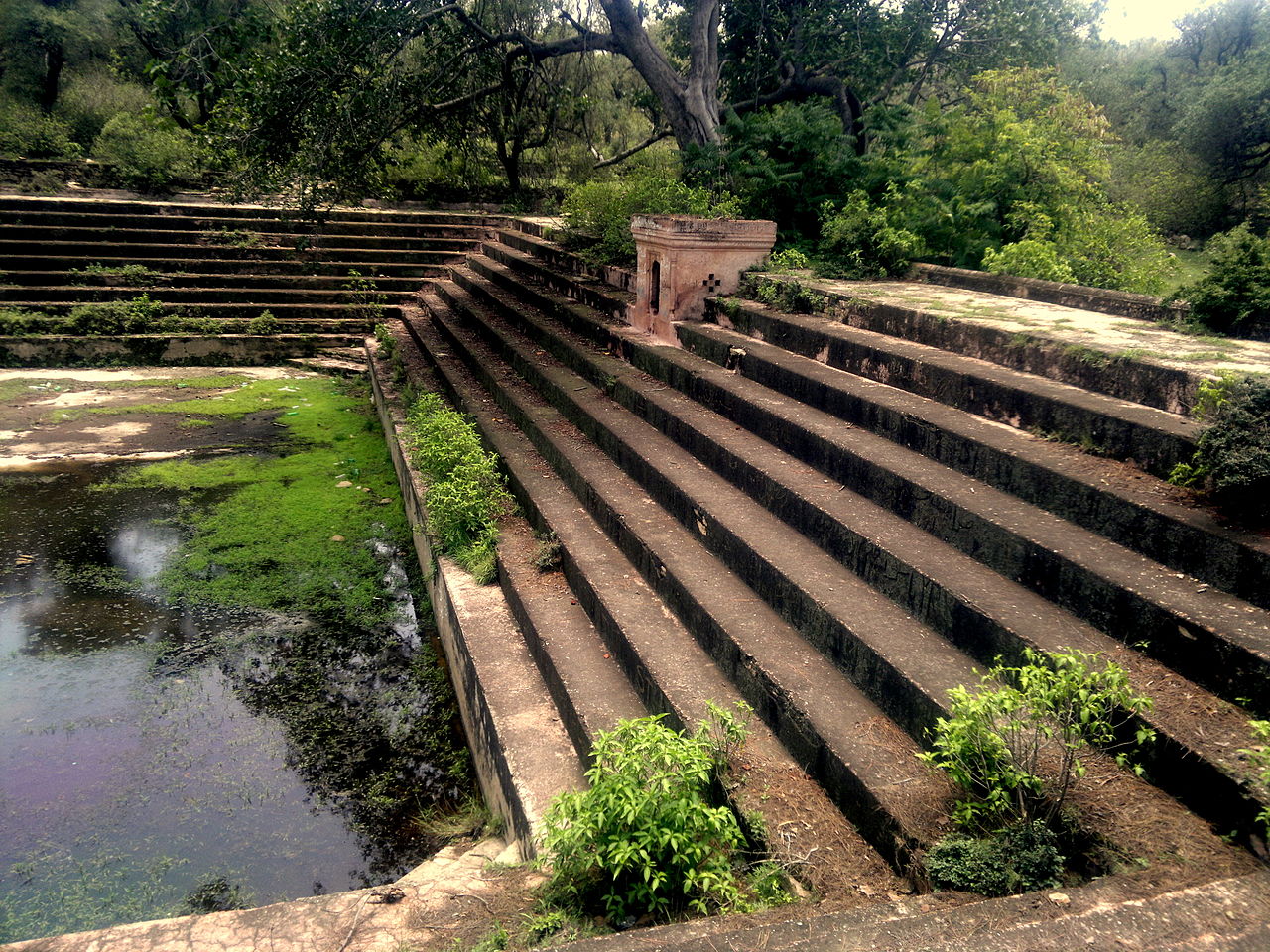
The Pothohar Plateau (also spelled Pothwar or Potohar) is a gently undulating upland in northern Punjab, Pakistan. It forms a transitional zone between the lowland plains and the mountains, with a mix of rocky ridges, river terraces and shallow soils. The region has long been recognised for its archaeological richness and distinct local culture.
Image gallery
10 Images



Geography and geology
The surface is dissected by seasonal streams and small rivers, including the Soan, which has cut terraces and deposited gravels that preserve ancient artefacts. Outcrops and erosional features expose older sediments and fossil beds. The plateau borders the western approaches to Azad Kashmir and adjoins parts of the south of Khyber Pakhtunkhwa, creating a varied boundary of hills and valleys.
Archaeology and deep history
Pothohar is the type area for the Soan Culture, a Stone Age industry documented in river terrace gravels. The plateau yields numerous fossil remains and Paleolithic implements: fossils, flaked tools and later surface finds such as coins and pottery. Many discrete archaeological sites attest to long-term human presence, from hunter‑gatherers to settled agrarian communities.
People, language and settlements
Urban centres and market towns, notably Rawalpindi and nearby districts, serve as administrative and commercial hubs for the plateau. Rural settlements practice mixed farming and pastoralism. The local speech variety—often called Pothohari (also Pahari, Mirpuri or Panjistani in some areas)—is a dialect of the greater Punjabi linguistic continuum with its own vocabulary and oral traditions.
Economy and land use
Traditional livelihoods combine smallholder agriculture, rainfed cereal cultivation, orchards and livestock grazing. Where soils are thin and stony the landscape supports scrub and grazing rather than intensive cropping. The plateau also contains mineral and sedimentary resources that have been exploited regionally since colonial surveys.
Notable facts and distinctions
- The Soan River valley is central to studies of South Asian Paleolithic sequences and is often cited in regional prehistory literature: Soan Culture studies.
- Pothohar's mix of hillocks, terraces and river deposits makes it distinct from the adjacent irrigated plains of Punjab and the higher mountain zones.
- Archaeological remains ranging from stone‑age flake tools to historic artefacts demonstrate long continuity of human presence and changing land use over millennia.
For further reading or regional overviews consult general references and local surveys that focus on geology, archaeology and ethnolinguistic studies of the plateau (regional geography, provincial and national resources).
Author
AlegsaOnline.com Pothohar Plateau: geography, history, culture and archaeology Leandro Alegsa
URL: https://en.alegsaonline.com/art/144392