
Isle of Arran
The largest island in the Firth of Clyde, Scotland. Known for dramatic geology, long human occupation, Norse and Gaelic history, diverse wildlife, and visitor attractions such as Brodick Castle and Machrie Moor.
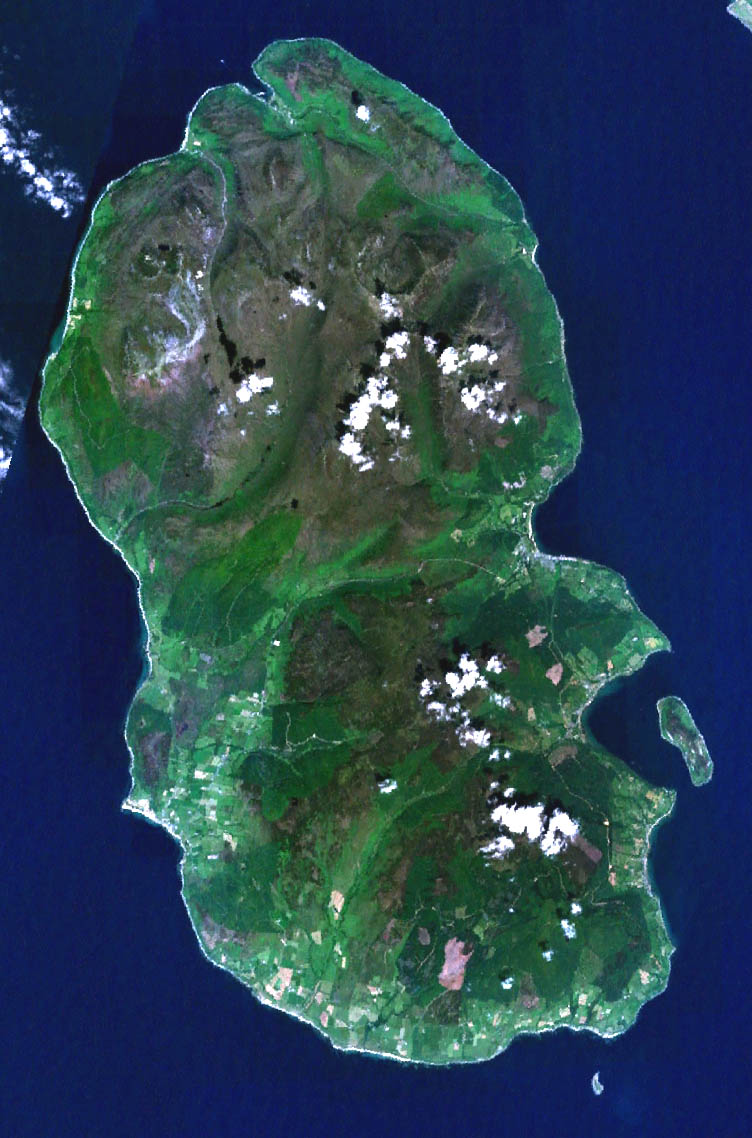
The Isle of Arran lies in the Firth of Clyde and is the largest island in that sea. Covering around 432 square kilometres, it ranks among Scotland's larger islands and supports a population of just over 5,000 residents. Often described as "Scotland in miniature," the island combines rugged high ground in the north with gentler farming country and sheltered bays to the south. Arran shares cultural and physical similarities with the Hebrides, and its mix of landscapes makes it a popular destination for walkers, naturalists and students.
Image gallery
10 Images



Geography and geology
Arran's terrain is varied: a central massif of steep ridges and crags gives way to lowlands and a patchwork of fields and woodlands. The most prominent summit, Goat Fell, dominates the northern skyline and offers extensive views. The island is widely regarded as a geologist's showcase for rock types, glacial landforms and coastal features, which is why many university groups visit. Field parties and guided excursions examine strata, igneous intrusions and evidence of past ice action; geology field trips are a common summertime activity.
History and archaeology
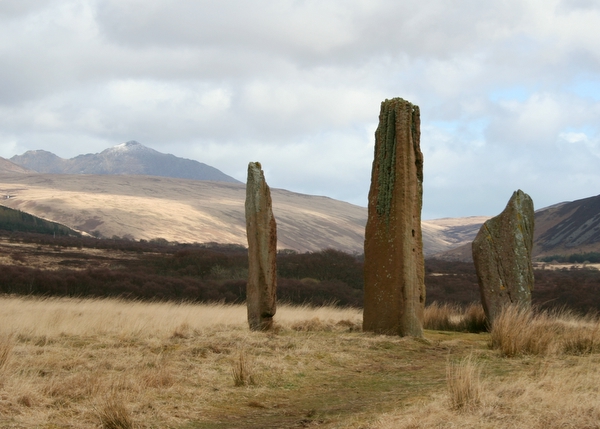
People have occupied Arran since at least the early Neolithic, leaving stone circles, burial cairns and hut sites that reflect long-term settlement. From the early medieval period the island had strong Gaelic cultural ties; in the 6th century settlers and missionaries from Ireland influenced religious life. During the Viking Age Arran experienced Norse influence and at times fell under the authority of the Norwegian crown before being brought into the Scottish realm in the later Middle Ages. The 19th-century clearances reshaped the population and economy and contributed to the decline of the Gaelic language on the island.
Culture, population and economy
Today Arran's communities live mainly in coastal villages, with Brodick and Lamlash among the largest. The island economy relies on a mix of tourism, local services, small-scale farming, forestry and craft industries. Visitor attractions, walking routes and wildlife watching bring a substantial seasonal income; students of biology and other subjects often travel to Arran for practical study. The island has worked to balance visitor demand with the needs of residents, and recent years have seen modest population recovery after earlier declines.
Wildlife, habitats and conservation
Arran supports a variety of habitats—heath, peatland, broadleaved woodland and coastal cliffs—each with its characteristic species. The island is home to notable birdlife, small mammals and diverse plant communities, including tree populations of particular local interest; some tree species are often described as endemic or unusually common on the island. Conservation groups and land managers operate projects to restore native woodland, protect fragile archaeological sites and maintain upland habitats for biodiversity.
Notable places and visitor information
Highlights for visitors include historic sites and scenic walks. Brodick Castle and its gardens are a major cultural attraction, while the Machrie Moor stone circles and other prehistoric remains offer a glimpse of Arran's ancient past. Outdoor recreation ranges from hillwalking and mountain biking to sea-kayaking and wildlife watching. Regular ferry services connect Arran to the mainland, and local facilities provide accommodation, guiding and interpretation. Research and educational visits remain common: geology field trips and biology students return year after year to study the island's natural laboratory.
- Historic links: Gaelic culture, Norse rule and later integration into Scotland
- Key sites: Brodick Castle, Machrie Moor stone circles, coastal viewpoints
- Access: regular ferries to the Clyde mainland and local transport
- Study opportunities: frequent visits by geology groups and biological researchers
Arran's combination of geological interest, archaeological richness and living rural communities makes it an island of both scientific importance and popular appeal. Visitors and residents alike value its landscapes, cultural heritage and the ongoing efforts to conserve habitats while supporting sustainable tourism and island life. For further background on regional island cultures see the Hebrides and for more on geological study opportunities visit resources for field research. Arran's long human story, from early Neolithic remains to modern tourism, is reflected in its places and practices, as well as in the island's continuing appeal to students of nature and history.
Questions and answers
Q: Where is Arran located?
A: Arran is located in the Firth of Clyde in Scotland.
Q: How large is Arran?
A: Arran has an area of 432 square kilometres (167 sq mi), making it the seventh largest Scottish island.
Q: How many people live on Arran?
A: Just over 5,000 people live on Arran.
Q: What kind of island is Arran?
A: Arran is a mountainous island that has been described as a "geologist's paradise".
Q: How long have people lived on Arran?
A: People have lived on Arran since the early Neolithic period.
Q: What is the main industry on Arran?
A: The main industry on Arran is tourism.
Q: What kind of wildlife can be found on Arran?
A: Arran has a diversity of wildlife, including three species of tree that are endemic to the area.
Related articles
Author
AlegsaOnline.com Isle of Arran Leandro Alegsa
URL: https://en.alegsaonline.com/art/48436
Sources
- webarchive.nationalarchives.gov.uk : Occasional Paper No 10: Statistics for Inhabited Islands
- tandfonline.com : tandfonline.com/doi/abs/10.5408/1089-9995-51.5.500
- waymarking.com : "Hutton's Unconformity - Lochranza, Isle of Arran, UK - Places of geologic significance on Waymarking.com"
- virtual-geology.info : "Geology of Arran"