
Islam in Pakistan: history, demographics, and societal role
An overview of Islam's place in Pakistan: demographics, major sects, historical development, constitutional role, cultural influence, and contemporary significance.
Overview
Islam is the dominant religion in the country commonly known as the Islamic Republic of Pakistan. The vast majority of Pakistan's residents identify as Muslim; estimates from recent censuses and surveys place that share near the high nineties percent. That concentration of Muslims makes Pakistan one of the world’s largest Muslim-majority states, alongside countries such as Indonesia.
Image gallery
10 Images


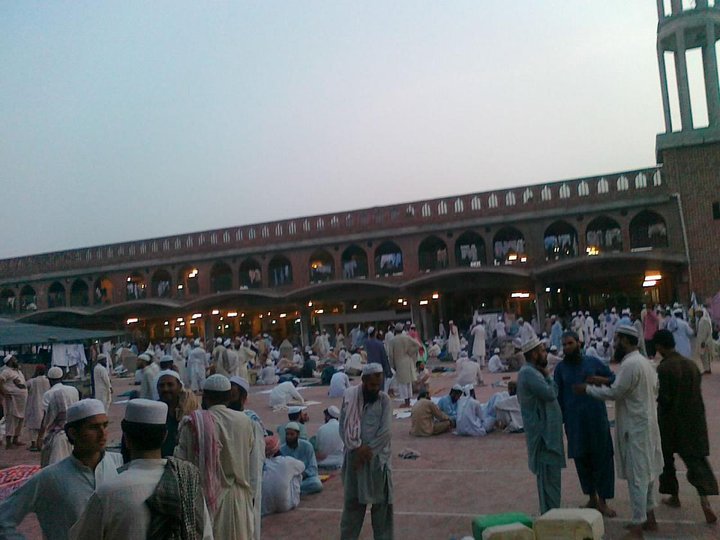


Demographics and sects
Muslims in Pakistan encompass a range of traditions and schools of thought. The two principal branches — Sunni and Shia — together account for almost all self-identified Muslims. Within Sunni Islam, several juridical schools and popular movements coexist, while Shia communities include Twelver and other Shia groups. Other minority Muslim sects and movements are also present and contribute to the country’s religious diversity.
Historical development
The role of Islam in the region predates the modern state: Muslim rule and Islamic cultural influences have a long history on the subcontinent. The idea of a separate Muslim-majority polity emerged in the 19th and 20th centuries and became a central element of the movement that led to Pakistan’s founding in 1947. Over subsequent decades, political changes and legal reforms shaped how religion was incorporated into public life and state institutions.
Constitutional and political role
Pakistan’s constitution and legal framework reflect an ongoing negotiation between Islamic principles and secular governance models. Several constitutional provisions, courts, and laws address matters of personal status, religion, and public morality. Scholars and commentators sometimes describe Pakistan as an important center of political Islam because religious identity and institutions often intersect with party politics and civil society.
Society, culture, and influence
Islam shapes many aspects of everyday life in Pakistan, from religious festivals and rituals to family law and education. Islamic scholarship, Sufi traditions, mosque networks, and religious media contribute to plural religious expression. At the same time, debates over sectarian relations, legal reform, and the rights of religious minorities remain part of public discourse.
Notable distinctions and context
- Pakistan is home to one of the world’s largest Muslim populations and supports a wide range of Islamic thought and practice.
- Its Shia community is among the larger Shia populations globally, comparable in regional significance to those in countries such as Iran.
- Religious identity has long influenced Pakistani nationalism, shaping narratives about the state’s origins and purpose.
The interplay between religion, law, and society in Pakistan continues to evolve, influenced by domestic politics, regional dynamics, and global trends. For further reading and primary resources, consult institutional and academic materials linked through national archives and scholarly repositories.
Islam studies and contemporary analyses remain active fields in Pakistan, engaging historians, theologians, and social scientists in ongoing discussion.
Related articles
Author
AlegsaOnline.com Islam in Pakistan: history, demographics, and societal role Leandro Alegsa
URL: https://en.alegsaonline.com/art/48385
Sources
- cia.gov : cia.gov/library/publications/the-world-factbook/geos/pk.html
- prb.org : 2008 World Population Data Sheet