
Irvington, New York (Irvington-on-Hudson)
Irvington-on-Hudson is a historic village on the east bank of the Hudson River in Greenburgh, Westchester County, about 20 miles north of Manhattan. It is noted for its architecture, parks and commuter rail service.
Overview
Irvington is a small suburban village on the east bank of the Hudson River in the town of Greenburgh, Westchester County, in New York state. Often called Irvington-on-Hudson, the village lies roughly 20 miles north of midtown Manhattan and forms part of the greater New York City commuter region. Irvington combines residential neighborhoods, a compact commercial strip, public parks and a number of historically significant buildings. At the 2010 census the village recorded a population of 6,420.
Image gallery
10 Images
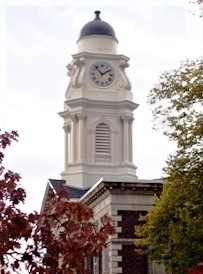


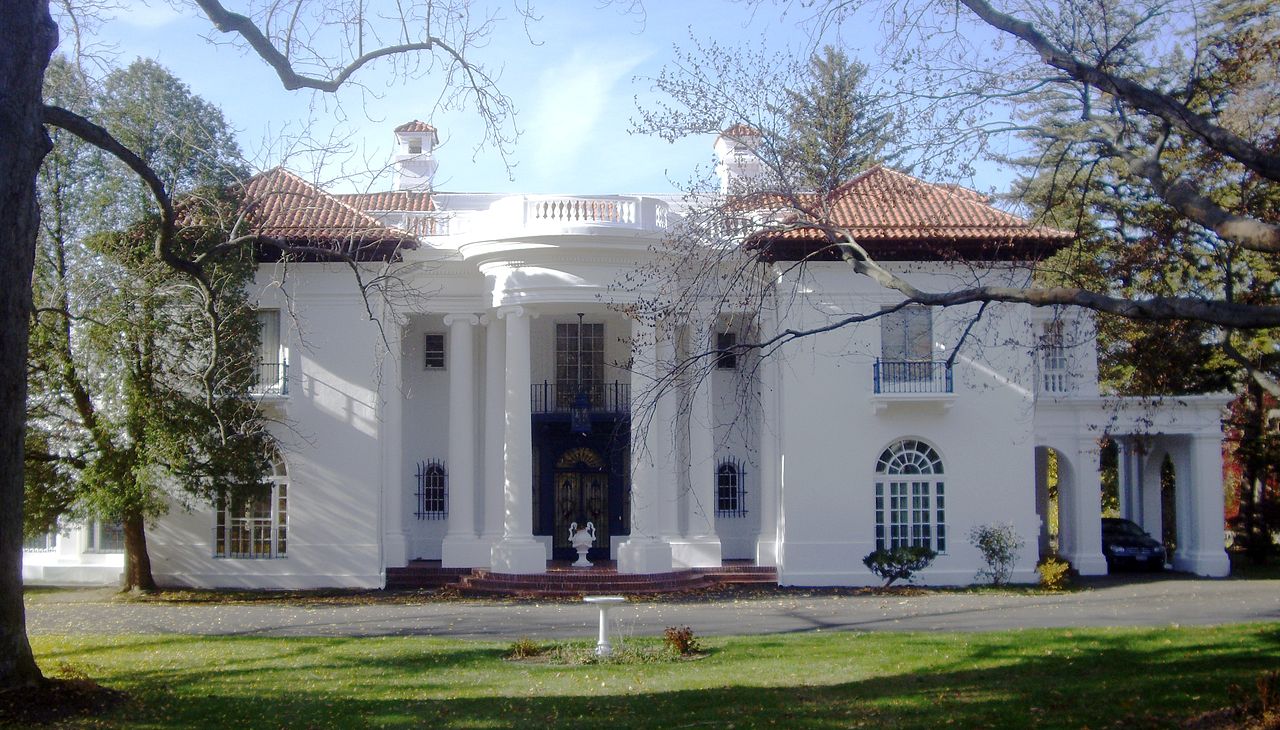


Geography and transportation
Irvington occupies riverfront land along the Hudson River and rises into wooded hills to the east. It borders the village of Tarrytown to the north and the village of Dobbs Ferry to the south; to the east lie unincorporated portions of Greenburgh, including residential areas such as East Irvington. Within Irvington’s municipal boundaries is the community known as Ardsley-on-Hudson, which has its own ZIP code and a separate Metro-North station but should not be confused with the nearby incorporated village of Ardsley.
Commuter rail service is provided by the Metro-North Railroad’s Hudson Line, with a station serving the village that connects residents to Manhattan and regional destinations. The village’s riverside location and proximity to major highways make it a common choice for people who work in the city but prefer a smaller, suburban community.
History and development
Irvington grew during the 19th century as part of suburban expansion along the Hudson River. The village attracted affluent residents who built estates and picturesque homes, many in architectural styles popular during the Victorian and early 20th-century periods. Over time a civic center emerged near the rail station, including municipal buildings, shops and cultural institutions. Preservation of historic homes and districts has been an active element of local planning.
Community, landmarks and culture
Irvington’s downtown contains independent shops, restaurants and services clustered near the train station. Parks along the river and wooded preserves to the east provide recreational opportunities, and community organizations support arts, education and historic preservation. Notable local landmarks include historic residences, municipal buildings, and green spaces that reflect the village’s long residential and cultural history.
Distinctive features and practical notes
- Irvington’s riverside character and nineteenth-century architecture distinguish it from suburban tracts developed later.
- The village is administratively part of the town of Greenburgh and geographically sits within Westchester County.
- Residents and visitors use the Metro-North Hudson Line for direct commuter access; Ardsley-on-Hudson has its own station and postal code but is not the same as the village of Ardsley.
For more information about municipal services, historic districts or local events, consult local government and historical society resources or regional planning materials available through county and state portals. Additional context about the village’s role in the Hudson River corridor and suburban development is available from transportation and preservation organizations and from regional guides to Westchester communities.
Irvington | Greenburgh | Hudson River | Manhattan | New York City | Dobbs Ferry | Ardsley-on-Hudson ZIP | Westchester County | New York State | Town government
Related articles
Author
AlegsaOnline.com Irvington, New York (Irvington-on-Hudson) Leandro Alegsa
URL: https://en.alegsaonline.com/art/48291
Sources
- wsj.com : "Westchester's Irvington Stays on Tracks"
- phyllislerner.point2agent.com : "Irvington New York 10533 Community Profile"
- prezi.com : "Irvington: A town of history and affluence"
- factfinder2.census.gov : "Profile of General Population and Housing Characteristics: 2010 Demographic Profile Data (DP-1): Irvington village, New York" · web.archive.org