
Iron(III) chloride (ferric chloride)
Iron(III) chloride (FeCl3), known as ferric chloride, is a Lewis-acid inorganic salt used in water treatment, metal etching and organic synthesis; this article summarizes its properties, production, uses, and safety.
Overview
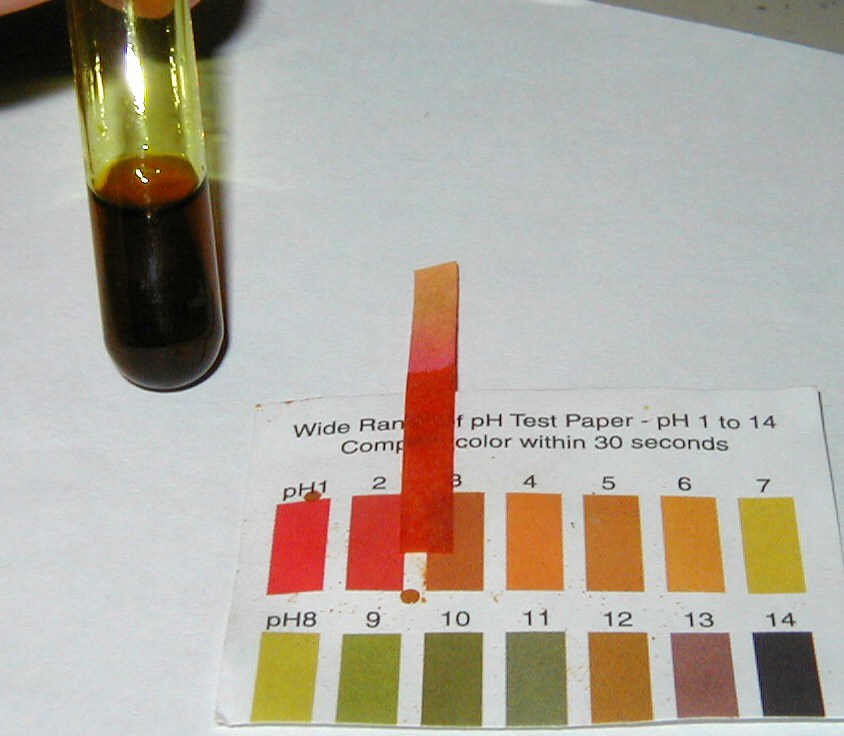
Iron(III) chloride, commonly called ferric chloride and written FeCl3, is an inorganic salt composed of iron and chloride. It is typically encountered as a dark brown to yellow crystalline solid that readily absorbs moisture and dissolves in water to give acidic, colored solutions. The iron center is in the +3 oxidation state and the compound behaves as a strong Lewis acid in many reactions. For more on the constituent elements see iron and chloride.
Image gallery
8 Images



Properties and structure
FeCl3 is hygroscopic and can form hydrated salts in the presence of water; both anhydrous and hydrated forms are commercially available. In solution it hydrolyzes to produce acidic mixtures and can generate iron oxyhydroxides under certain conditions. The material's ability to accept electron pairs underlies its role as a Lewis acid in catalysis and organic transformations. For discussion of its ionic components see ions and the oxidation state of iron.
Production and history
Historically and industrially, iron(III) chloride is made by direct chlorination of iron or by chlorination of ferrous chloride; these processes yield the anhydrous salt. Other laboratory routes include oxidation of iron(II) salts in the presence of chloride. The compound has long been used in analytical and industrial contexts because of its reactivity and relative ease of preparation.
Uses and applications
FeCl3 has a range of important applications:
- Water and wastewater treatment: used as a coagulant to remove suspended solids and phosphates by forming flocs that settle out of solution.
- Electronics and metalworking: common etchant for copper during printed circuit board (PCB) manufacture.
- Catalysis in organic chemistry: employed as a Lewis acid catalyst in reactions such as Friedel–Crafts acylations, polymerizations, and oxidations.
- Industrial processing: used in dye manufacture, as a reagent in laboratories, and in certain metallurgical operations.
Safety and environmental considerations
Ferric chloride is corrosive and can irritate skin and eyes. It reacts with moisture to release acidic vapors and can corrode metals and concrete. Solutions and residues require proper neutralization and disposal according to regulations because they can be harmful to aquatic life. Standard precautions—gloves, goggles, ventilation and appropriate storage—are recommended when handling FeCl3.
Notable facts
Because of its combination of acidity and oxidizing character, FeCl3 plays roles across water treatment, electronics fabrication and synthetic chemistry. Its widespread use as a coagulant and etchant makes it a familiar industrial chemical, while its Lewis acidity secures a continual place in organic synthesis and catalyst development.
Related articles
Author
AlegsaOnline.com Iron(III) chloride (ferric chloride) Leandro Alegsa
URL: https://en.alegsaonline.com/art/48238