
Iron(III) sulfate (ferric sulfate): properties, uses, and safety
Overview of iron(III) sulfate (Fe2(SO4)3), its composition, properties, common uses in water treatment and industry, preparation, and safety considerations.
Iron(III) sulfate, commonly called ferric sulfate, is an inorganic salt whose most common formula is Fe2(SO4)3. It contains iron in the +3 oxidation state and sulfate anions. For basic terminology and alternative names see ferric sulfate and for the iron ion itself see iron(III). The designation of iron as +3 can be reviewed at oxidation state +3 while the sulfate group is discussed at sulfate.
Image gallery
2 Images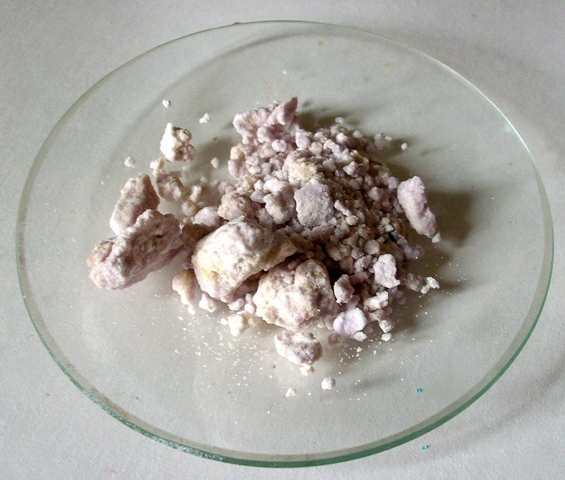

Physical and chemical characteristics
Solid samples are typically yellow-brown to dark brown crystalline or powdered materials that are hygroscopic and dissolve in water to give acidic, colored solutions. In aqueous media ferric sulfate hydrolyzes to form iron(III) hydroxides and acidic sulfate solutions; it may also oxidize other species and act as a mild oxidizing agent. Hydrated forms exist in which water molecules are coordinated to the iron and the salt.
Preparation and historical context
Ferric sulfate is prepared industrially by oxidizing ferrous sulfate or by dissolving iron in sulfuric acid with subsequent oxidation. Historically, salts of iron and sulfuric acid have been known since early chemical industry and were used in dyeing and as mordants before modern coagulants and reagents were developed.
Major uses and examples
- Water and wastewater treatment: used as a coagulant and flocculant to remove suspended solids and phosphorus.
- Textiles and leather: employed as a mordant to fix dyes and in some tanning processes.
- Laboratory and industrial chemistry: used as a reagent or intermediate in producing other iron compounds and pigments.
- Metal treatment: applied in some surface treatments and etching processes where controlled oxidation is required.
Safety, handling and notable distinctions
Ferric sulfate is corrosive to skin and eyes, can cause irritation or burns, and should be handled with appropriate protective equipment. It is chemically distinct from ferrous sulfate (Fe2+), which is typically greenish-blue and less strongly oxidizing. Environmental precautions are important because releases can lower pH and affect aquatic life; residues stain surfaces and may require neutralization.
As with many inorganic salts, storage in dry, labeled containers and avoidance of contamination with organic materials or strong reducing agents are prudent. For detailed regulatory and handling guidance consult material safety resources and local regulations.
Related articles
Author
AlegsaOnline.com Iron(III) sulfate (ferric sulfate): properties, uses, and safety Leandro Alegsa
URL: https://en.alegsaonline.com/art/48241