
Iran hostage crisis (1979–1981)
A diplomatic standoff in which 52 Americans were held in the U.S. Embassy in Tehran for 444 days after the 1979 Iranian Revolution, with long‑lasting effects on U.S.–Iran relations and U.S. politics.
Overview
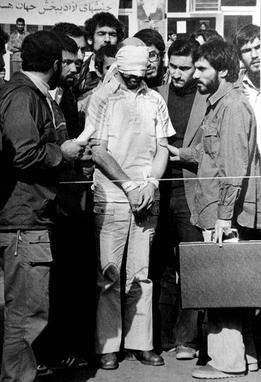
The Iran hostage crisis was a prolonged diplomatic confrontation in which 52 American diplomats and citizens were held captive in Tehran from November 4, 1979, until January 20, 1981. The seizure of the U.S. diplomatic mission followed the 1979 upheaval in Iran and created a major rupture with the United States. The episode dominated news coverage, shaped public opinion in both countries, and influenced subsequent policy toward Tehran.
Image gallery
10 Images





Background and causes
The hostages were taken in the volatile aftermath of the Iranian Revolution, which overthrew the monarchy and brought a revolutionary leadership to power. Demonstrators were outraged by the United States' historic support for the Shah and by the Shah himself being admitted to the United States for medical treatment. The U.S. Embassy in Tehran was seen by many Iranians as a symbol of that earlier influence, and a group of radicalized students and activists forced their way into the compound and detained embassy staff.
Course of the crisis
Once the embassy was occupied the captors demanded the return of the Shah to stand trial and other concessions. The U.S. government, led by President Jimmy Carter, condemned the seizure and described it as an act of aggression and unlawful detention. Washington imposed economic sanctions, froze Iranian assets, and pursued diplomatic channels while repeatedly rejecting what it called attempts at coercion and blackmail. Public appeals, shuttle diplomacy, and multilateral pressure were combined with covert preparations for a military rescue.
Attempts at resolution and rescue
Diplomatic negotiations proceeded unevenly while a U.S. military rescue attempt ended in failure when an operation suffered a catastrophic equipment and planning breakdown; several American servicemen died in the accident. The failed mission underscored the difficulty of a purely military solution and intensified calls for a negotiated settlement.
Release and legal settlement
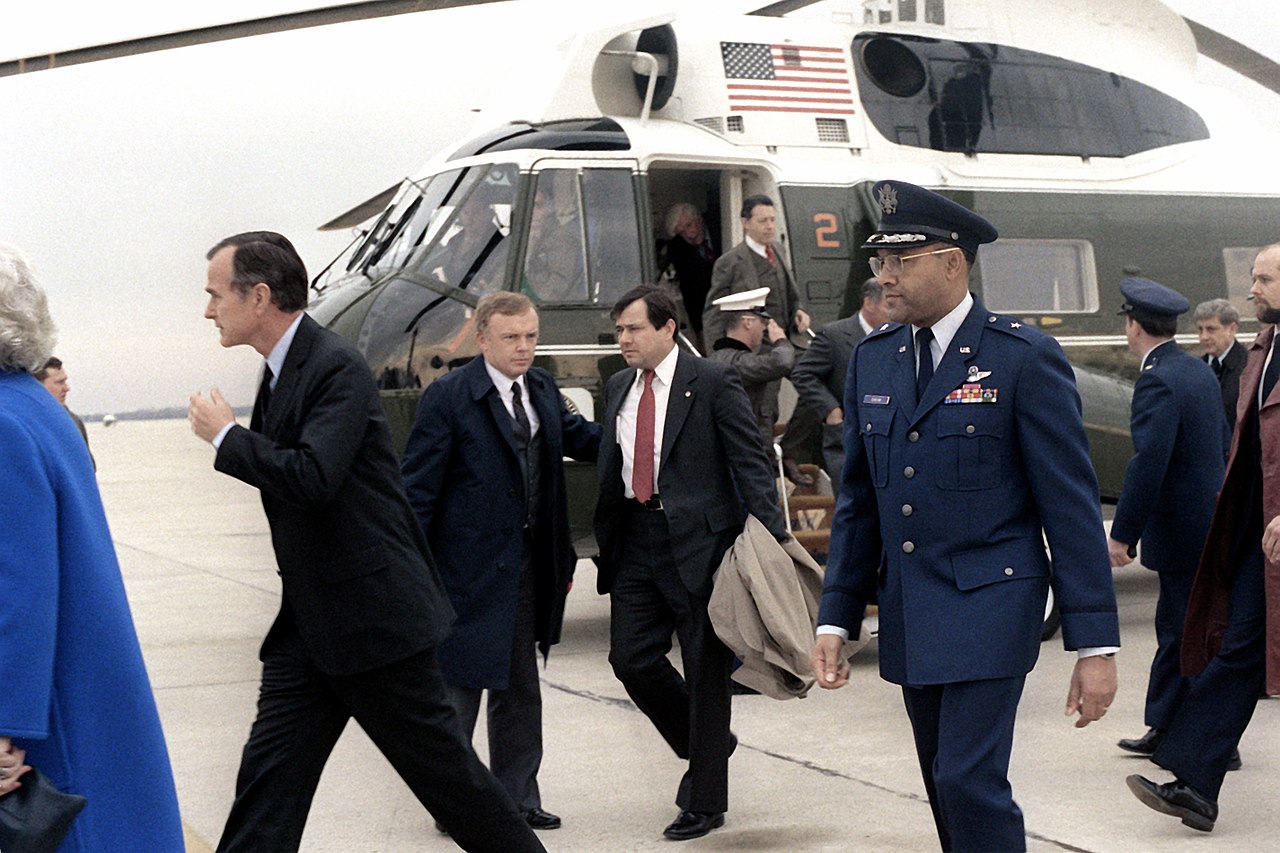
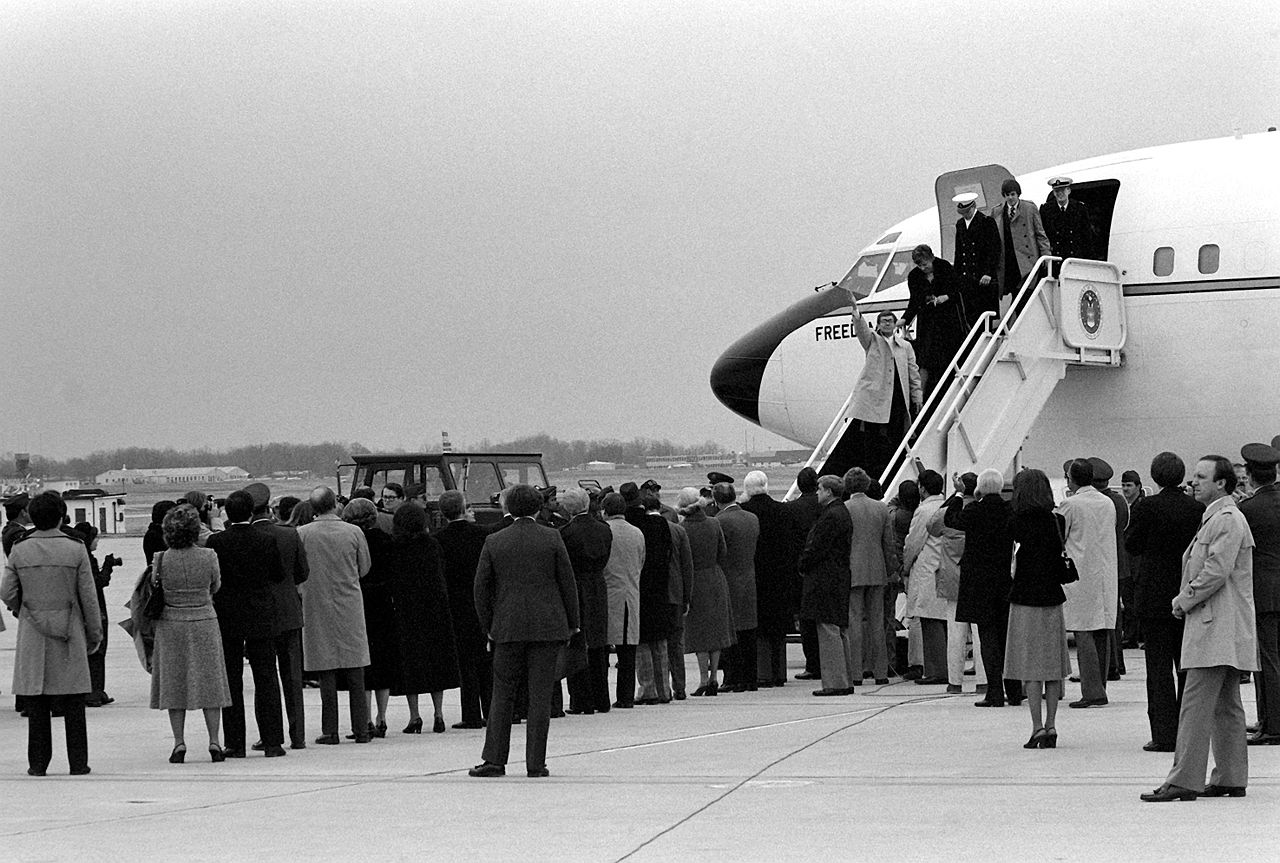
After lengthy mediation by third parties, notably Algerian intermediaries, negotiators secured terms under which the hostages would be freed. The arrangement, formalized in documents often referred to as the Algiers Accords, included guarantees on frozen Iranian assets and other legal undertakings. The 52 Americans were released on January 20, 1981, the day the U.S. presidential transition was completed and Ronald Reagan was inaugurated. The accords and the transfers involved are part of the official record of how the crisis ended and remain central in studies of the episode.
Key facts and consequences
- The hostage period lasted 444 days and involved 52 Americans held at the embassy complex in Tehran.
- The crisis intensified anti‑American sentiment in Iran and led to the severing of diplomatic relations between the two states; Switzerland subsequently served as protecting power for U.S. interests.
- U.S. attempts to use force failed and a diplomatic settlement was reached through third‑party mediation and legal agreements, including the Algiers Accords.
- The event had a major political impact in the United States, contributing to perceptions of presidential effectiveness and helping shape foreign policy debates for decades.
Legacy and notable points
The crisis left a lasting imprint on U.S.–Iran relations, which remain strained. It influenced U.S. policies on hostage situations, the protection of diplomatic personnel, and the use of sanctions as a tool of statecraft. The episode has been widely examined in histories, memoirs, films and journalism, and it continues to be cited when discussing diplomatic immunity, international law, and the risks of embassy vulnerability. For further primary documents and analyses see contemporary news reports and official records, as well as scholarly treatments that trace the crisis' origins, conduct, and long‑term consequences.
For additional contextual reading and source material, consult diplomatic histories and archival collections that cover U.S.–Iran relations, the 1979 revolution, and the legal instruments used to resolve the hostage situation. Relevant resources include primary documents and retrospective analyses by governments, academic institutions, and journalism outlets.
Related topics: rescue operations and military planning, embassy security, and diplomatic mediation efforts. See also discussions of the crisis' role in shaping American electoral politics and foreign‑policy doctrine.
Additional references and external links: Iran overview, United States diplomatic history, and archival collections on the 1979 revolution and subsequent bilateral relations.
Related articles
Author
AlegsaOnline.com Iran hostage crisis (1979–1981) Leandro Alegsa
URL: https://en.alegsaonline.com/art/48103
Sources
- historyguy.com : Iran–U.S. Hostage Crisis (1979–1981)