
Ion Luca Caragiale: Romanian playwright, satirist, and theatre figure
Biography and significance of Ion Luca Caragiale (1852–1912), Romania's leading playwright and satirist: life, major works, themes, theatrical and journalistic activity, and continuing influence.
Overview
Ion Luca Caragiale (1 February 1852 – 9 June 1912) was a Romanian writer celebrated for sharp social satire, incisive comedy and his influence on modern Romanian theatre. Born in Haimanale, in what is today Romania, he became best known for plays and short prose that portray public life, political hypocrisy and everyday characters with economy and wit. Late in life he spent time in Berlin and died there; his work is a cornerstone of Romanian cultural history and is widely studied in Romanian schools and theatre companies across Germany and Europe.
Image gallery
10 Images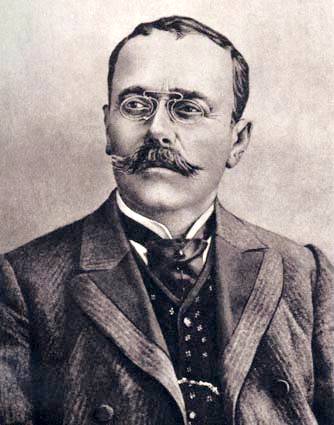

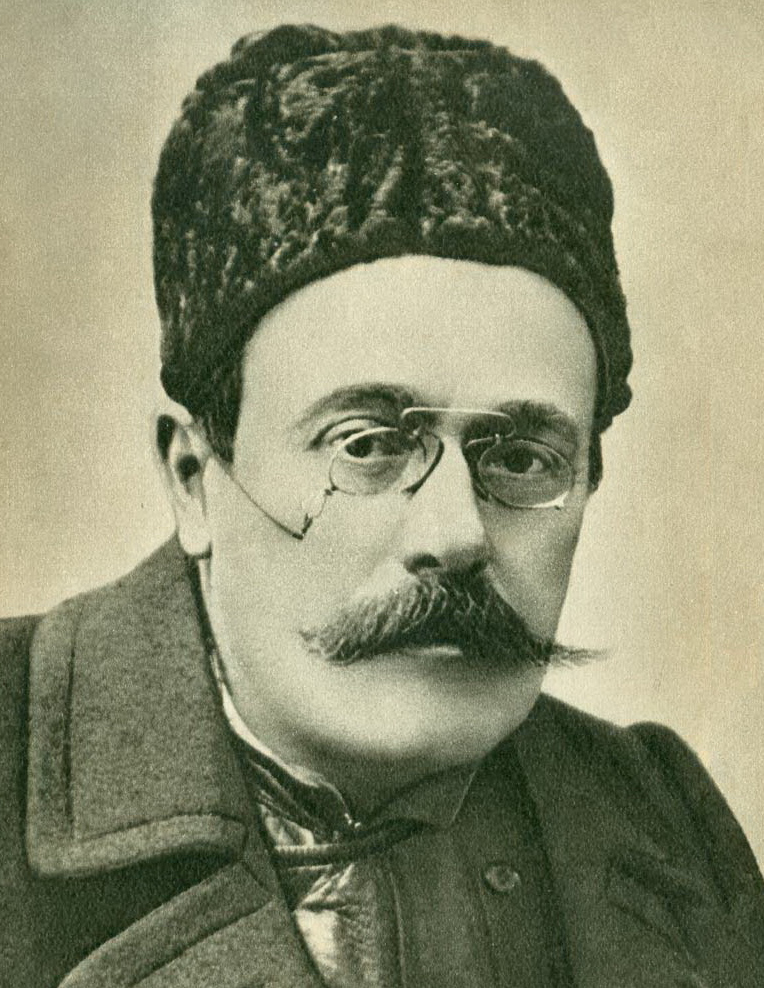


Career and roles
Caragiale combined several professional identities: novelist and short story writer, playwright, theatre director, journalist and poet. He contributed to newspapers and journals of his day, using theatrical sketches and feuilletons to comment on politics and social mores. His writing is associated with realism and satirical traditions that expose pretension and corruption without descending into mere caricature.
Major works and themes
- Plays exploring political farce and civic life, often staged repeatedly in Romania.
- Short sketches and stories that capture urban speech, small-town types and bureaucratic absurdity.
- Essays and journalistic pieces that defended literary standards while criticizing public life.
Typical themes in his output include the incompetence of politicians, the vanity of social climbers, the gap between public rhetoric and private behavior, and the comic potential of everyday misunderstandings. His dialogue is noted for rhythmic, idiomatic speech that lends itself to stage performance.
Historical context and influence
Working at the turn of the 20th century, Caragiale wrote during a period of rapid social and political change in the Romanian lands. He relied on contemporary settings rather than historical allegory, which made his critiques immediate and often controversial. His plays shaped Romanian dramatic practice and influenced later dramatists and satirists.
Legacy and distinctions
Caragiale occupies a central place in Romanian letters and theatre. His works are performed frequently and remain a subject of scholarly study for their language, comic structure and moral insight. Editions, translations and stage adaptations sustain his presence beyond national boundaries; readers and audiences engage with his portraits of human foibles in a way that preserves both entertainment value and critical force. He remains one of Romania's most quoted and staged writers, representing an intersection of literary craft, theatrical skill and civic observation.
For further reference see national bibliographies and theatrical histories that discuss his life in Romania and his long-term cultural impact. Additional resources on stage productions and critical editions are available through curated archives and studies on dramatic literature and specialized journals on poetry and literary criticism. Contemporary treatments often revisit his journalism and theatre activity to illuminate public discourse; biographical notes and document collections can be consulted via library catalogues and academic portals maintaining historical records.
Related articles
Author
AlegsaOnline.com Ion Luca Caragiale: Romanian playwright, satirist, and theatre figure Leandro Alegsa
URL: https://en.alegsaonline.com/art/47974