
Ira Einhorn — the 'Unicorn Killer' and the Holly Maddux case
Ira Einhorn (1940–2020), known as the 'Unicorn Killer', was convicted in the murder of Holly Maddux, fled to Europe, was extradited after long litigation, imprisoned in Pennsylvania and died in custody.
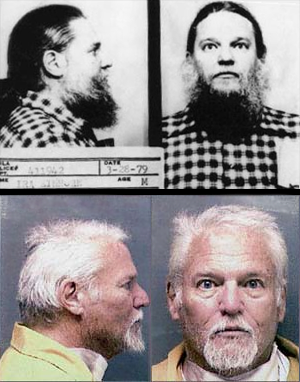
Overview
Ira Samuel Einhorn (May 15, 1940 – April 3, 2020), widely called the "Unicorn Killer," is best known for his conviction in the death of his former partner, Holly Maddux. The case combined violent crime, a prolonged international flight, unusual defense claims and lengthy legal proceedings that attracted sustained media attention. Einhorn's life, arrest, extradition and incarceration have been described in a number of books and articles examining crime, law and popular culture.
Image gallery
1 Image
Crime and investigation
Maddux disappeared after visiting the Philadelphia apartment she had shared with Einhorn. Months later, police discovered her partially mummified remains in a trunk stored in a closet in the apartment. Investigators tied the trunk to Einhorn and developed a case that led to his arrest. During and after his arrest Einhorn made extraordinary public statements, including an allegation that intelligence agents had framed him; he linked his defense to purported secret military research, a claim that was repeatedly rejected by prosecutors and courts.
Flight, extradition and legal battle
Shortly after charges were filed, Einhorn left the United States and spent many years living in Europe. His presence abroad triggered protracted legal conflicts between U.S. authorities seeking extradition and European courts reviewing his claims and the conditions under which he might be returned. Advocates for both sides invoked concerns about fair trial rights, sentencing and the proper procedures for international transfer of suspects. Ultimately, European authorities approved extradition and Einhorn was returned to face trial in the United States.
Trial, conviction and imprisonment
After his return Einhorn was tried and convicted of murder. He received a life sentence and served that sentence in a Pennsylvania correctional facility. Throughout post-extradition proceedings and during incarceration he remained a controversial figure, at times seeking new hearings or filing legal challenges. Prison records and public reports indicate he was imprisoned until his death, which was attributed to heart-related illness.
Timeline and notable aspects
- Birth and early life: born in Philadelphia, Philadelphia, Pennsylvania.
- Disappearance of Holly Maddux and discovery of remains: case evidence recorded by investigators and press accounts; see case evidence.
- Flight to Europe and residence abroad: covered by international news outlets and legal filings; see Europe.
- Extradition and return to the United States: formal proceedings and handover; see extradition.
- Unusual defense claims invoking intelligence agencies: allegations of CIA involvement were publicly asserted by Einhorn; see CIA claims.
- Sentence and incarceration: convicted and given a life term; see life sentence.
- Death in custody: reported cause cited as heart disease; see cause of death.
Legacy and public interest
The Einhorn case remains notable for its mixture of violent crime, the countercultural background of some participants, sensational defense assertions and the international legal process it prompted. It raised questions about how extradition and custody law intersect with media scrutiny, and how dramatic personal claims affect public perception of criminal cases. The nickname "Unicorn Killer"—a media epithet tied to his surname—has been used frequently in summaries of the affair, and the case continues to appear in discussions of criminal justice and high-profile homicide investigations.
For further reading or primary-source materials consult legal archives and published reporting on the case and its extradition history; see contemporary accounts and scholarly commentary for a fuller analysis of procedural and social implications.
Related articles
Author
AlegsaOnline.com Ira Einhorn — the 'Unicorn Killer' and the Holly Maddux case Leandro Alegsa
URL: https://en.alegsaonline.com/art/48081
Sources
- nbcnews.com : "Earth Day co-founder killed, composted girlfriend"
- 6abc.com : ""Unicorn Killer" Ira Einhorn Dies in Prison"